How to Choose the Right Travertine Ceiling Light for Your Room
Choose a travertine ceiling light by checking six things in order: the room's main activity, the fixture's diameter and depth, the amount and colour of light, the ceiling and wiring, the natural variation of the stone, and the cleaning routine. Style matters, but these practical checks determine whether the light will work after installation.
Step 1 Check what the room needs from the light

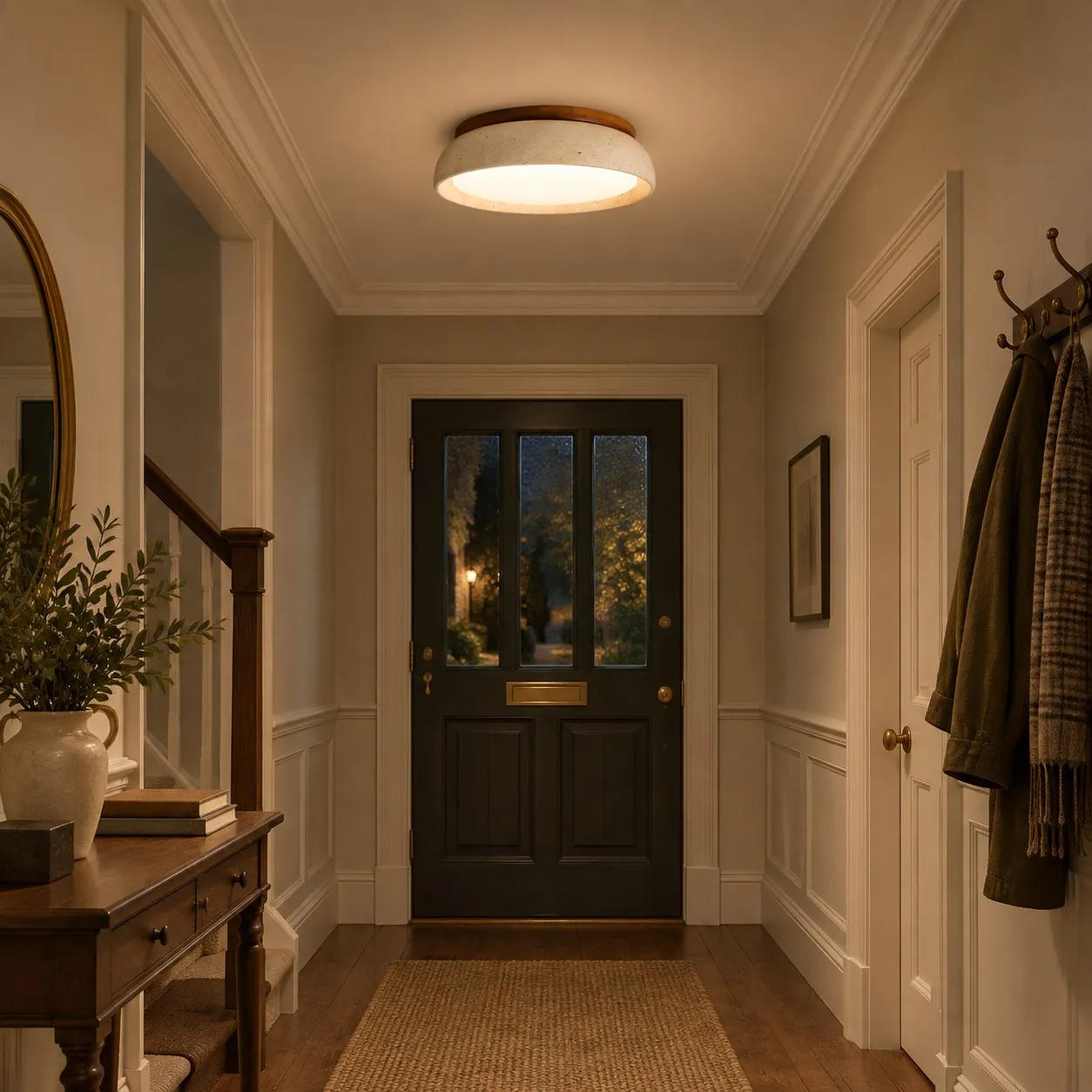
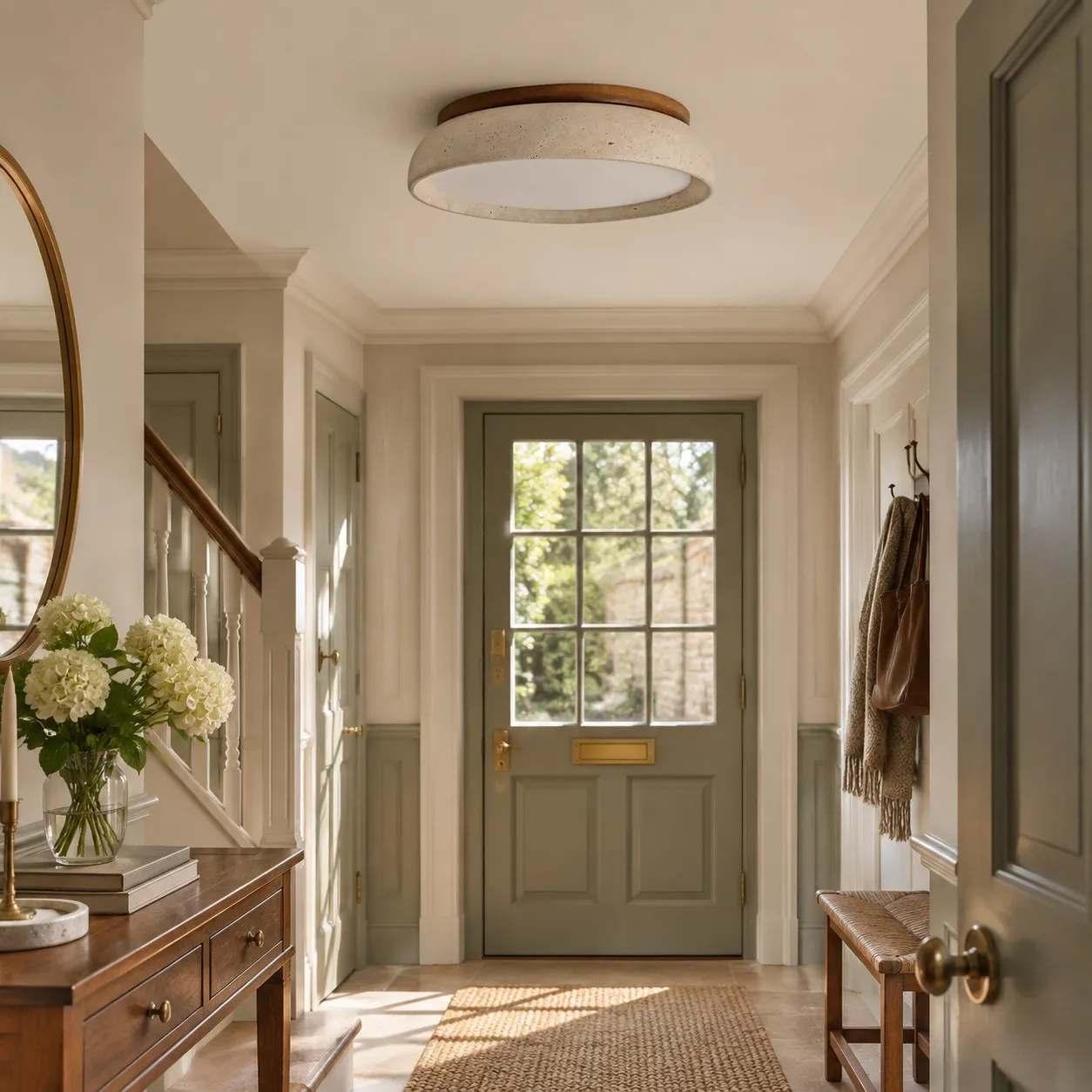
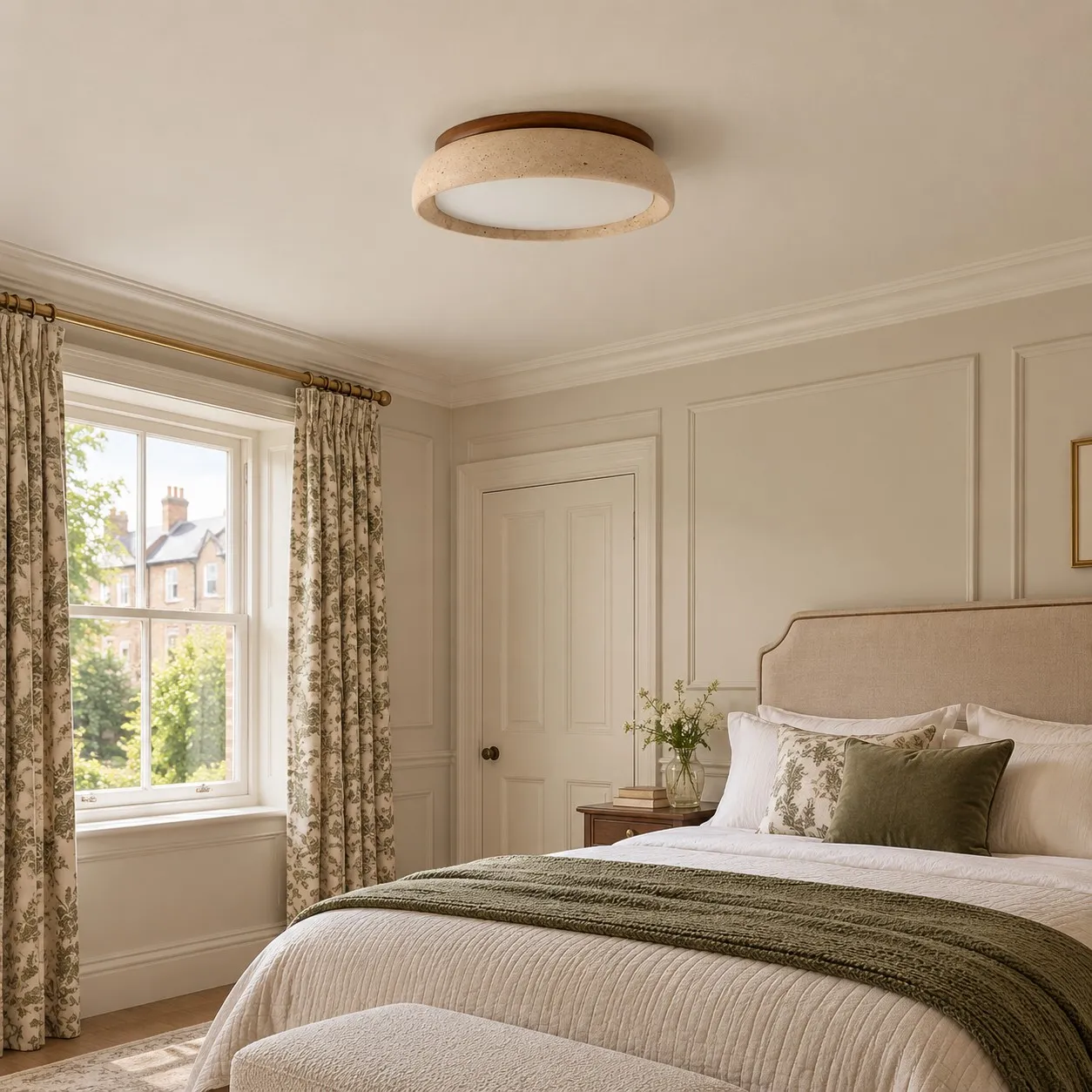
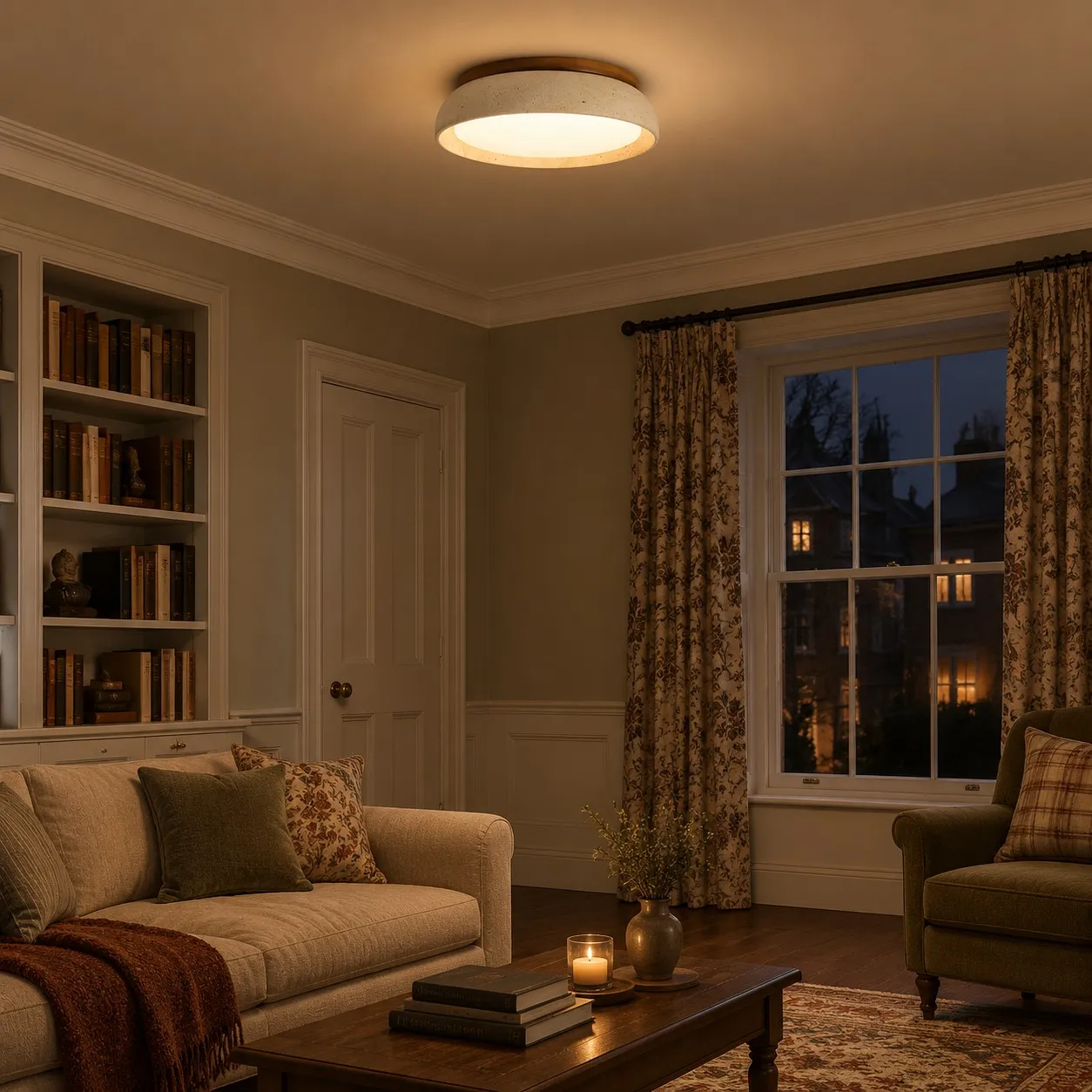
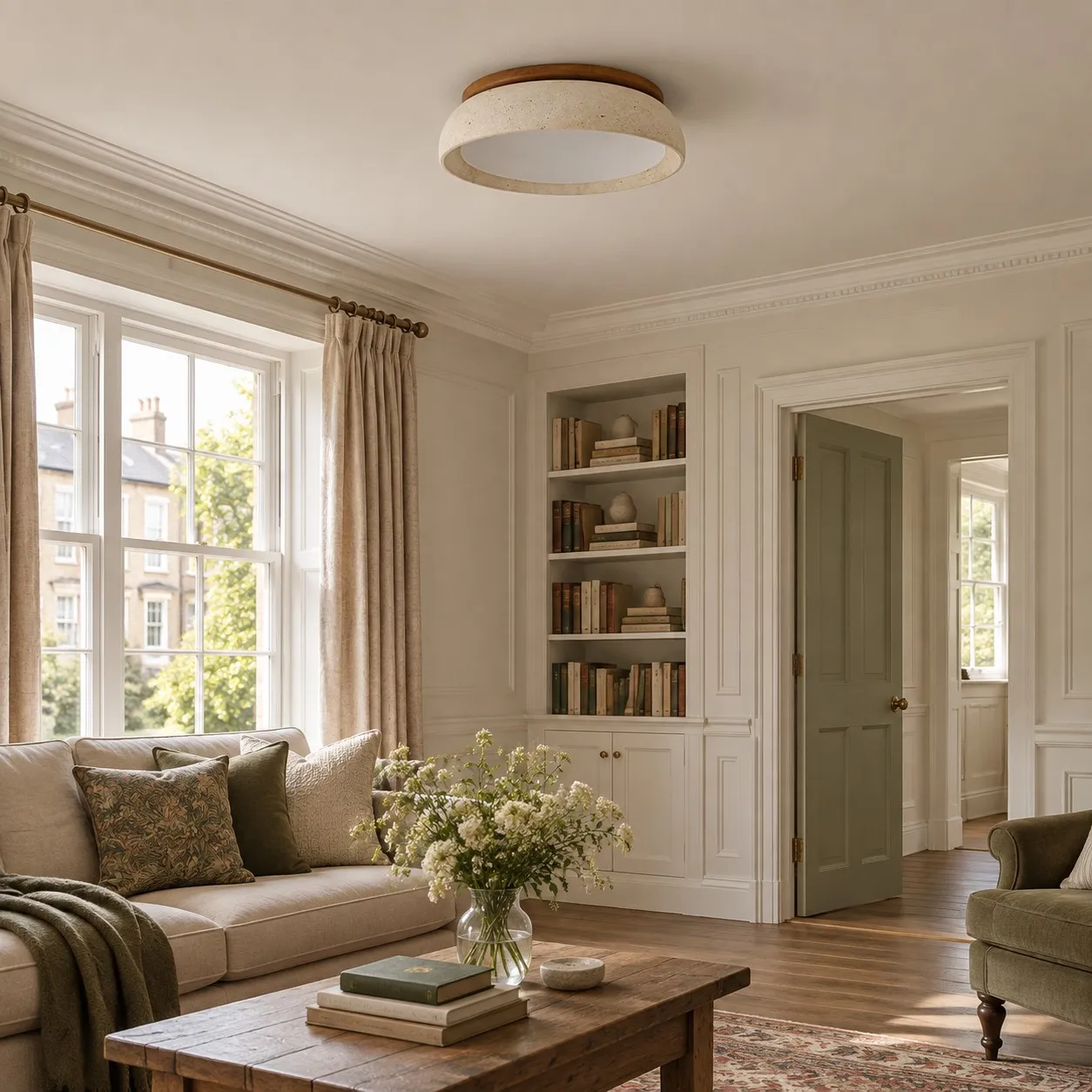
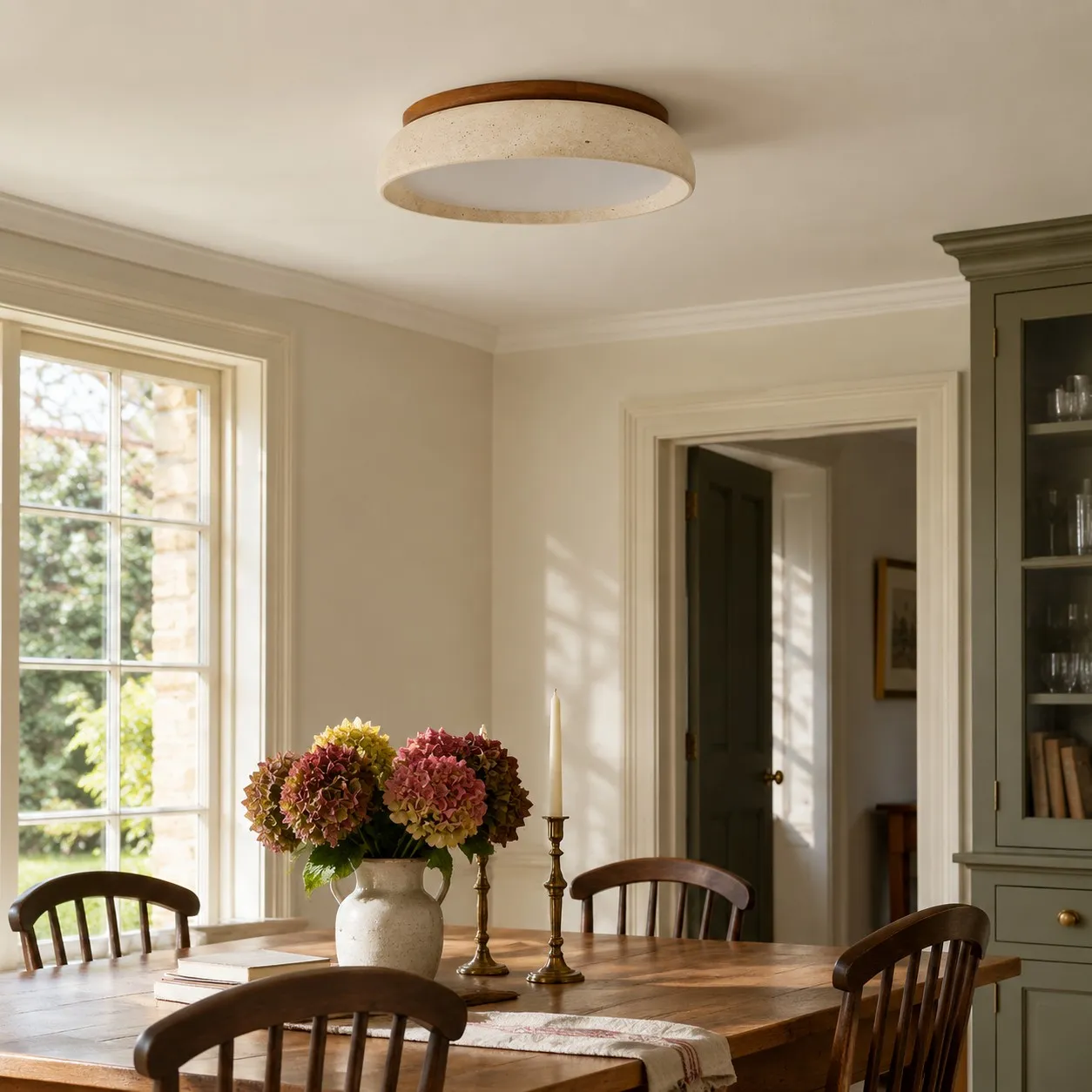
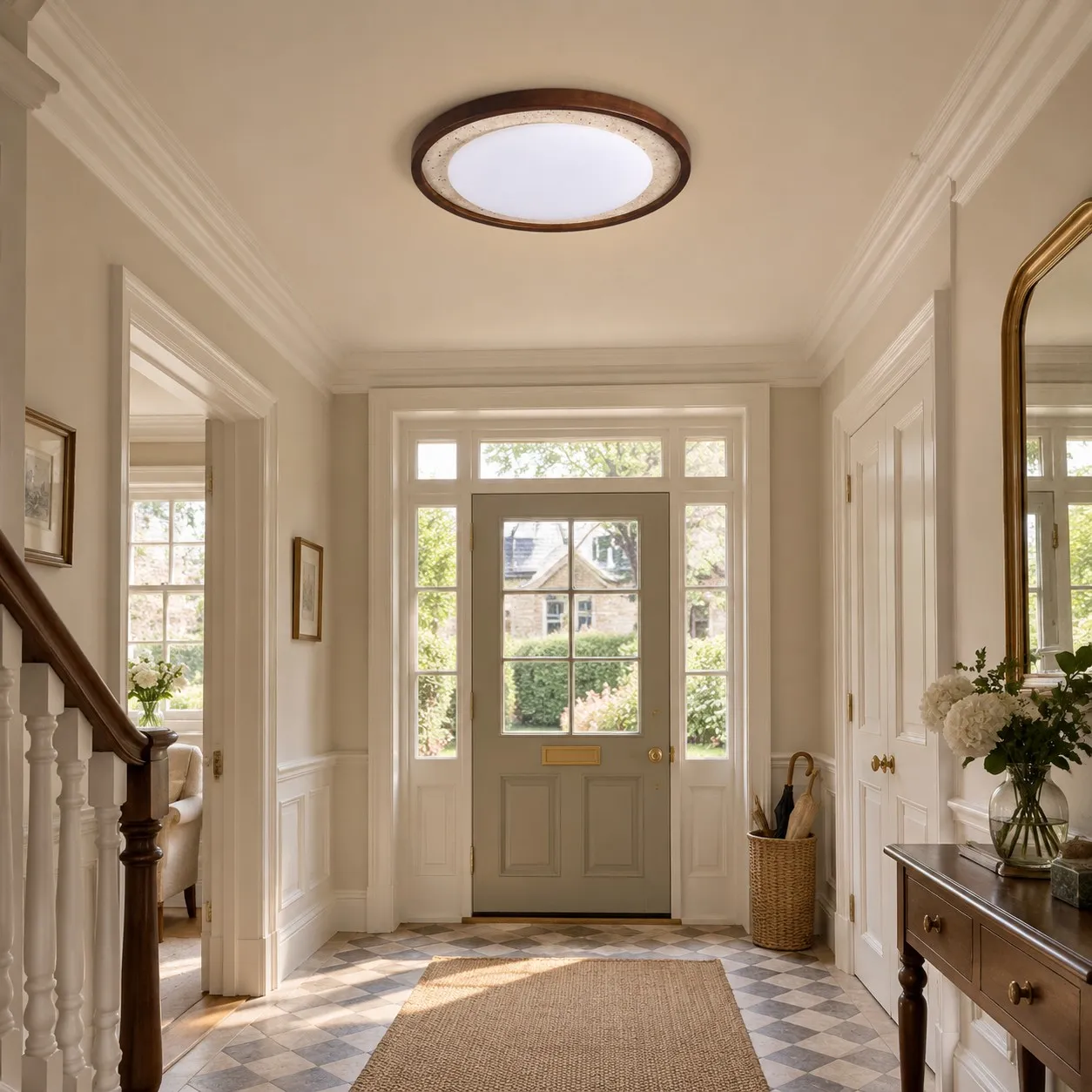
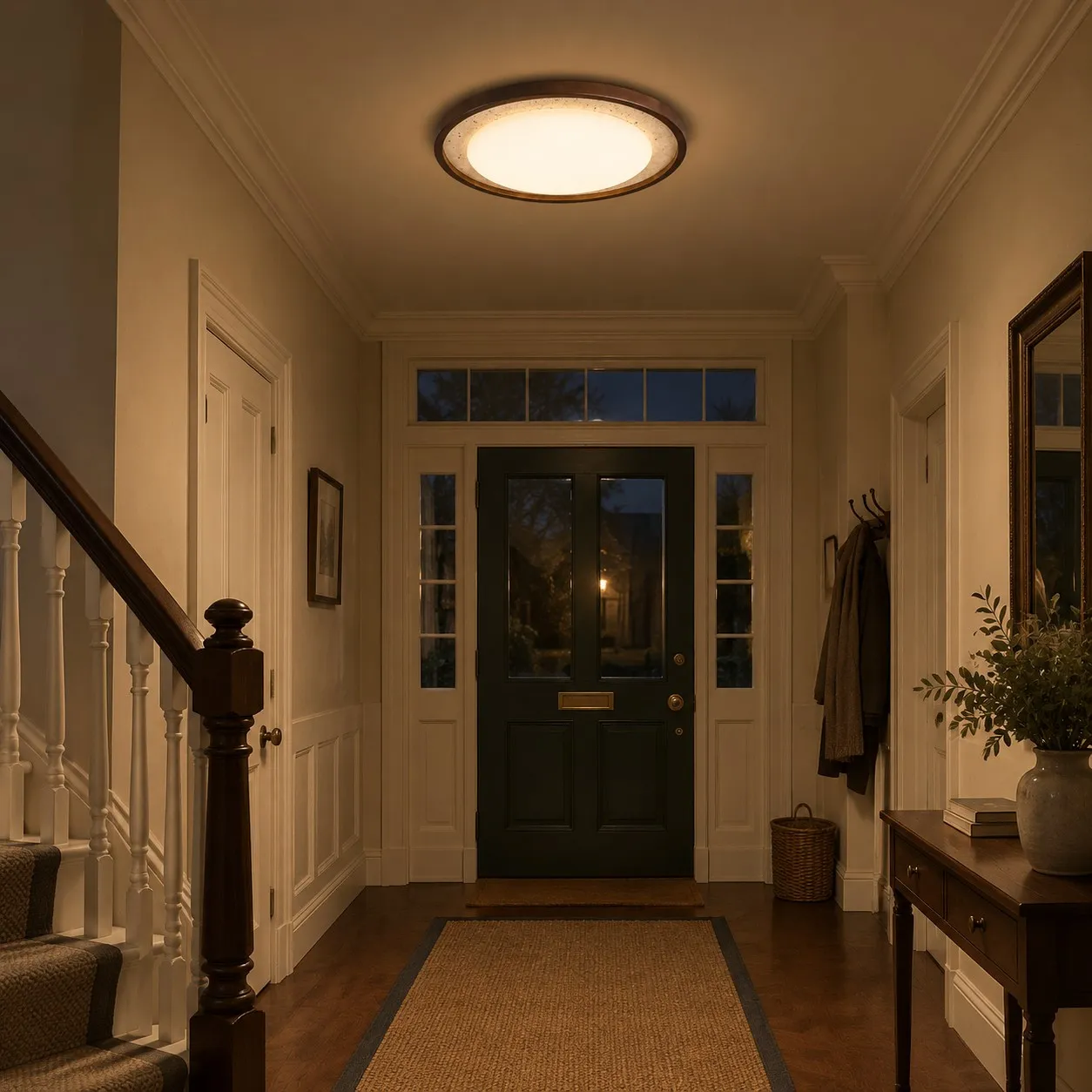
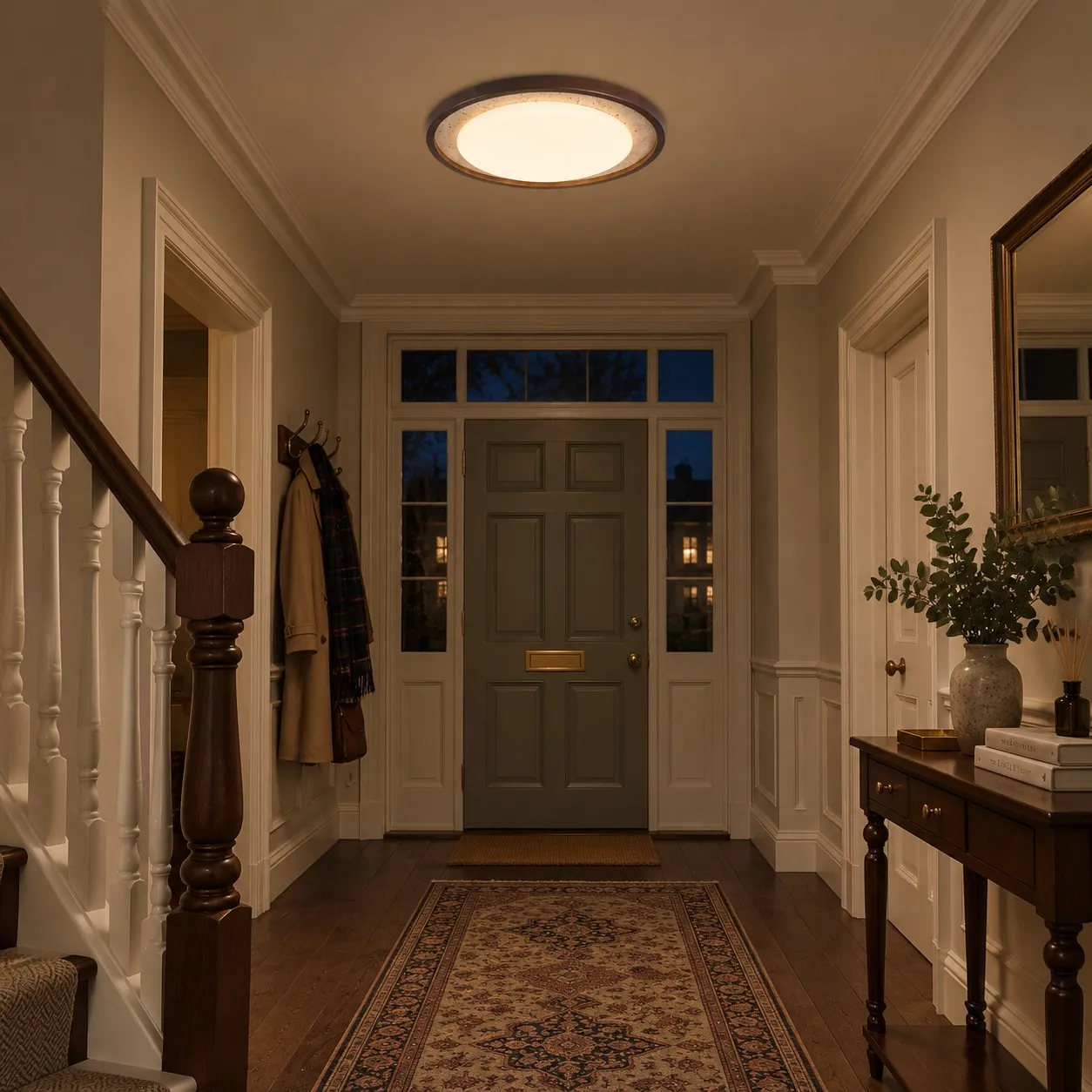
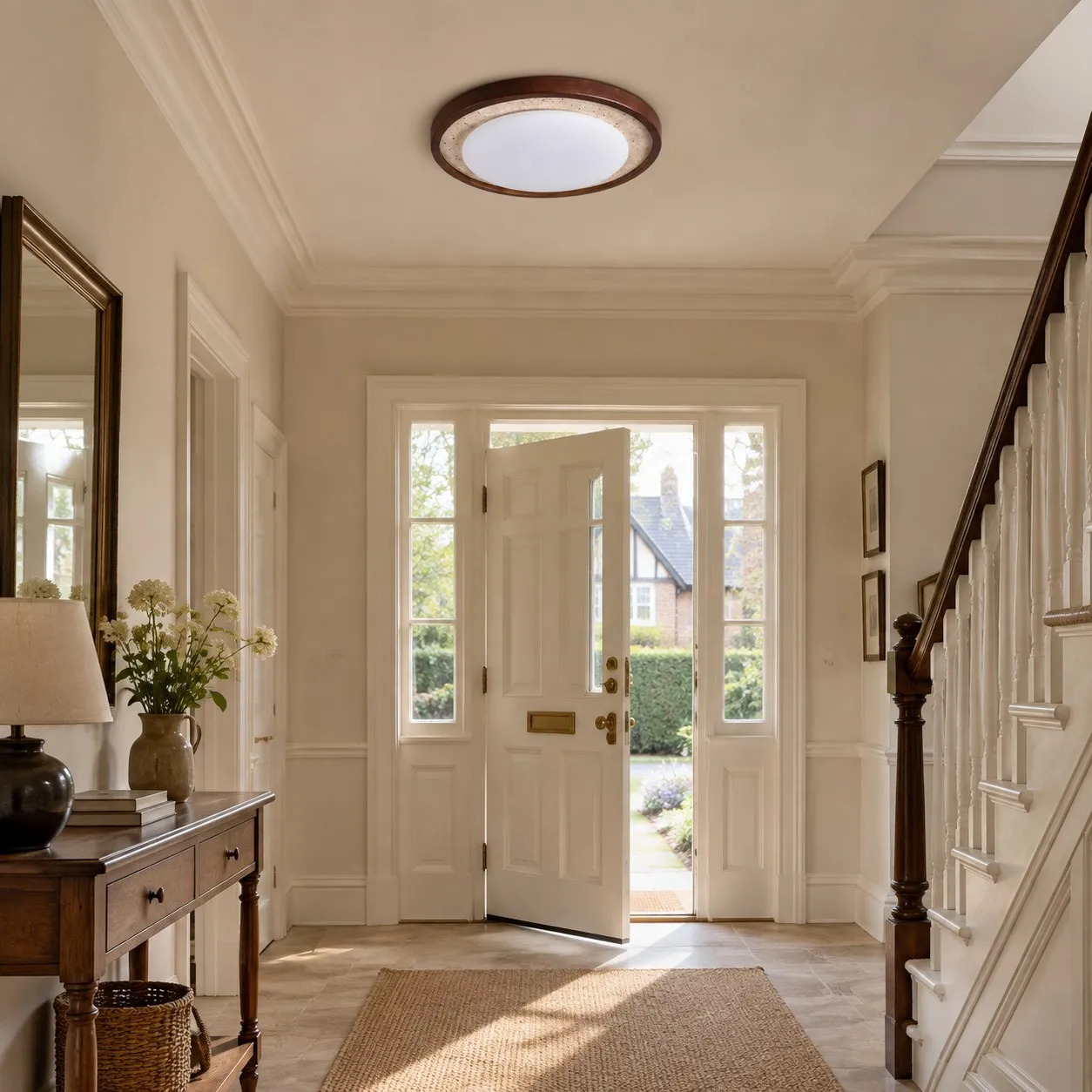
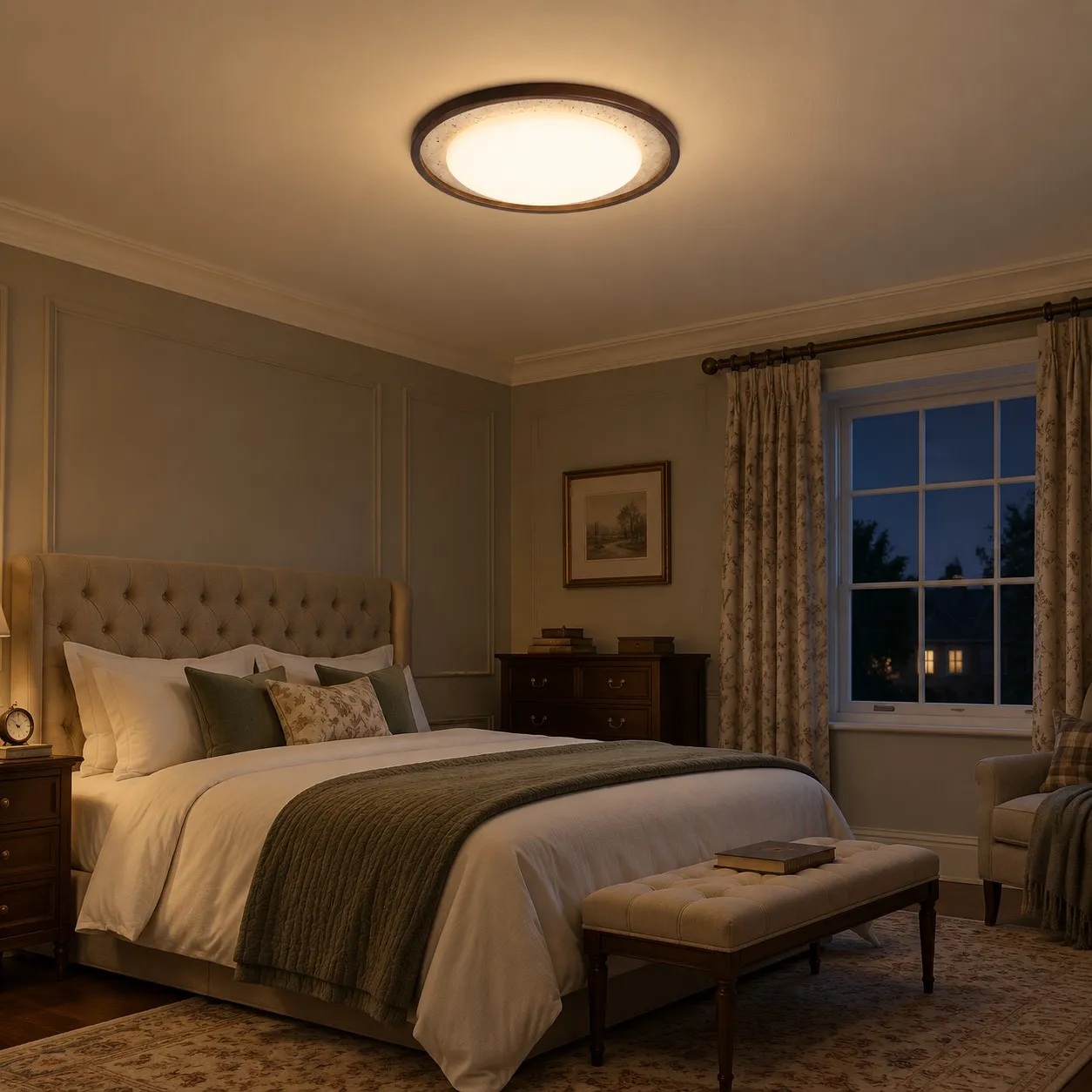
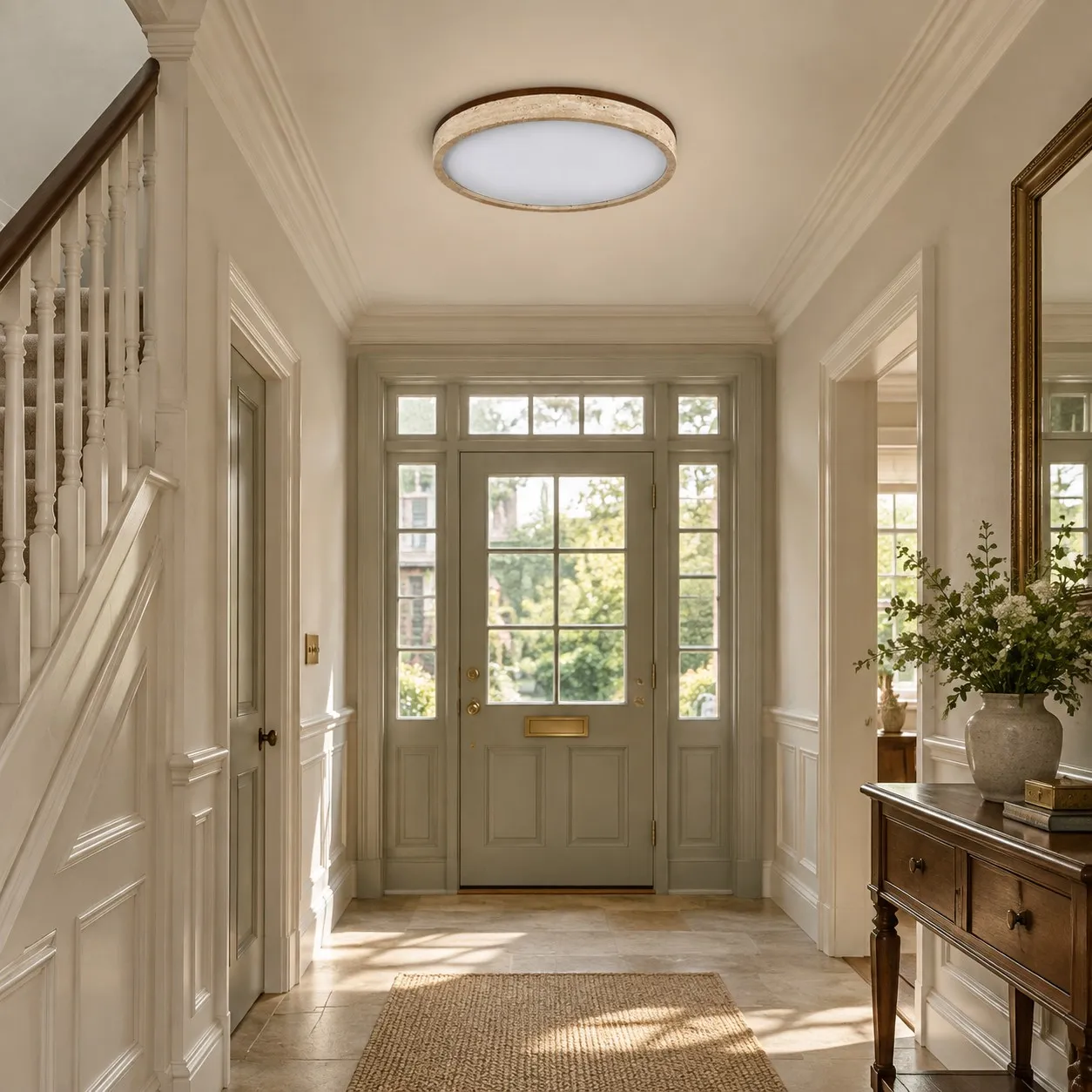
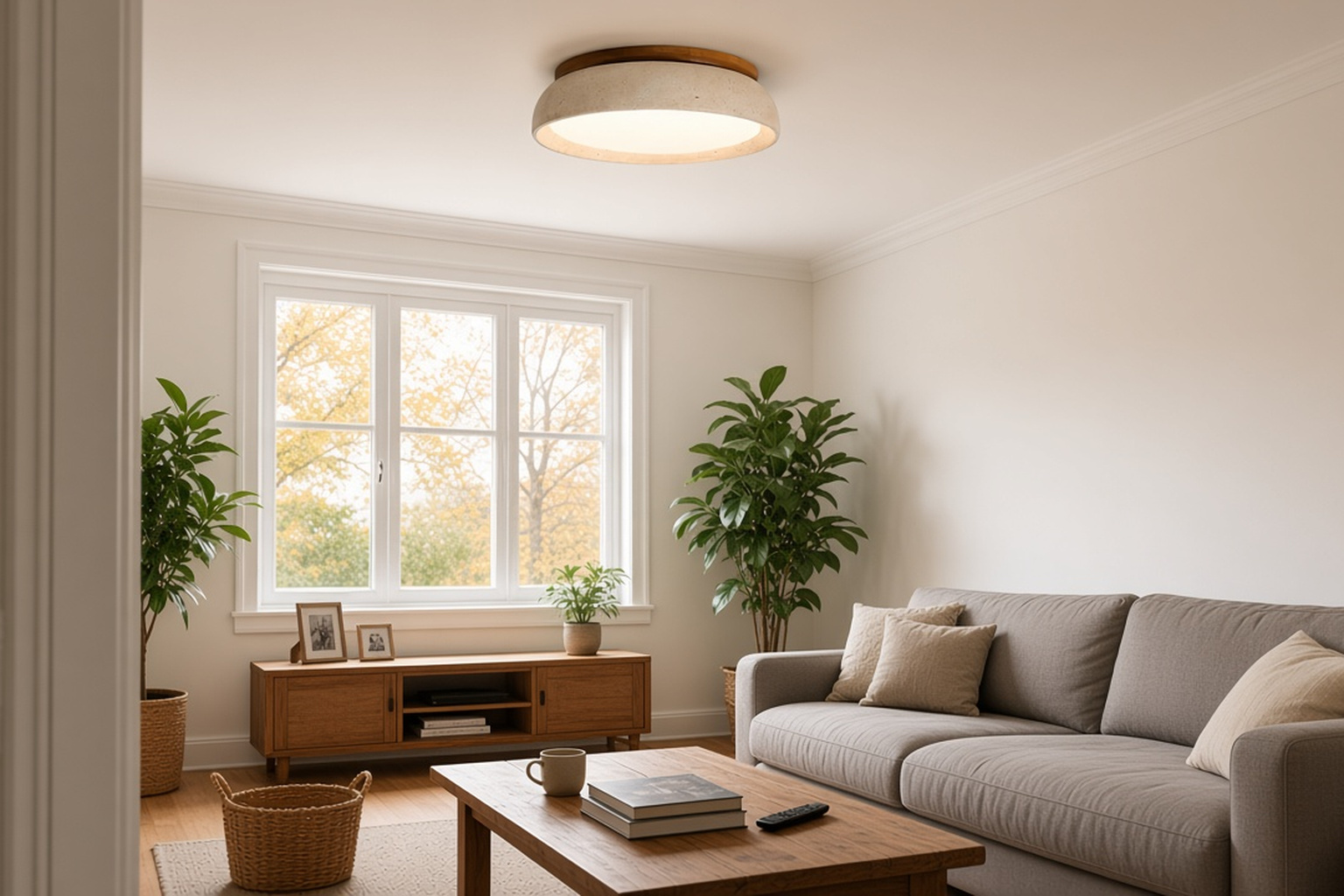
Begin with the activity, not the fixture. A hallway needs clear, even orientation light. A bedroom benefits from softer general light supported by bedside lamps. A living room usually needs several layers because conversation, reading and television viewing create different requirements. In a dining area, the ceiling light should relate to the table position and the wider room layout.
A warm LED stone light can establish a relaxed mood, but it may not replace task lighting. Write down the jobs the room must support and identify where shadows would be inconvenient. This prevents an attractive centre light from becoming the only source in a space that needs more flexibility.
Step 2 Measure the ceiling area and clearances
Record the room length and width, ceiling height, door swings, tall cupboards and the position of the electrical point. Then mark the proposed diameter on the ceiling. A paper template makes the scale easier to judge from normal viewing positions than a number on a product page.
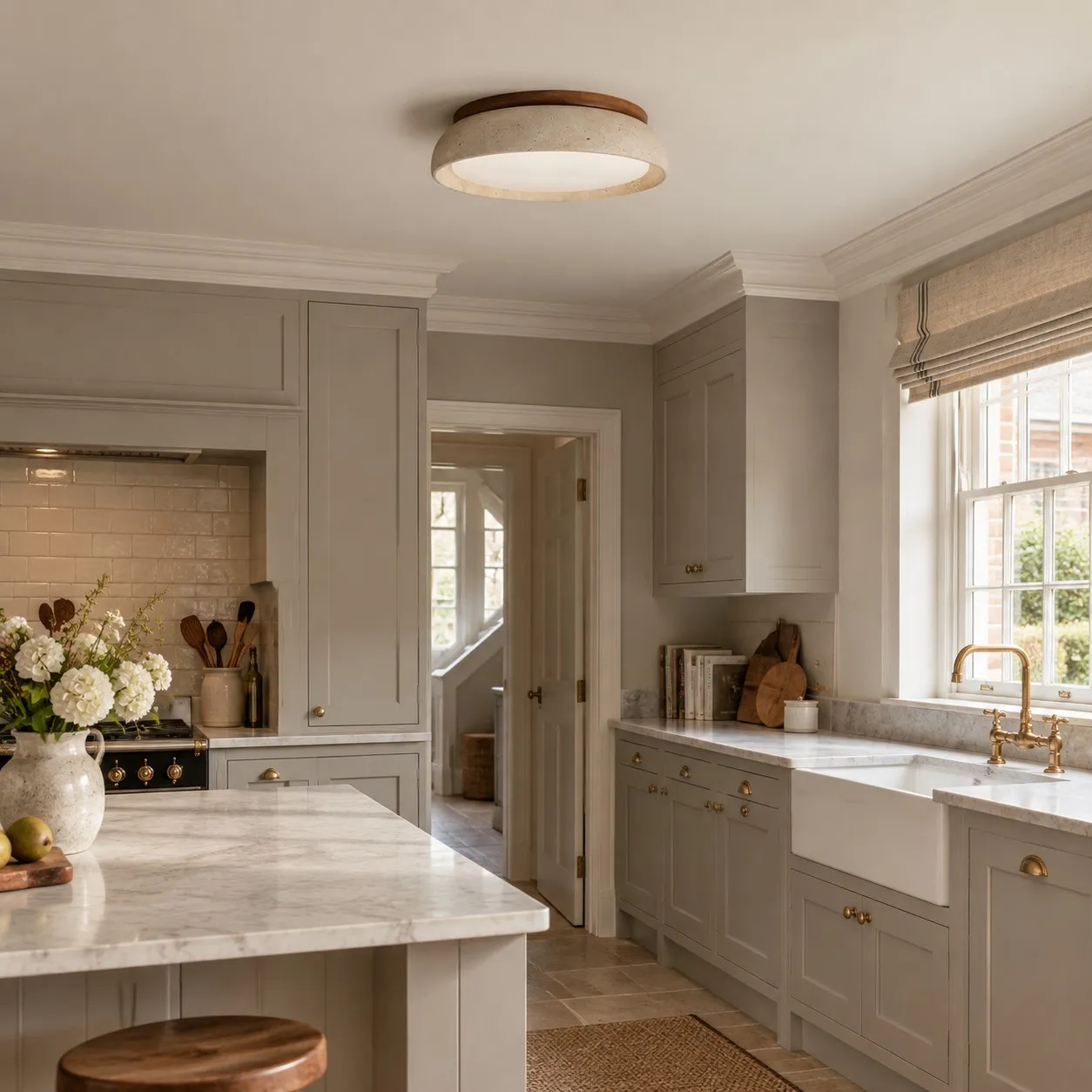
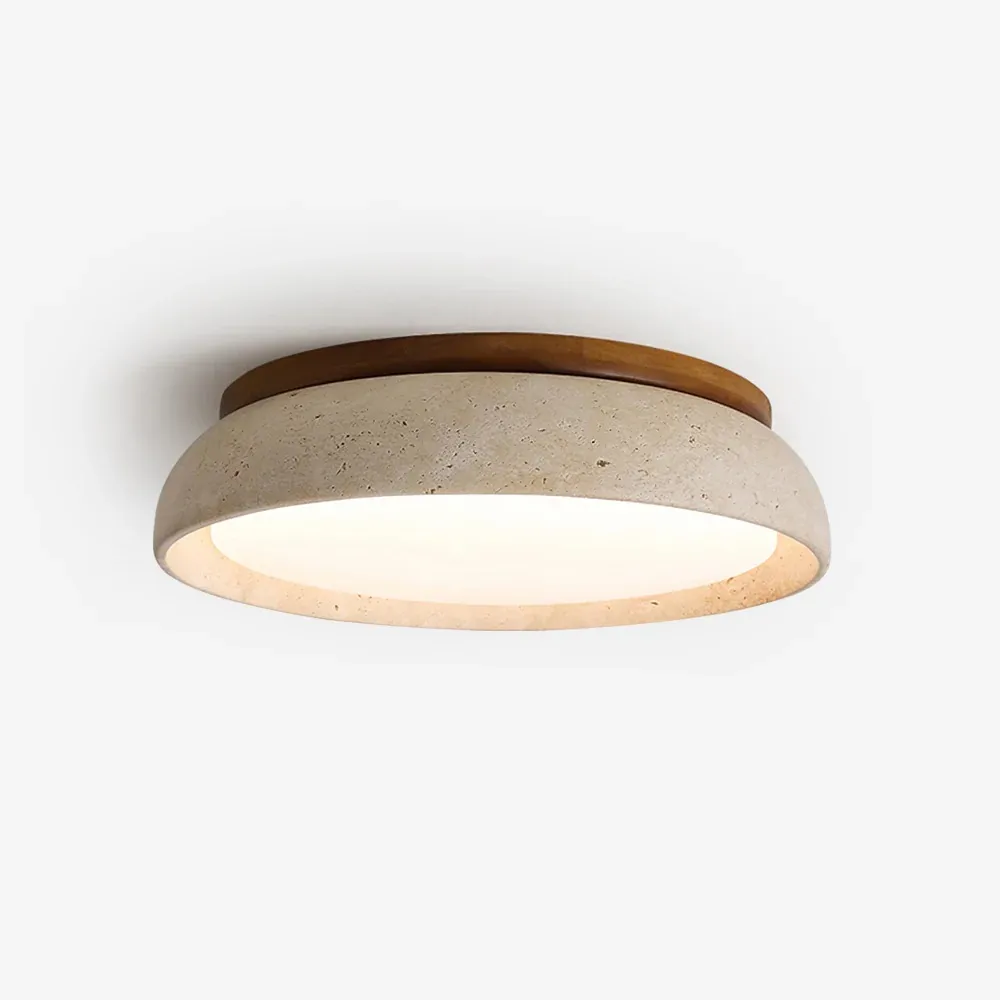
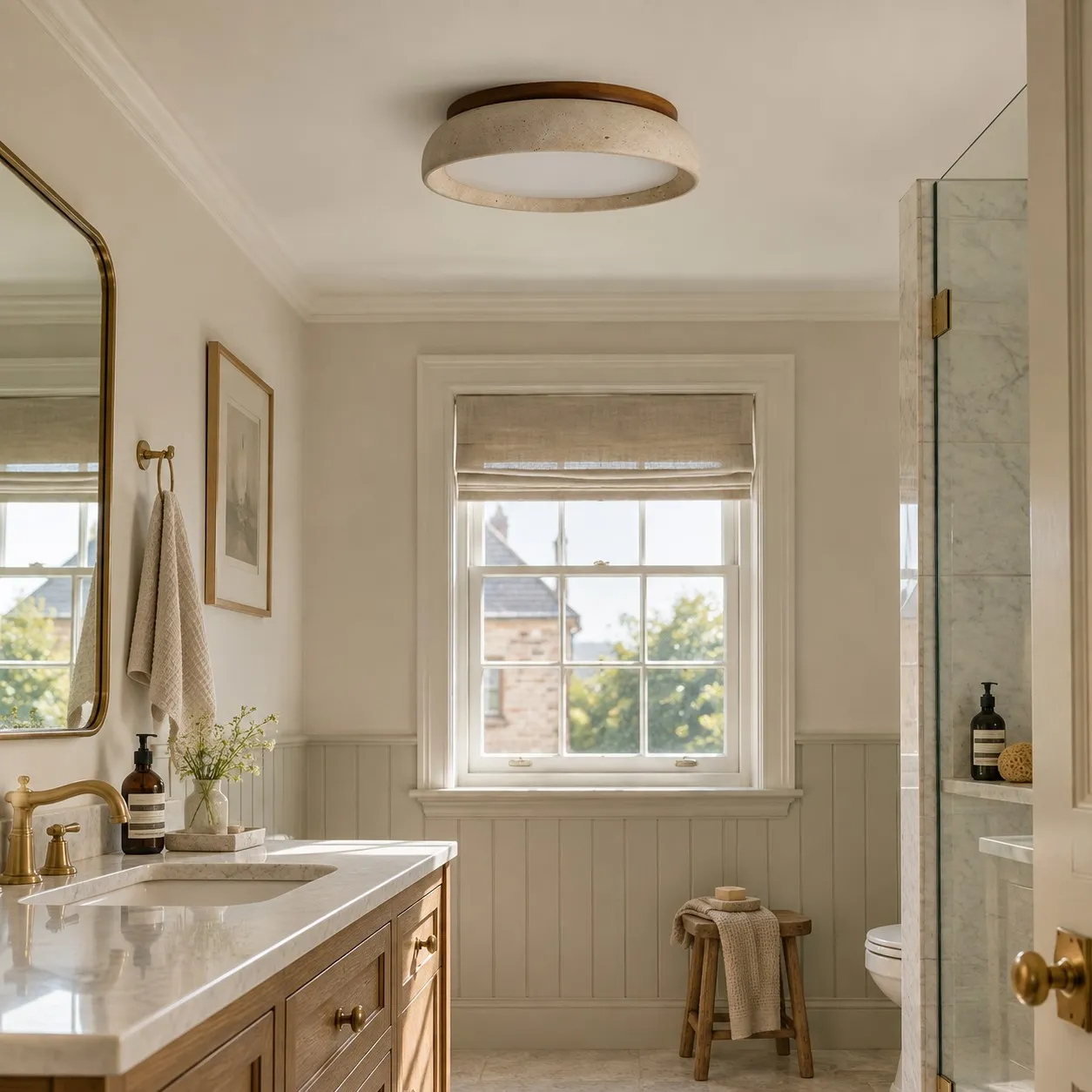
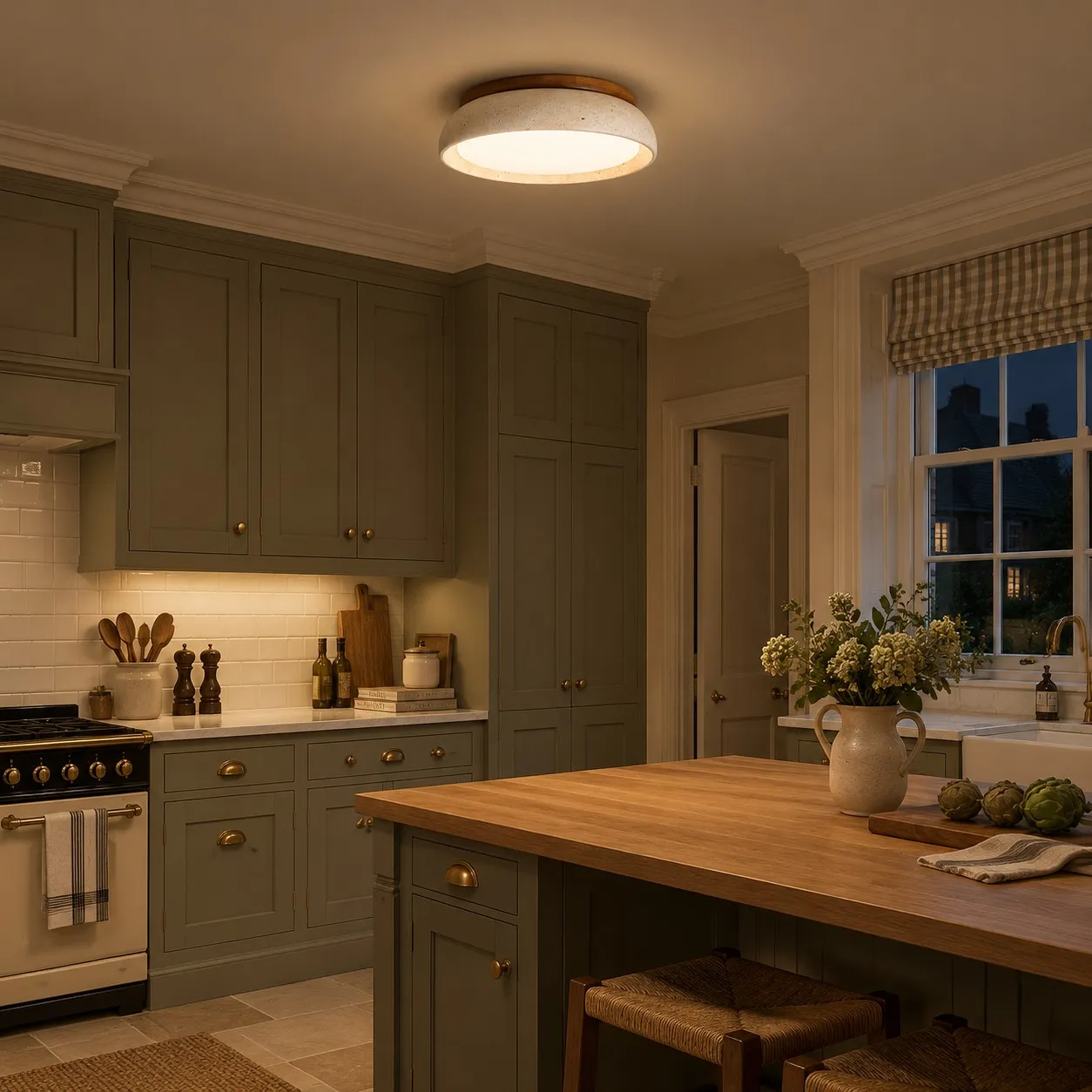
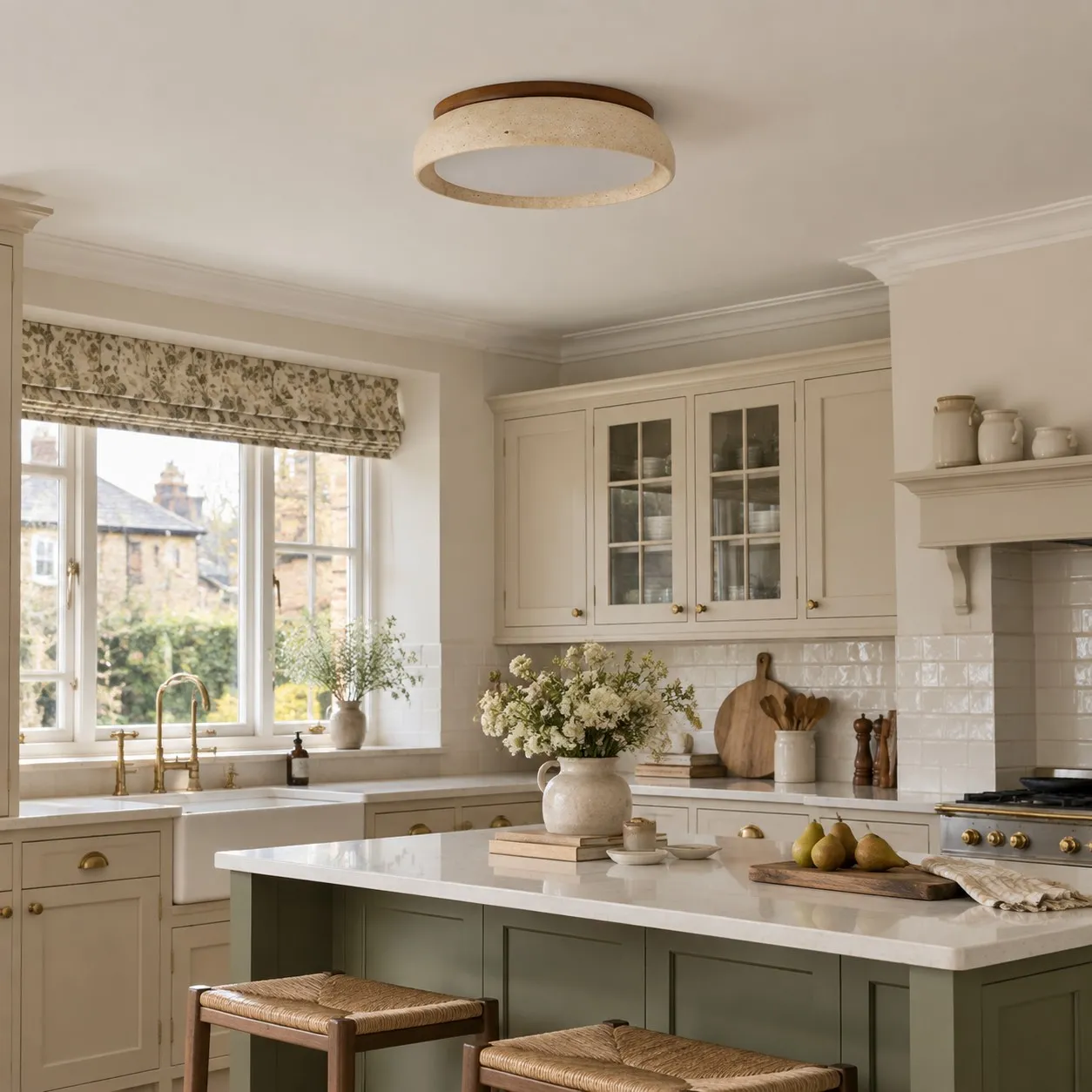
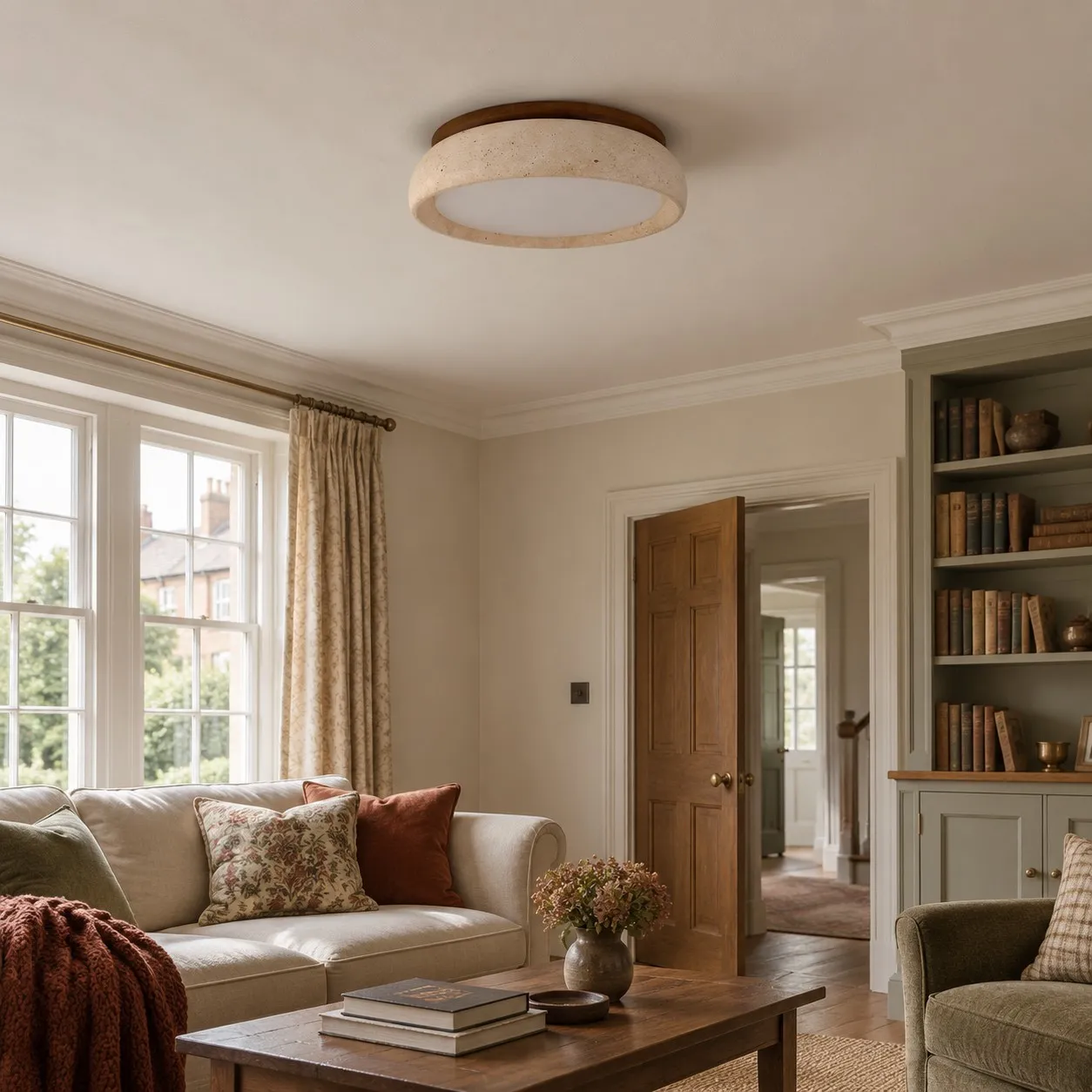
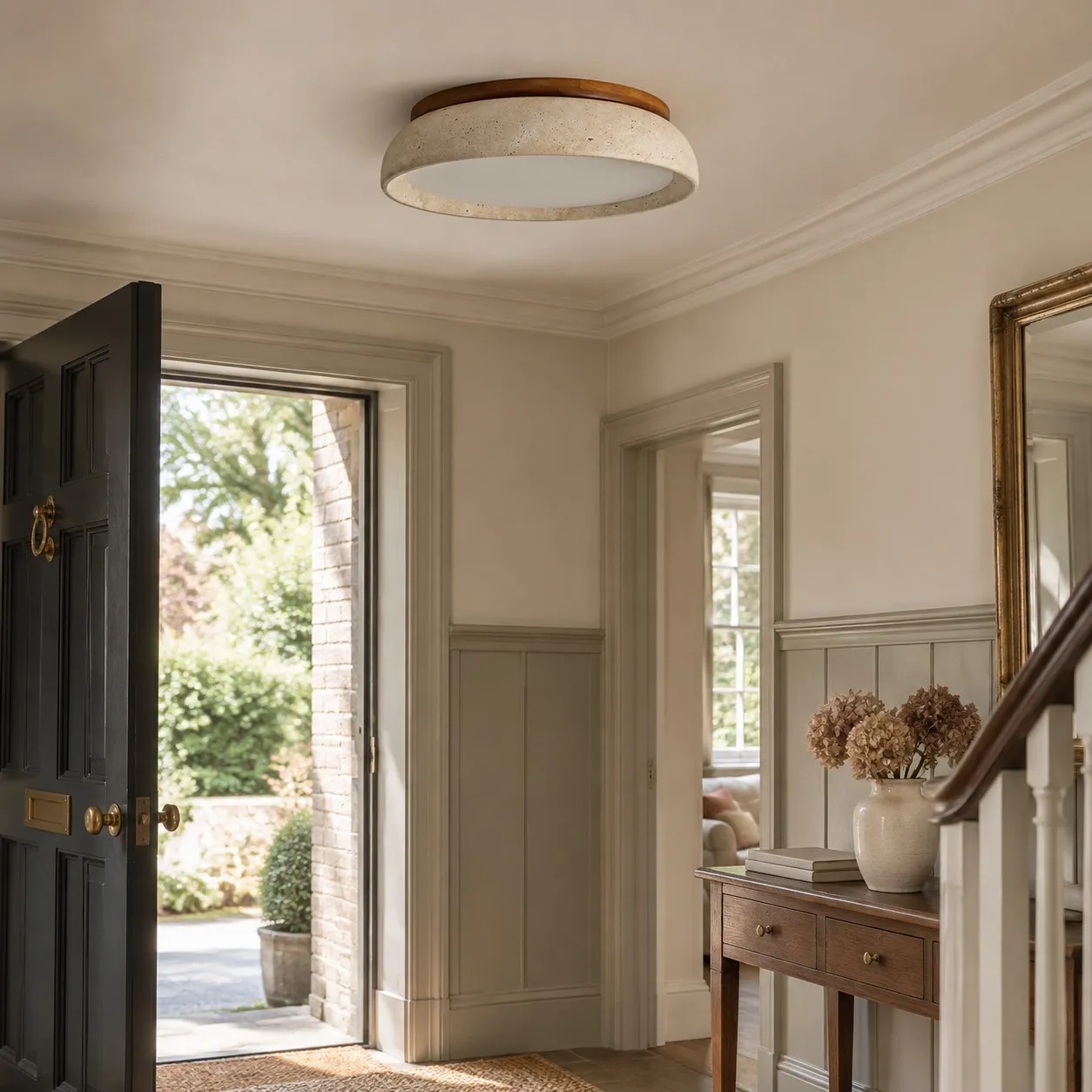
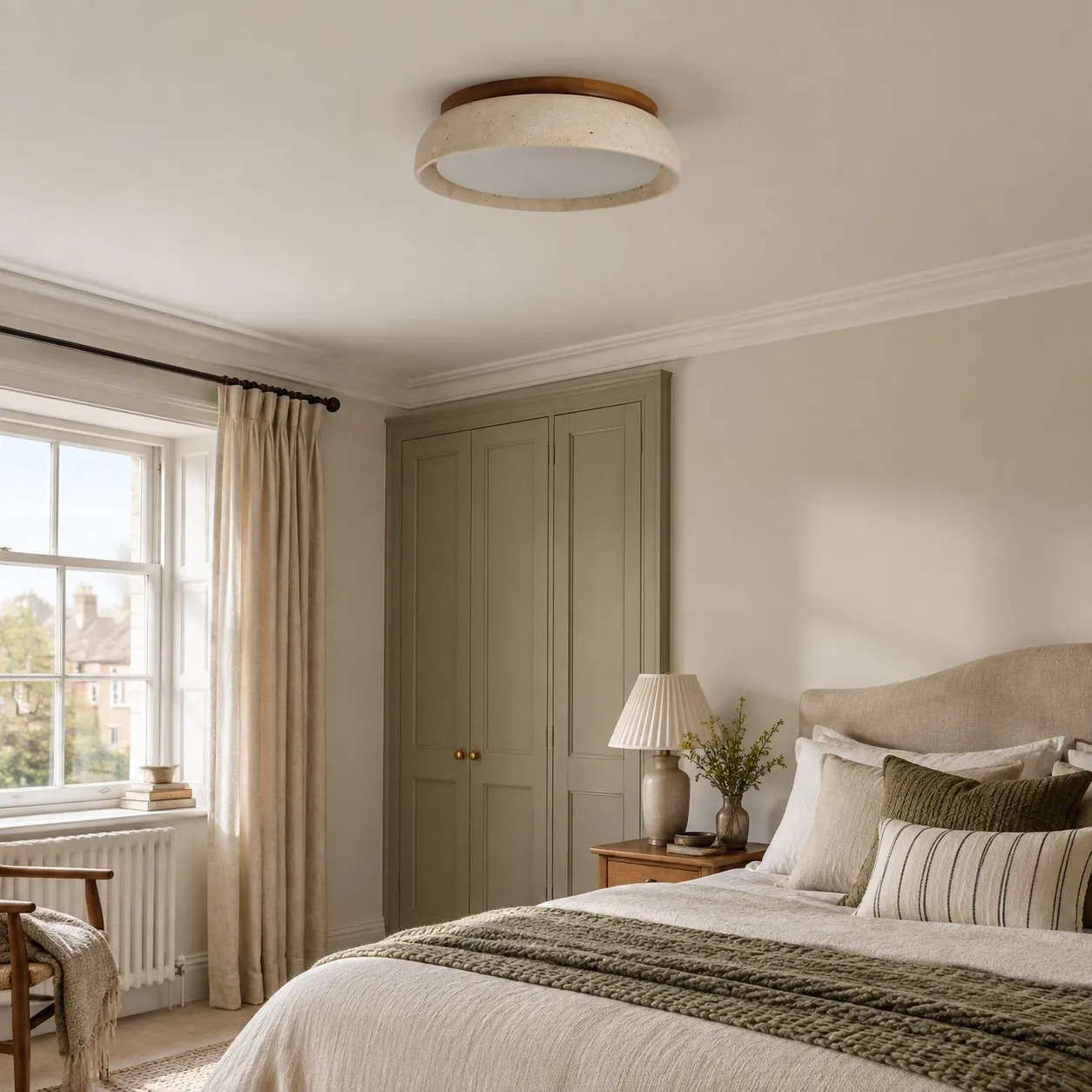
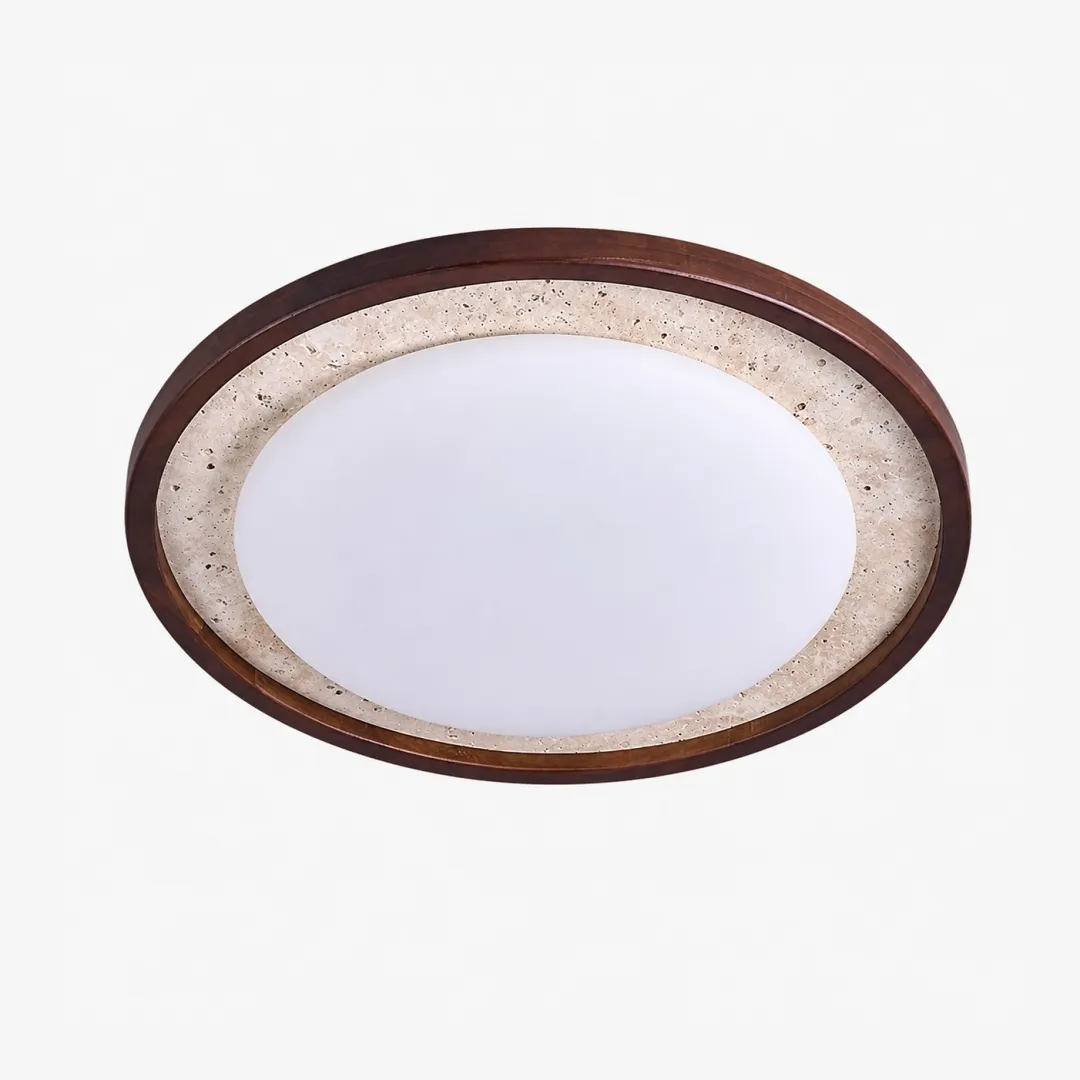
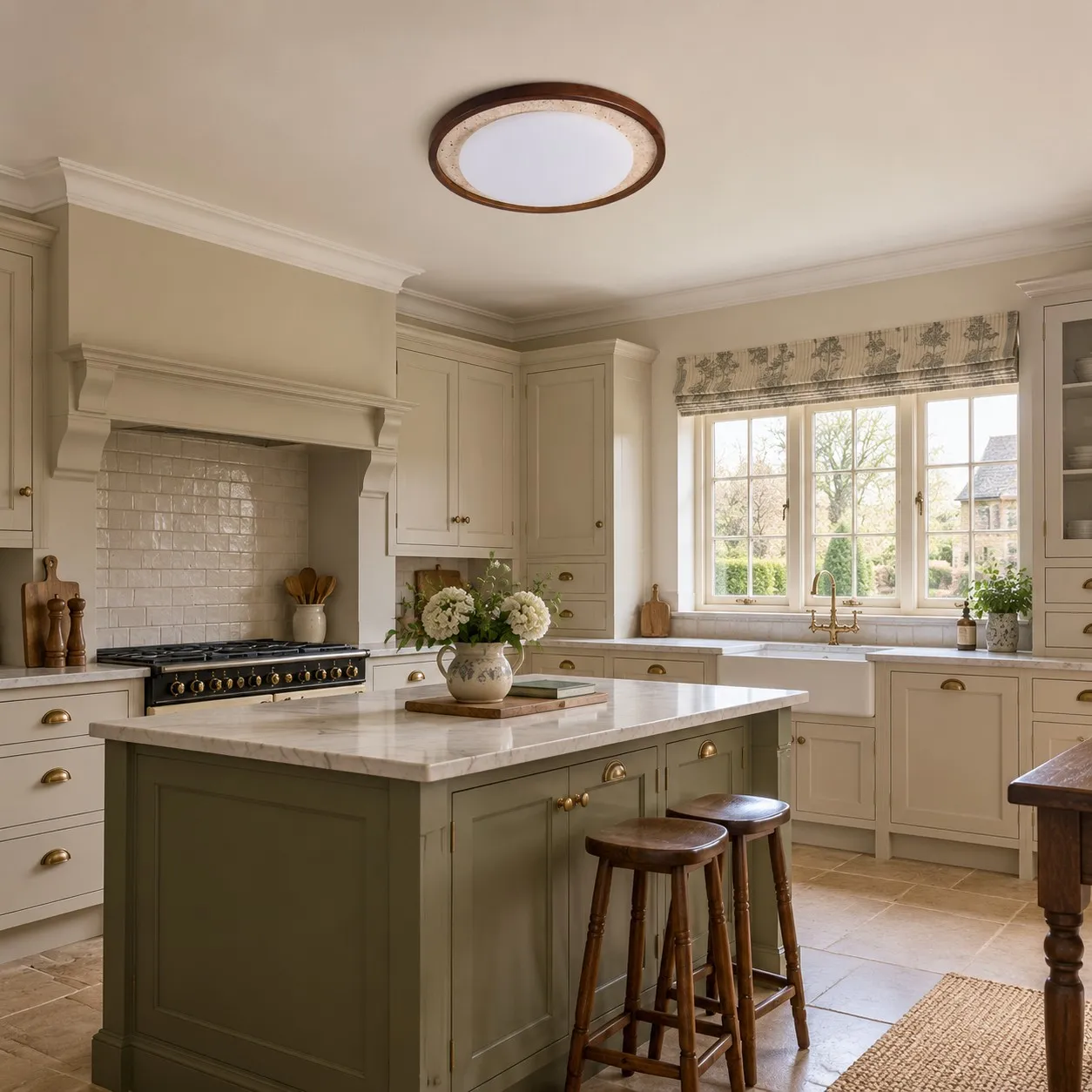
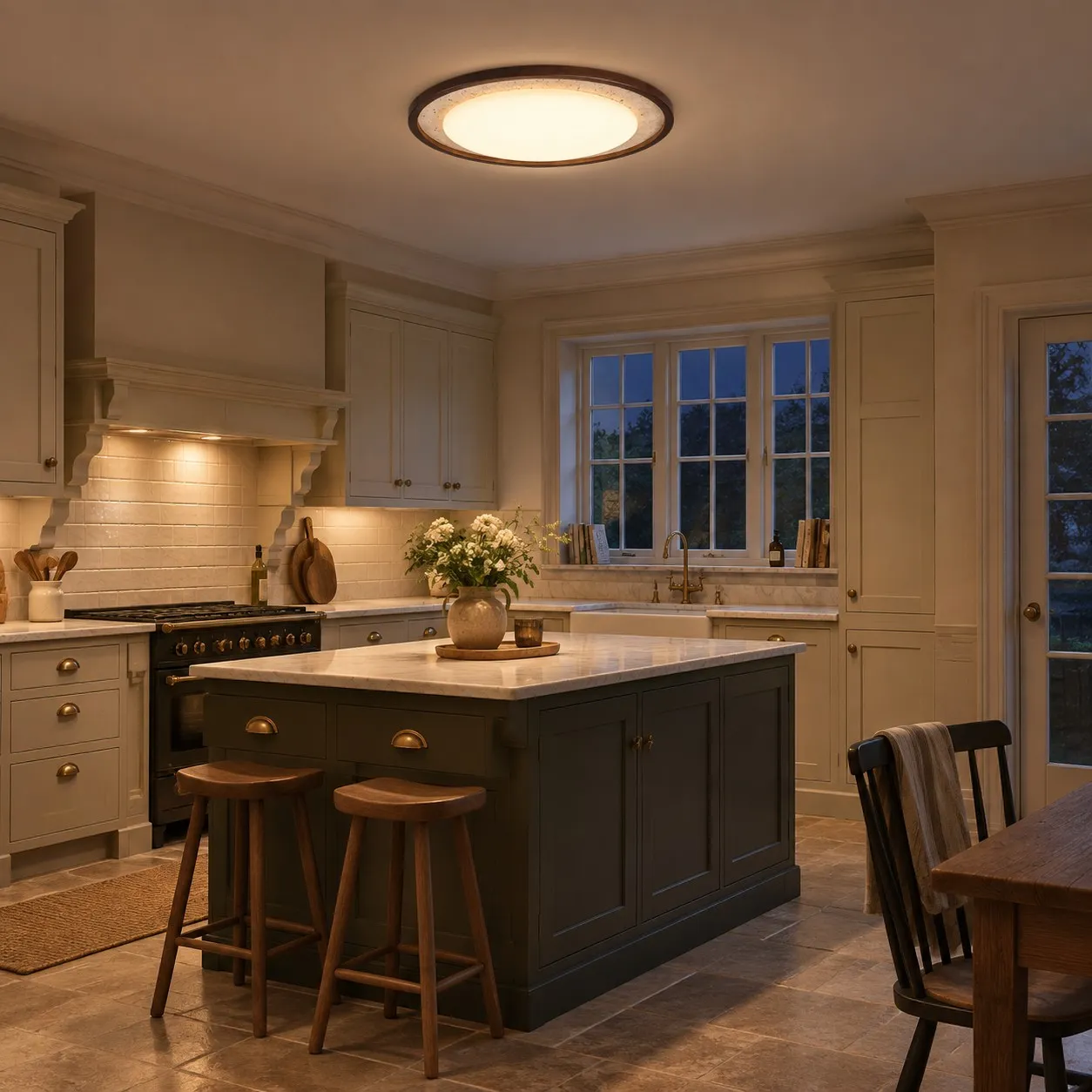
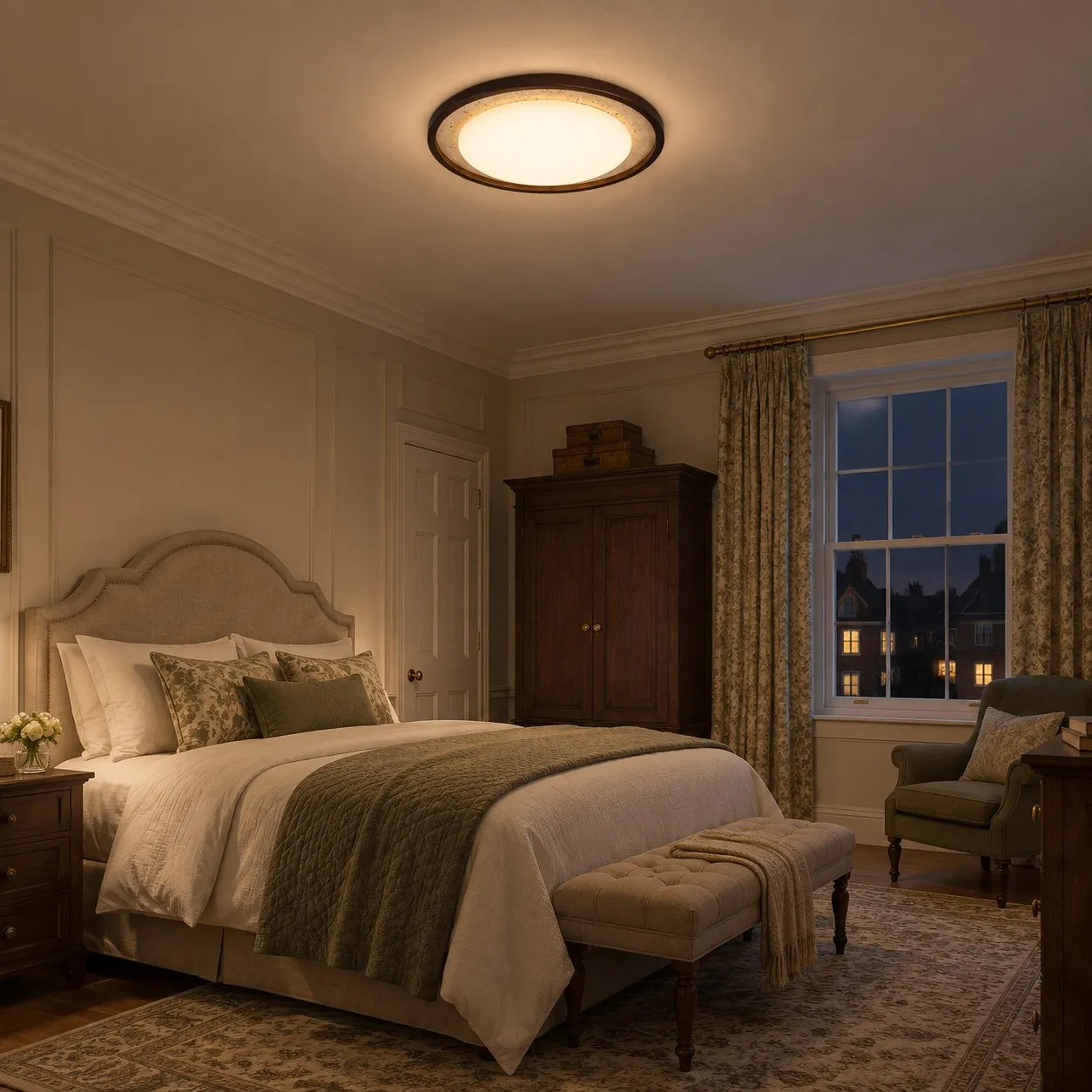
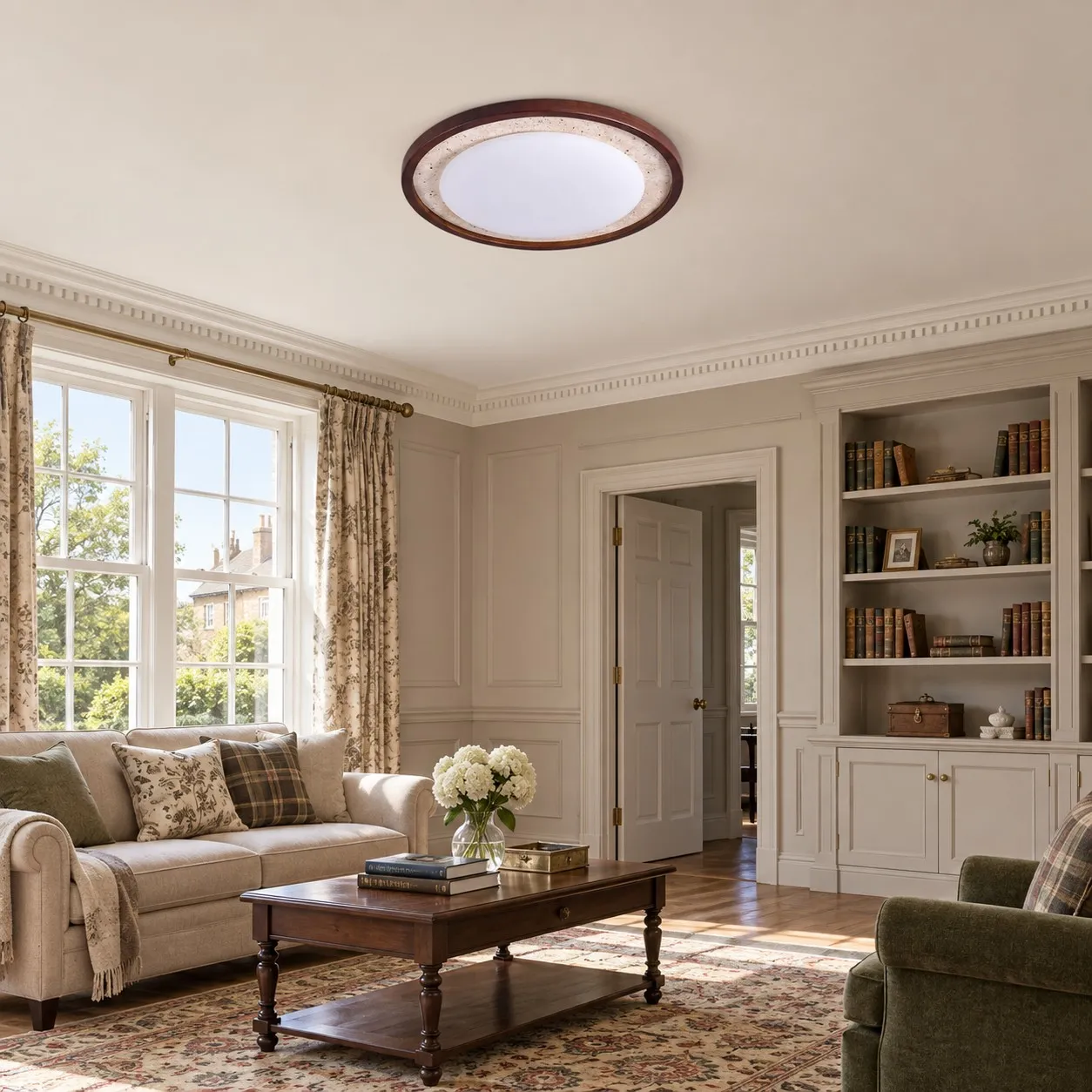
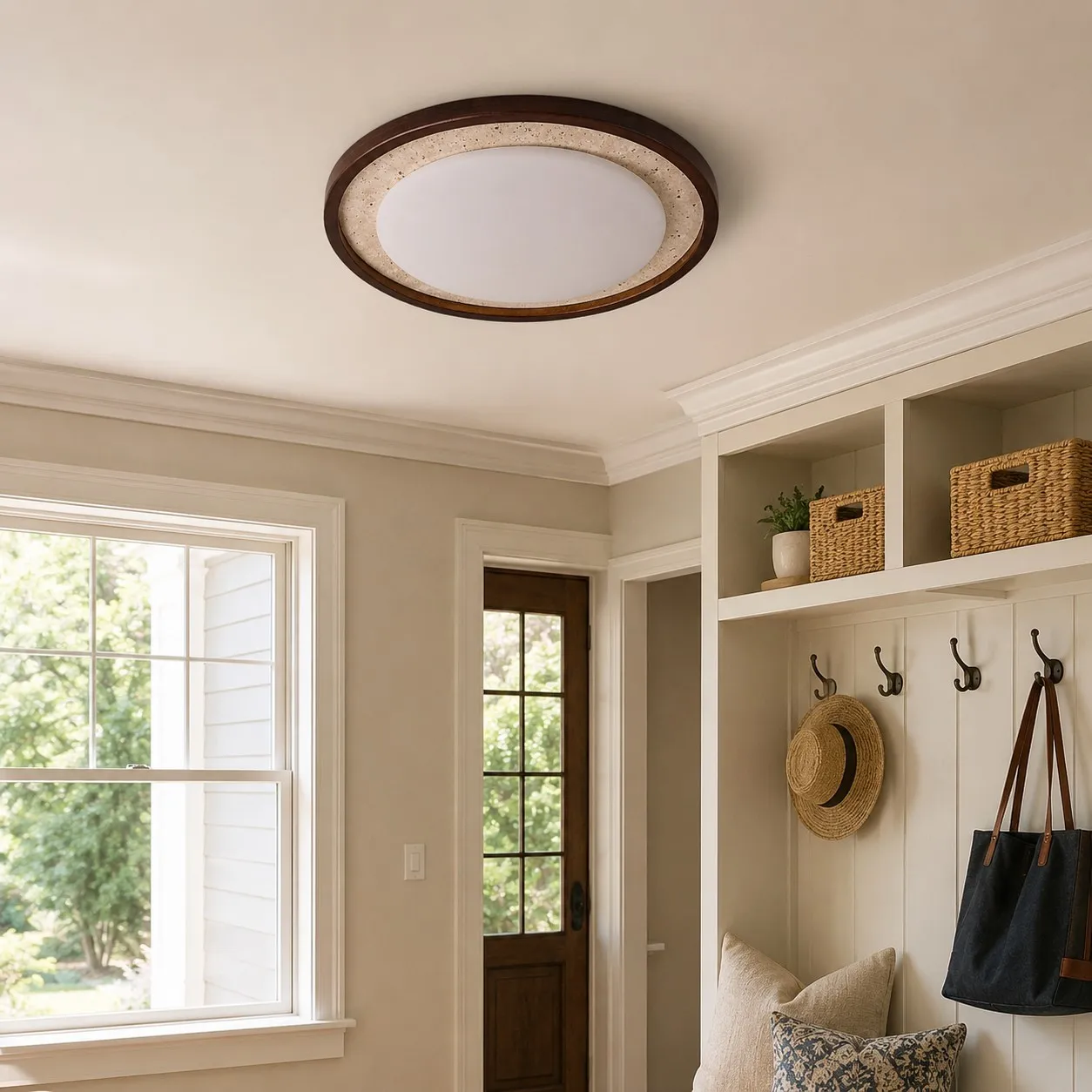
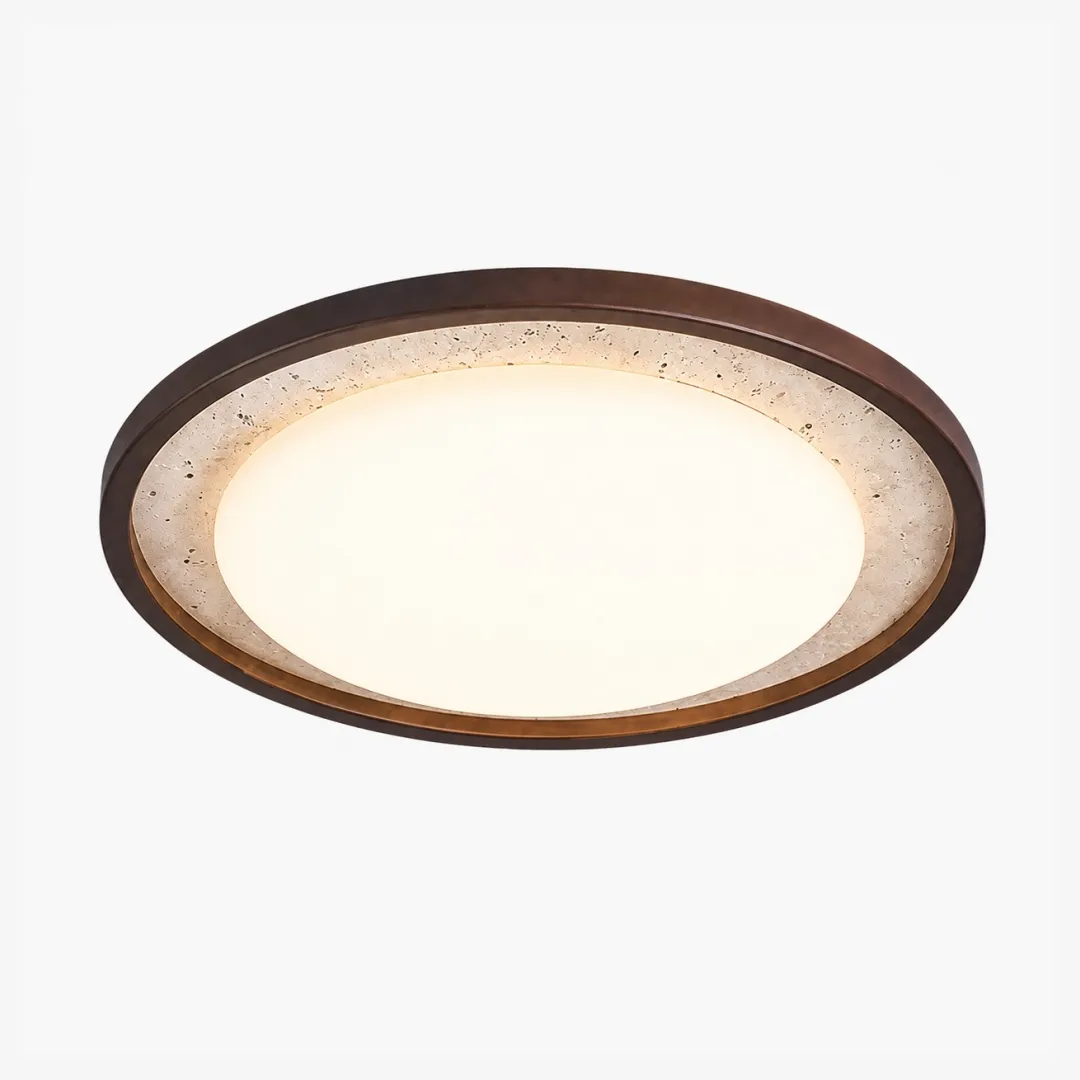
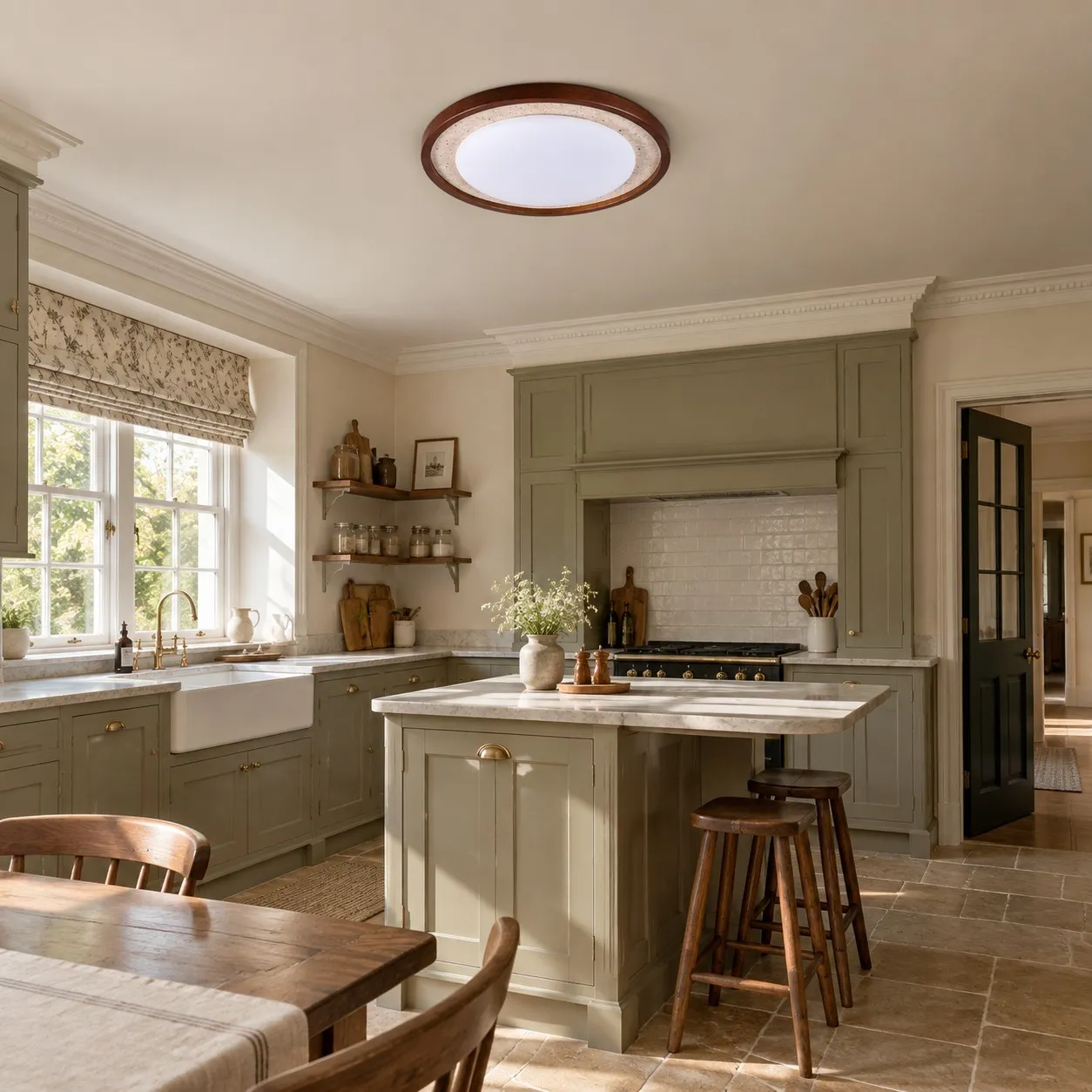
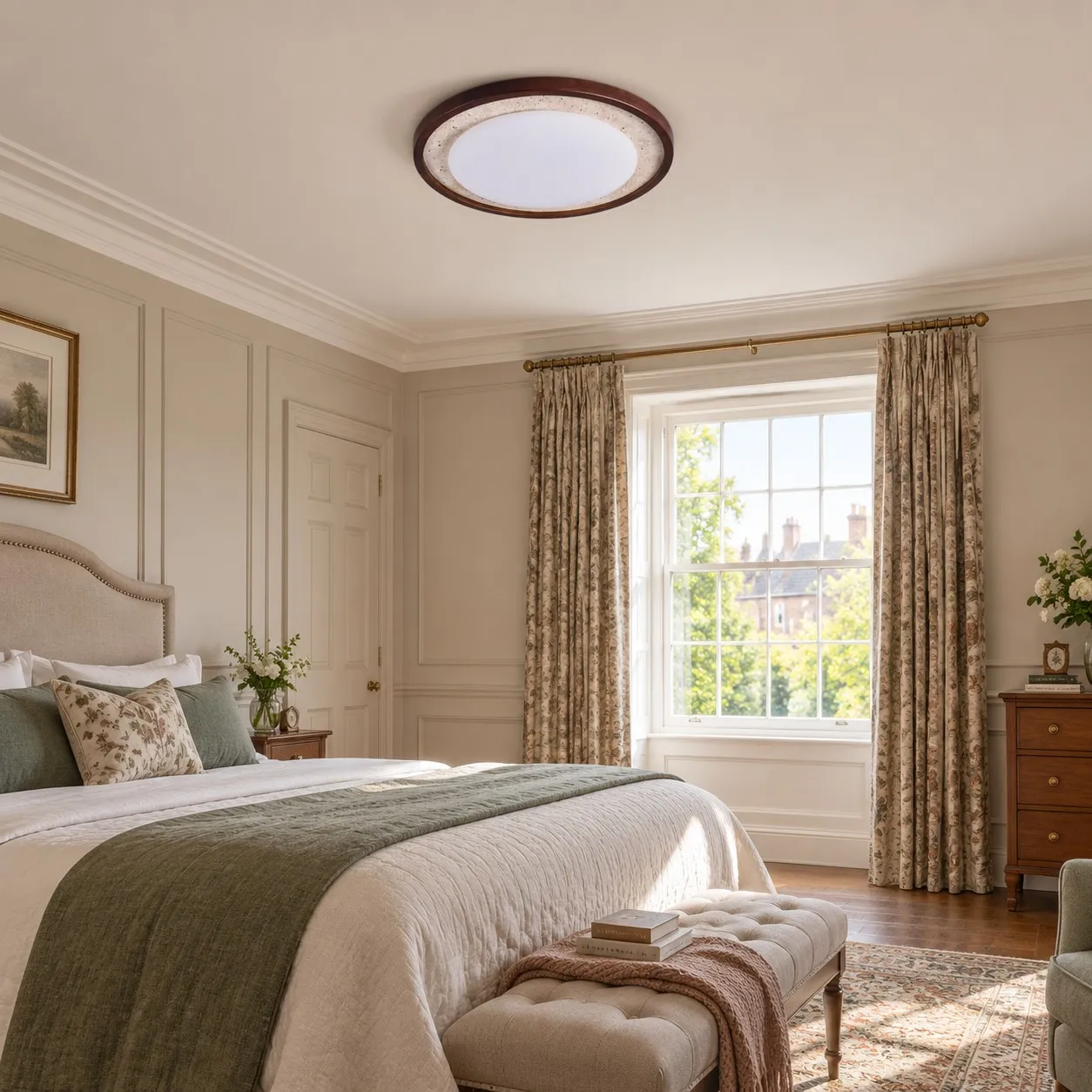
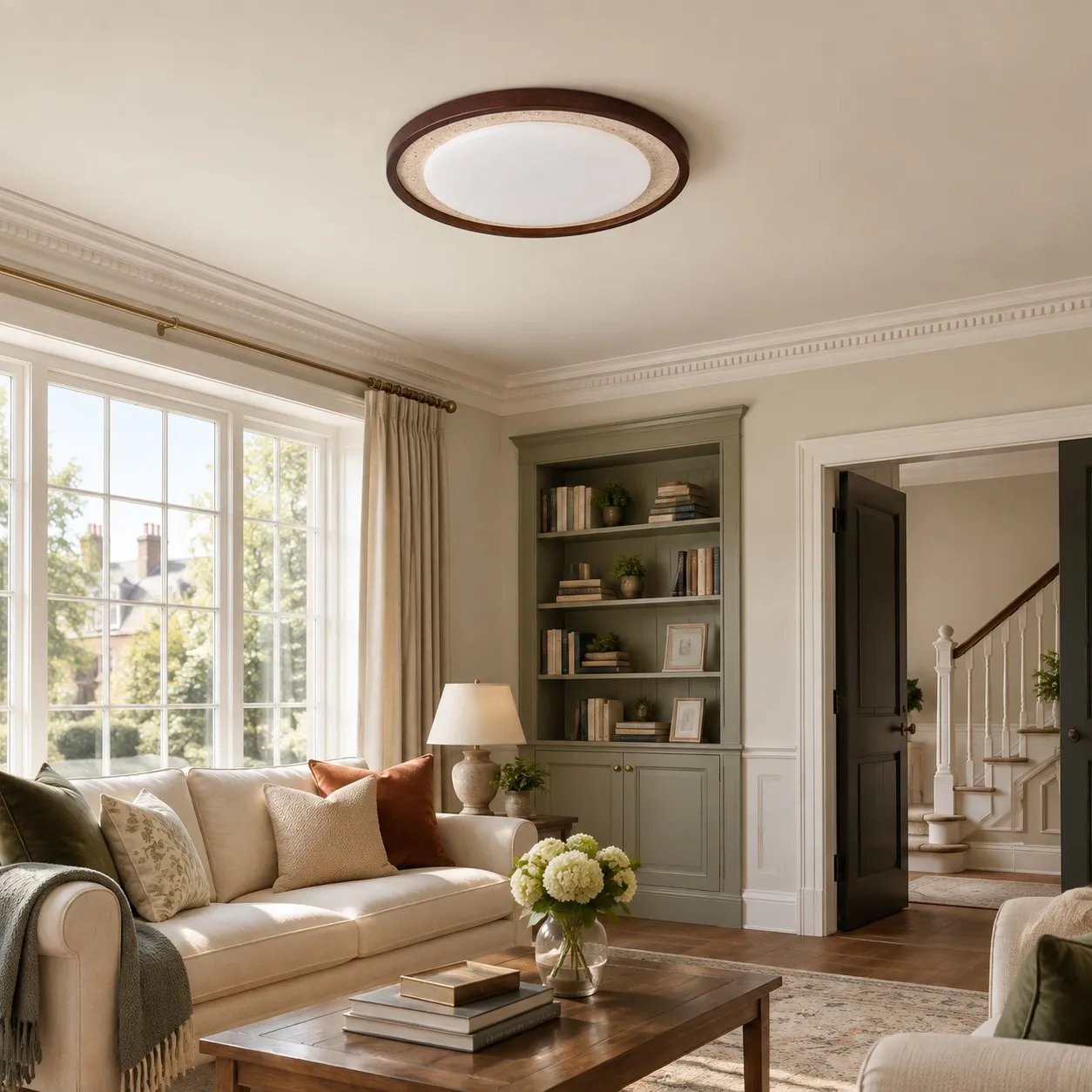
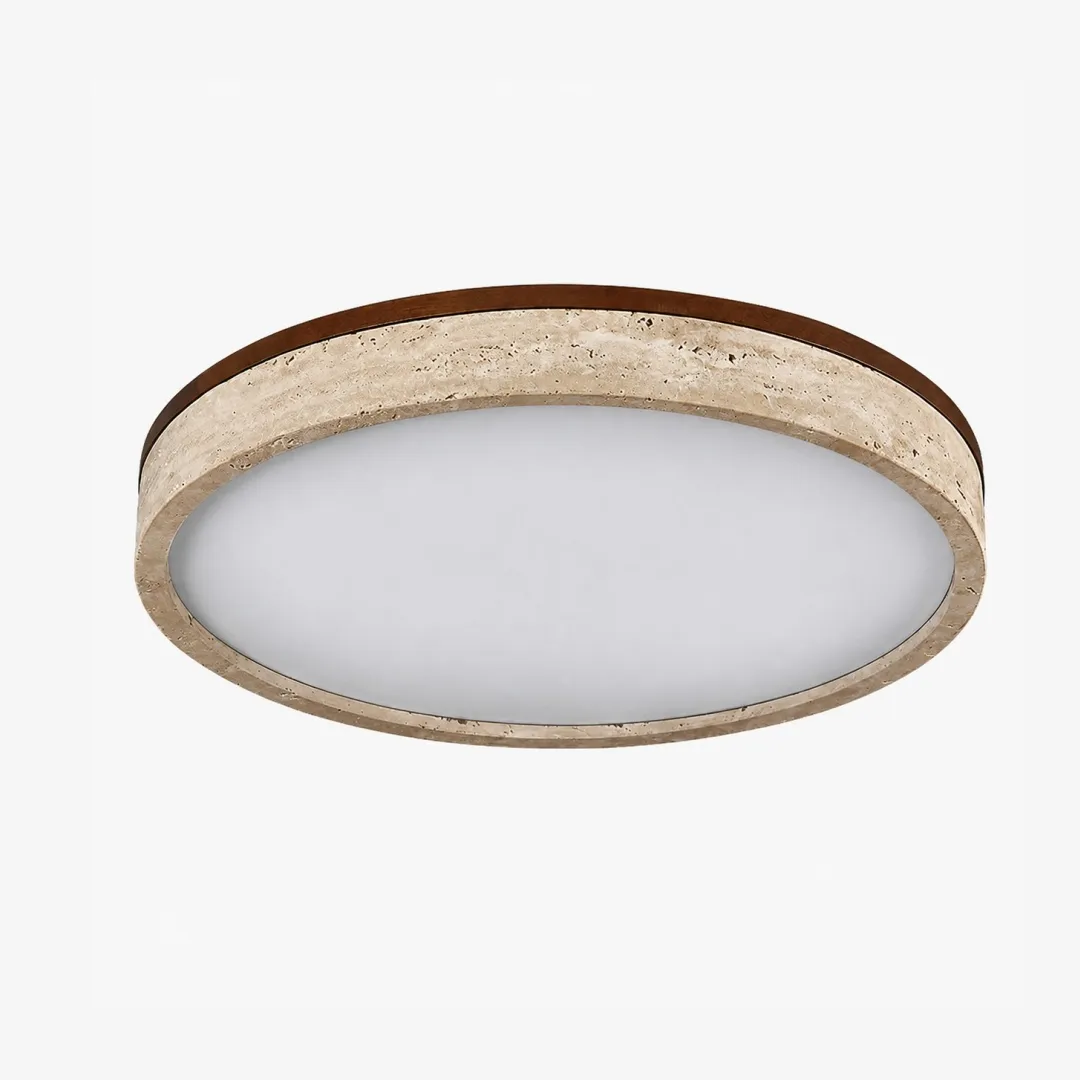
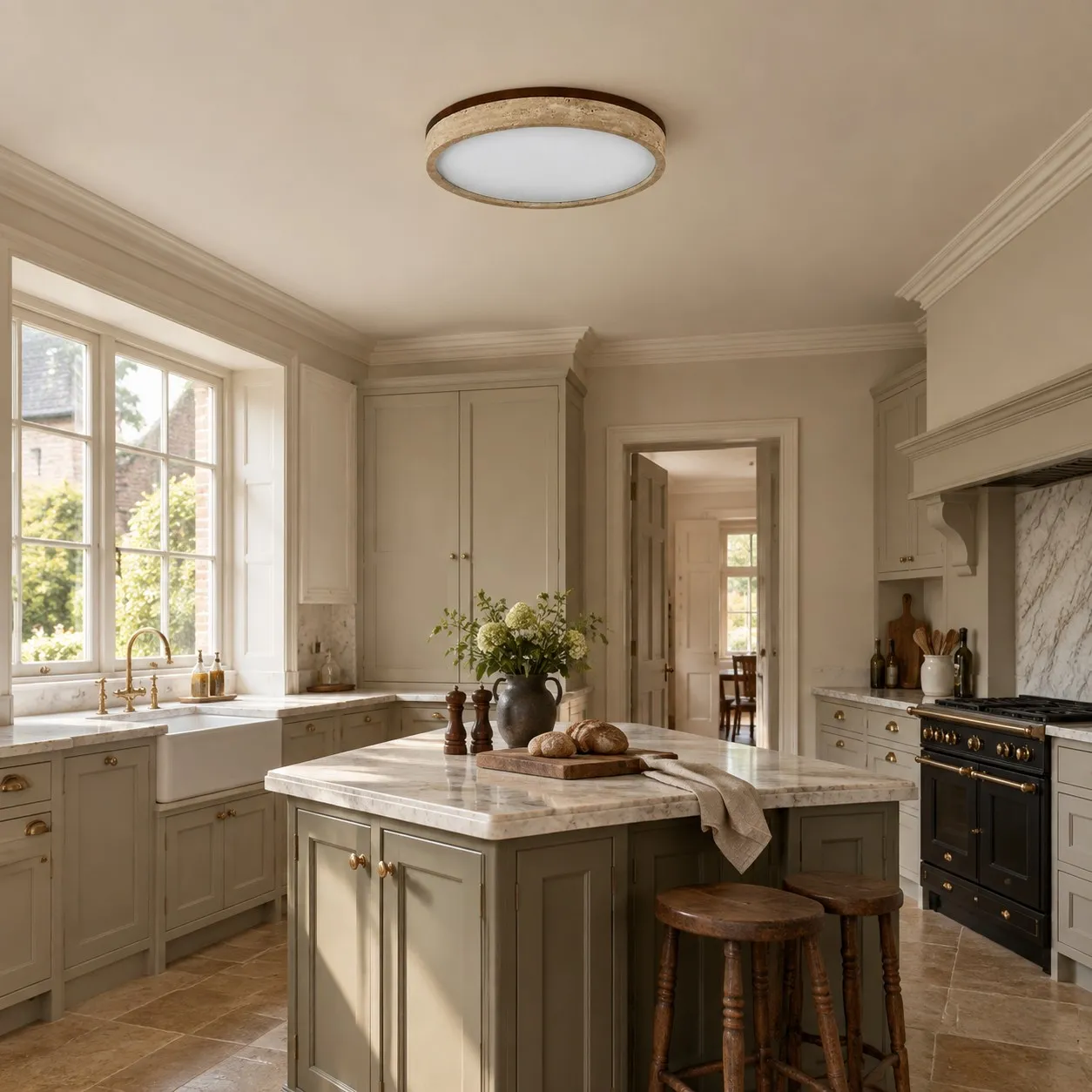
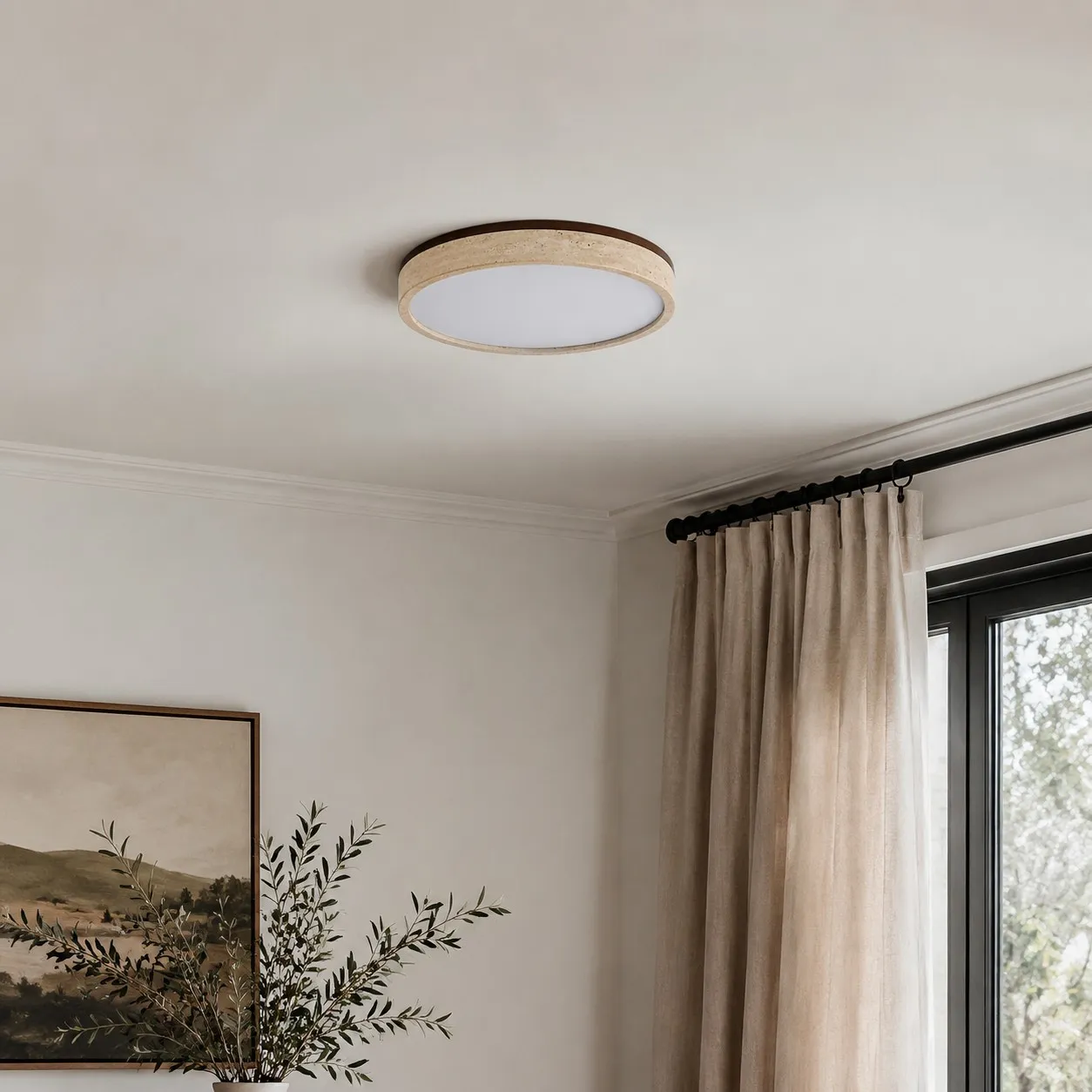
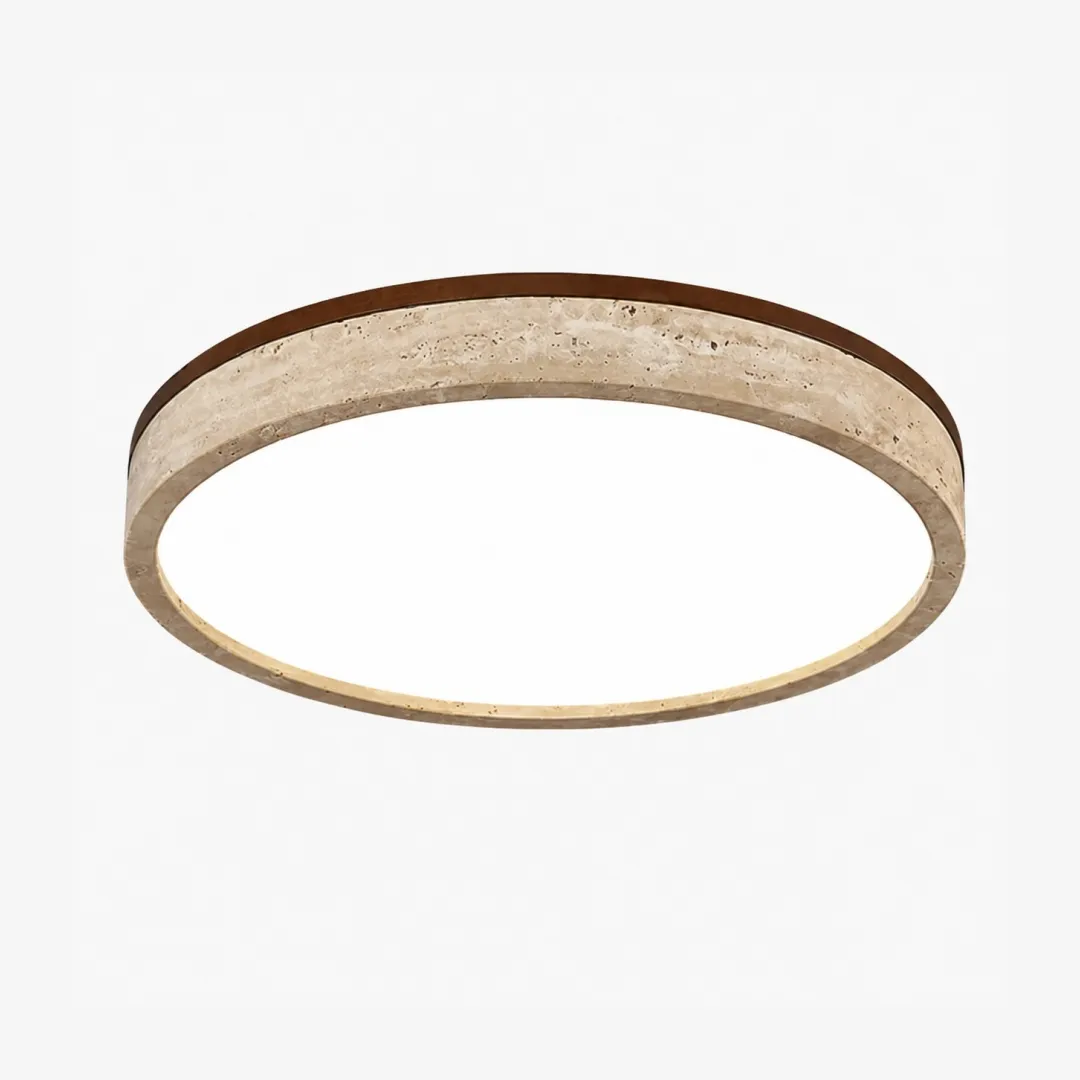
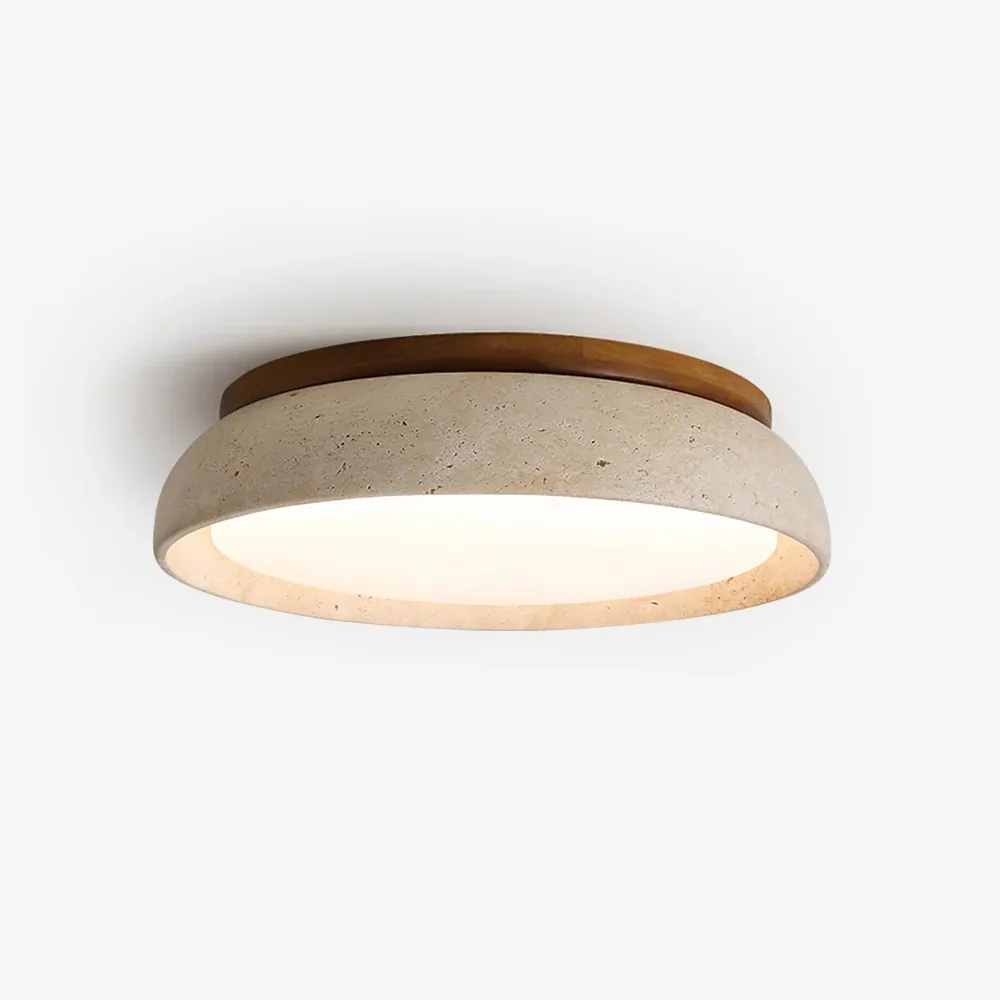
The Veliana travertine ceiling light is listed in two sizes: 30 cm diameter by 7 cm high and 43 cm diameter by 7 cm high. Its flush profile limits the vertical drop, which can help in rooms with lower ceilings. Diameter still matters: use the smaller option when circulation space and visual quiet are priorities, and consider the larger option where the fixture needs to hold its own above broader furniture arrangements.
For a direct room-by-room comparison, see small or large travertine ceiling light: which size fits your space?
Step 3 Confirm the light output and controls
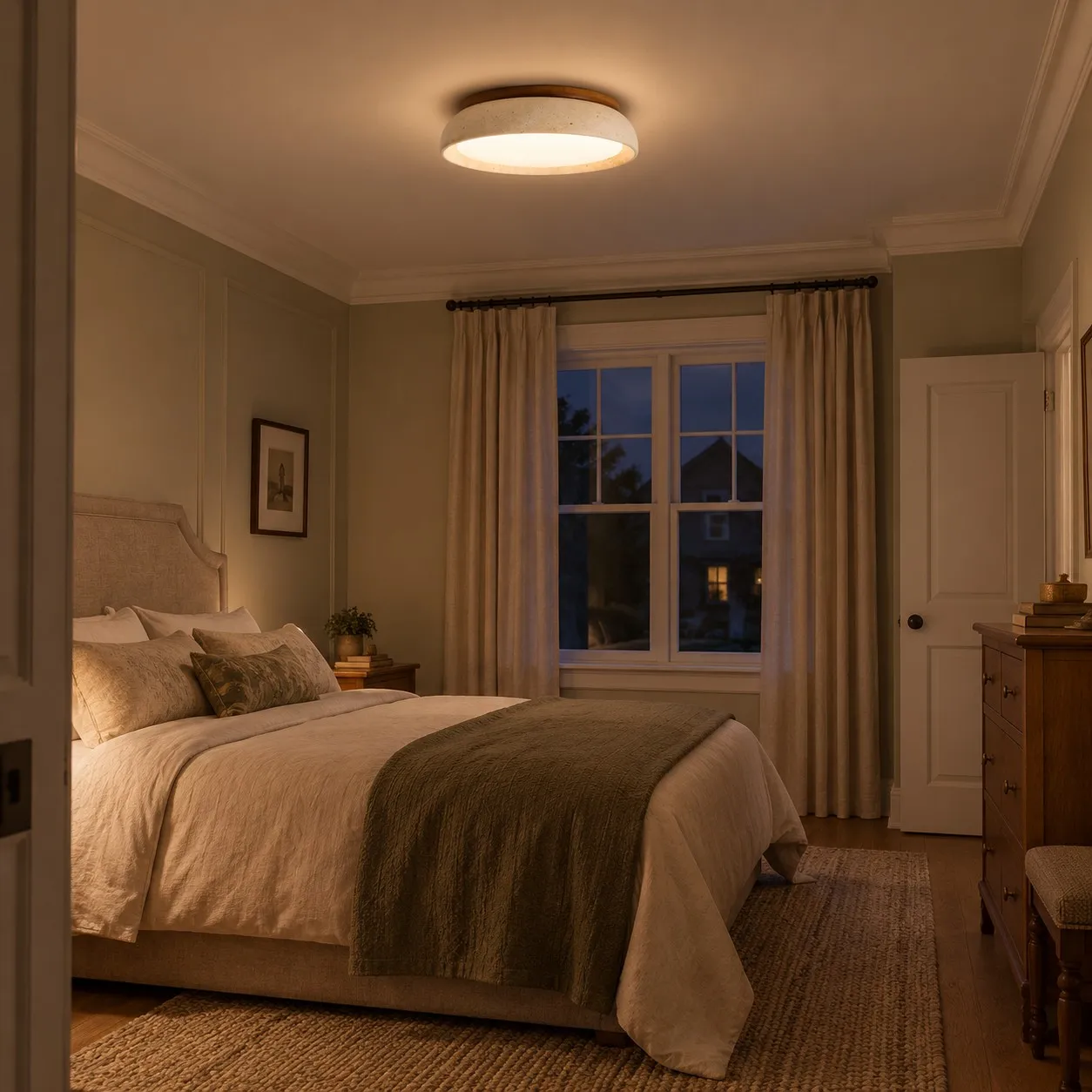
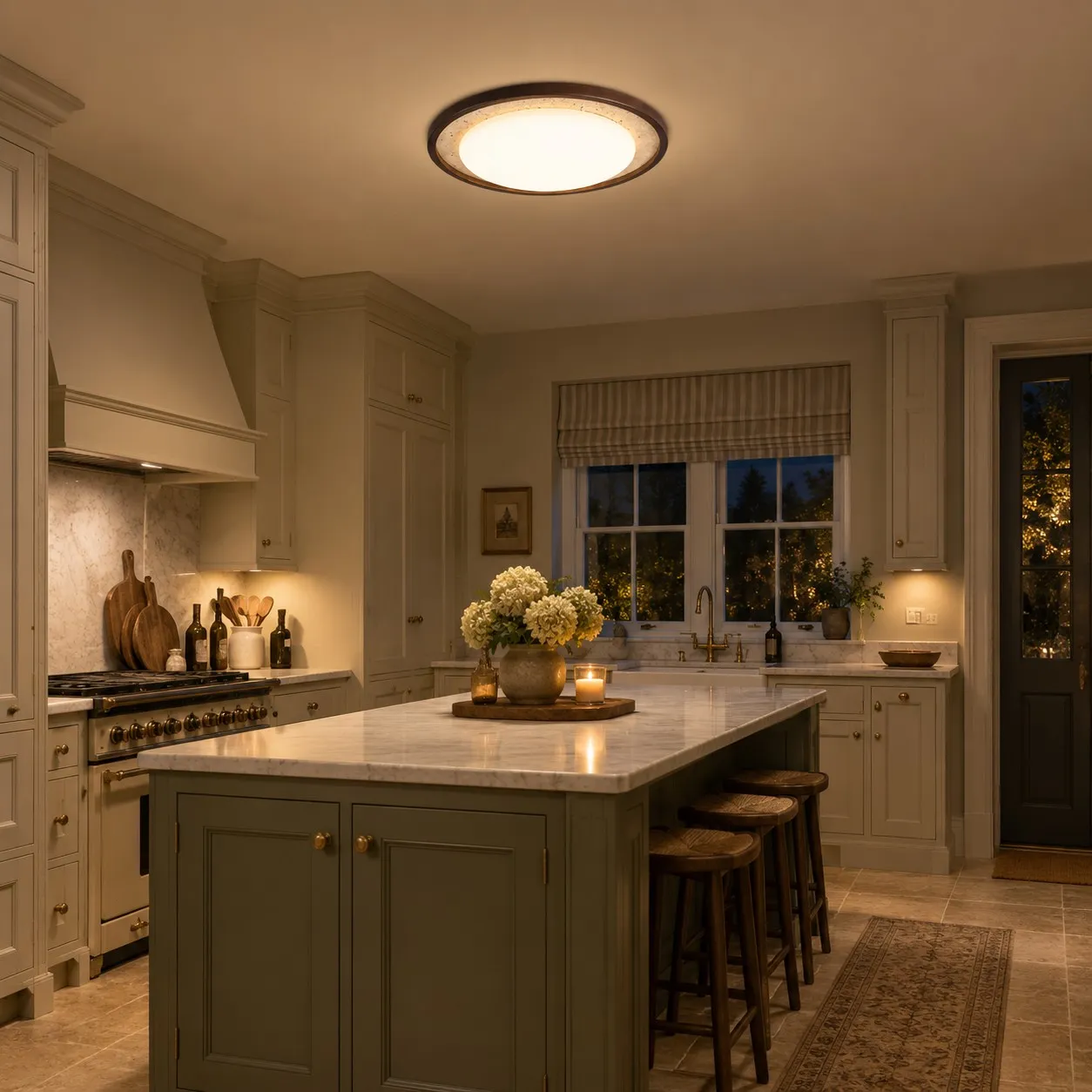
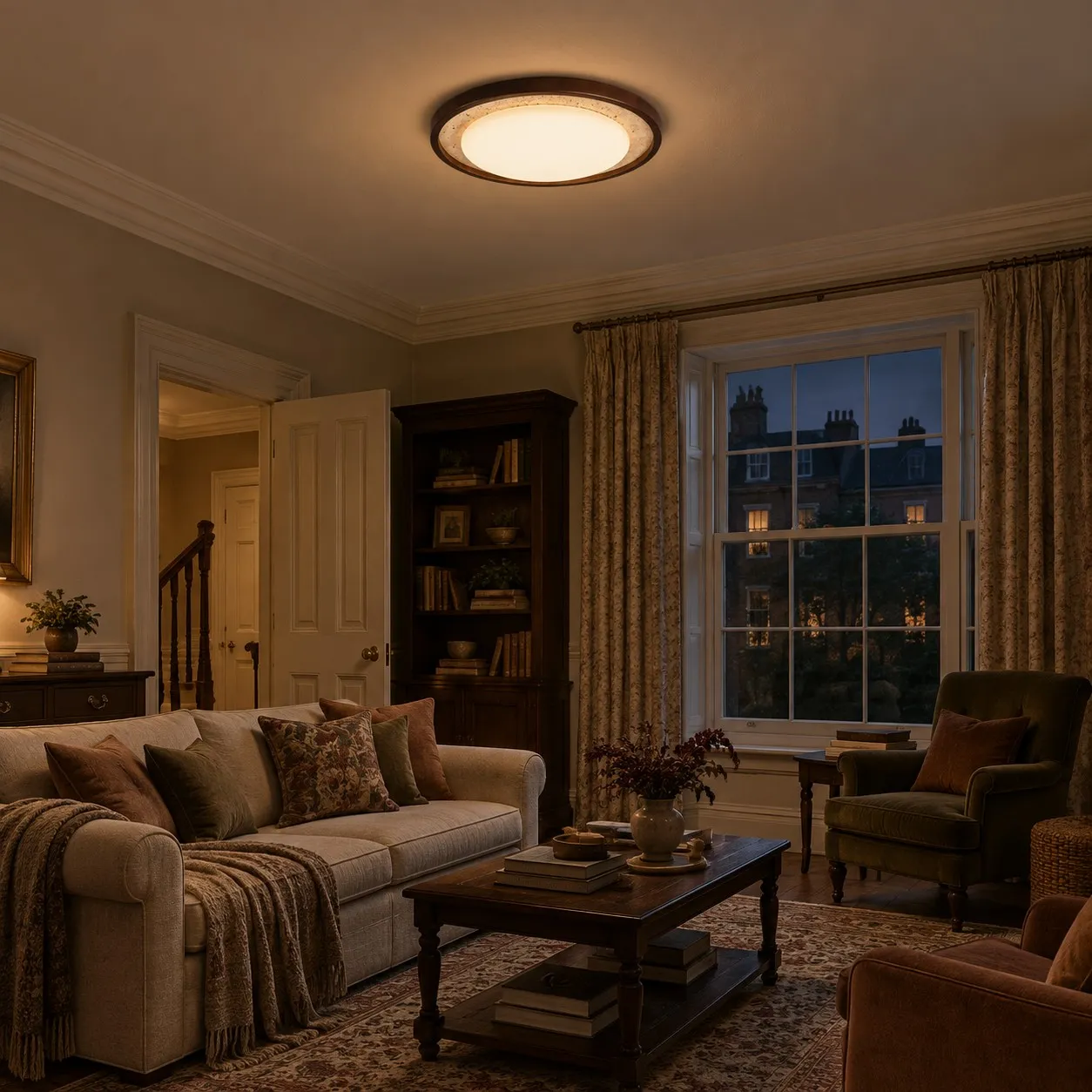
Check the product listing for light output, colour temperature, dimming and whether the source is replaceable. Do not infer these details from photographs. The Veliana page specifies an LED source and warm light. If a lumen value or dimming option is essential to your plan, confirm it for the exact variant before ordering.
Warm light generally supports bedrooms and sitting rooms, while work areas may need an additional neutral task source. Keep adjacent lamps reasonably consistent in colour temperature unless the difference serves a clear purpose. If you want dimming, verify compatibility between the fixture, driver and wall control.
Step 4 Check the ceiling and electrical installation
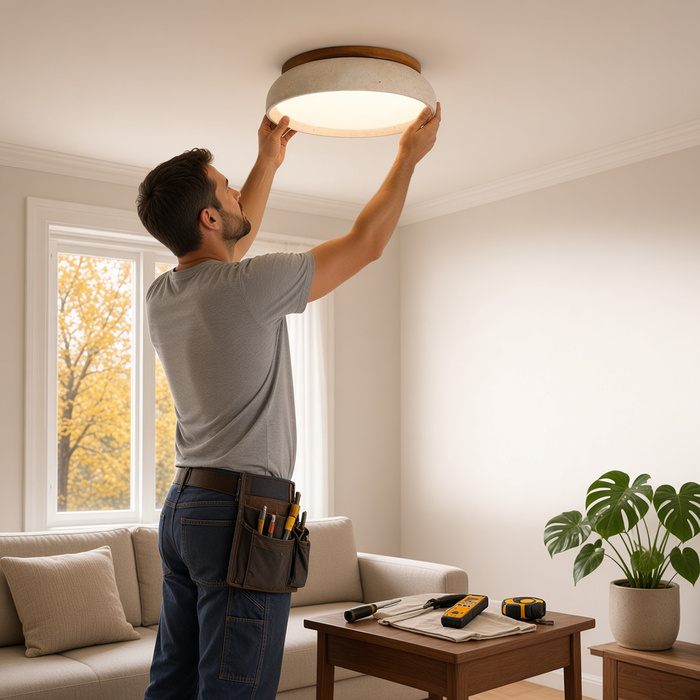
A natural stone fixture needs a secure fixing suited to both its weight and the ceiling construction. Identify whether the ceiling is solid or plasterboard and whether suitable support is available at the electrical point. The Veliana is hardwired, so the connection is part of the installation plan rather than an afterthought.
Electrical work must follow applicable UK requirements. The government's Approved Document P explains the framework for electrical safety in dwellings. Use a qualified electrician where needed, especially when changing wiring or installing in a location with additional restrictions.
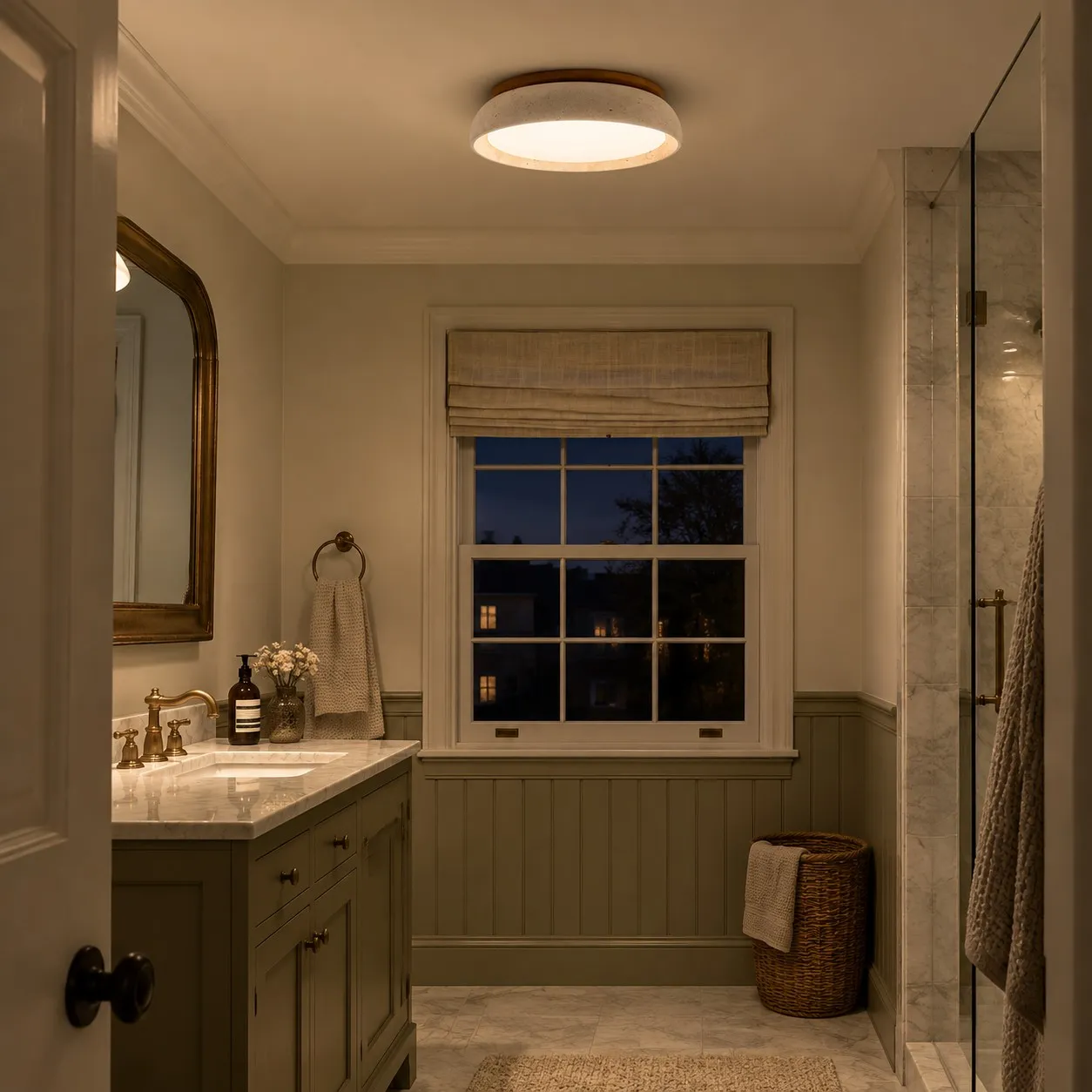
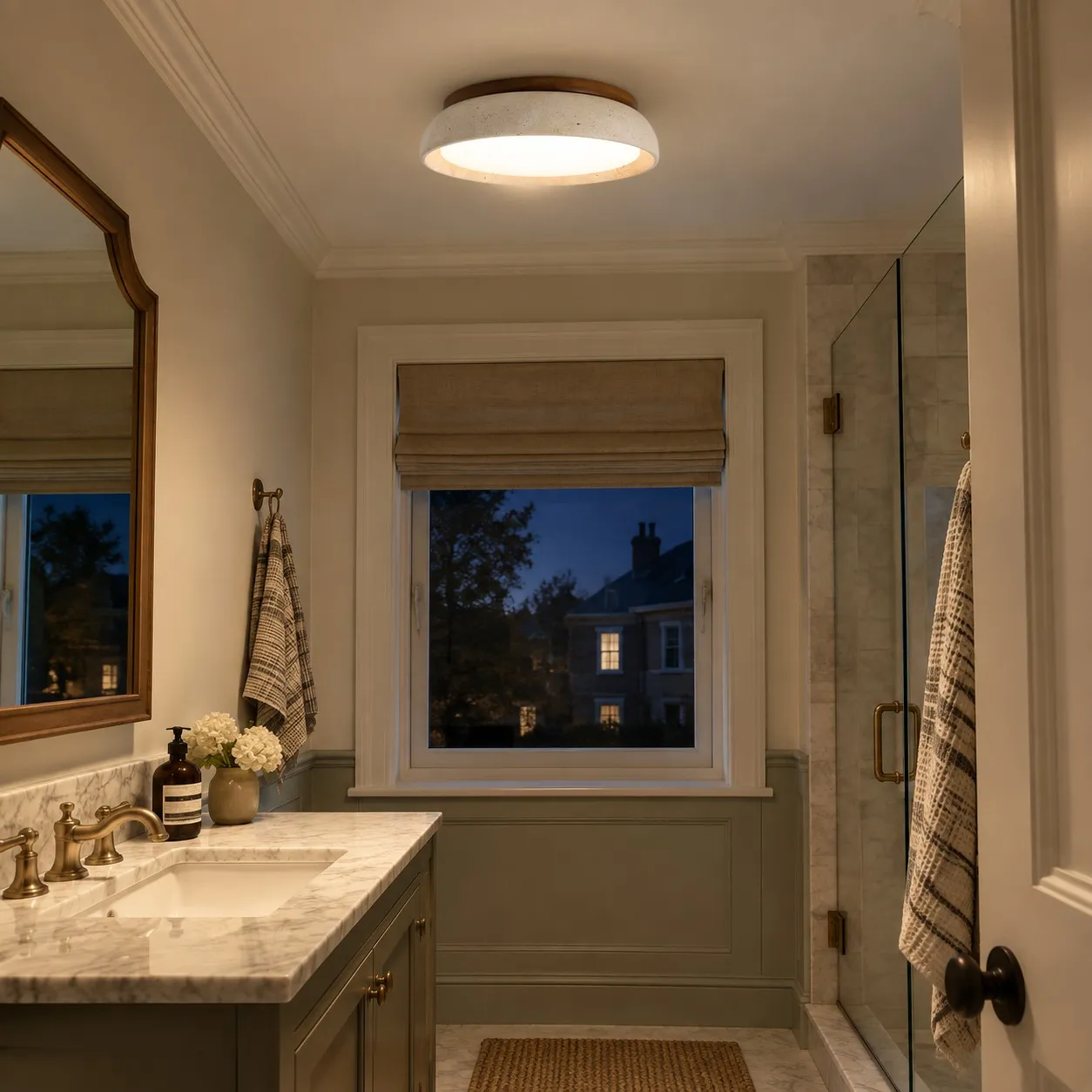
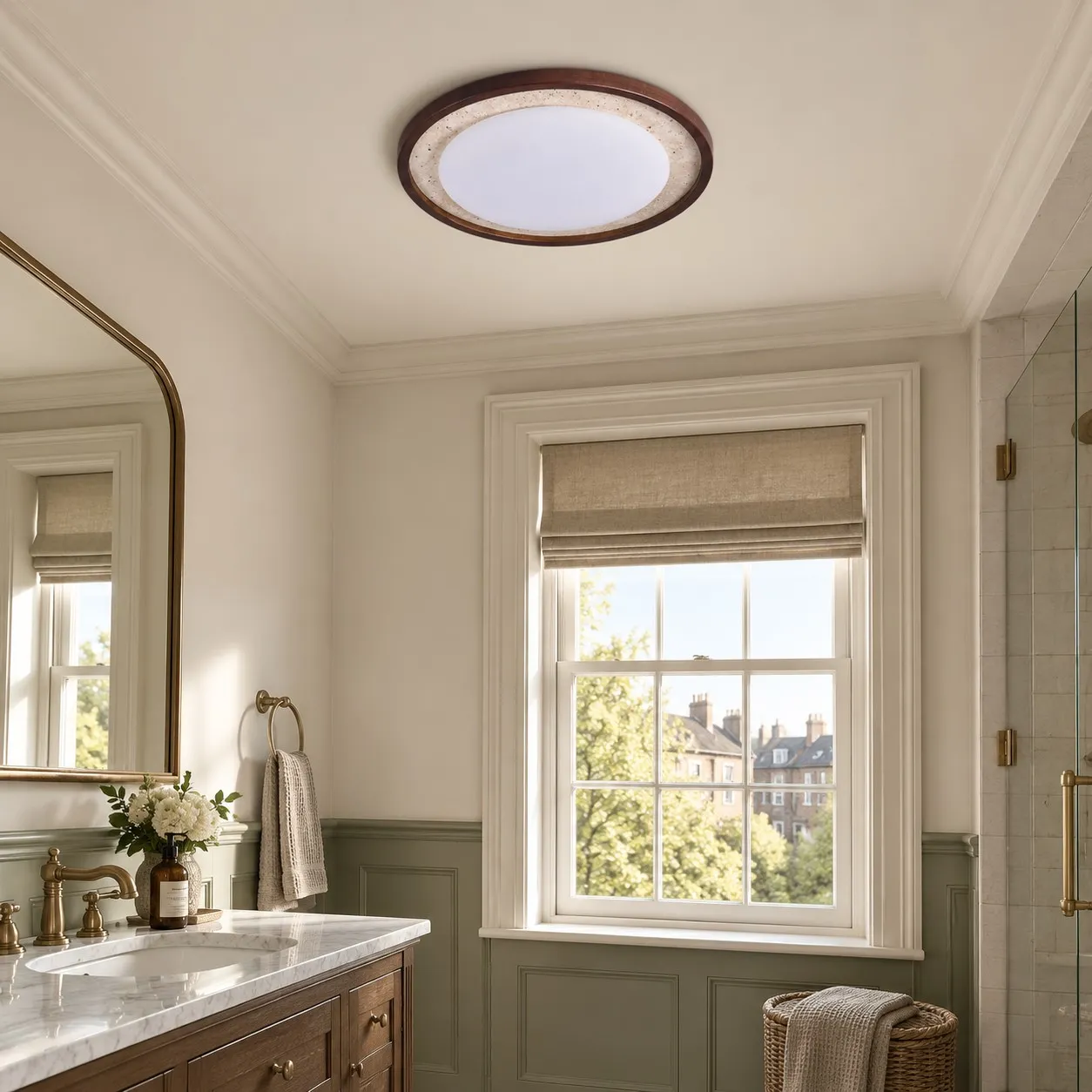
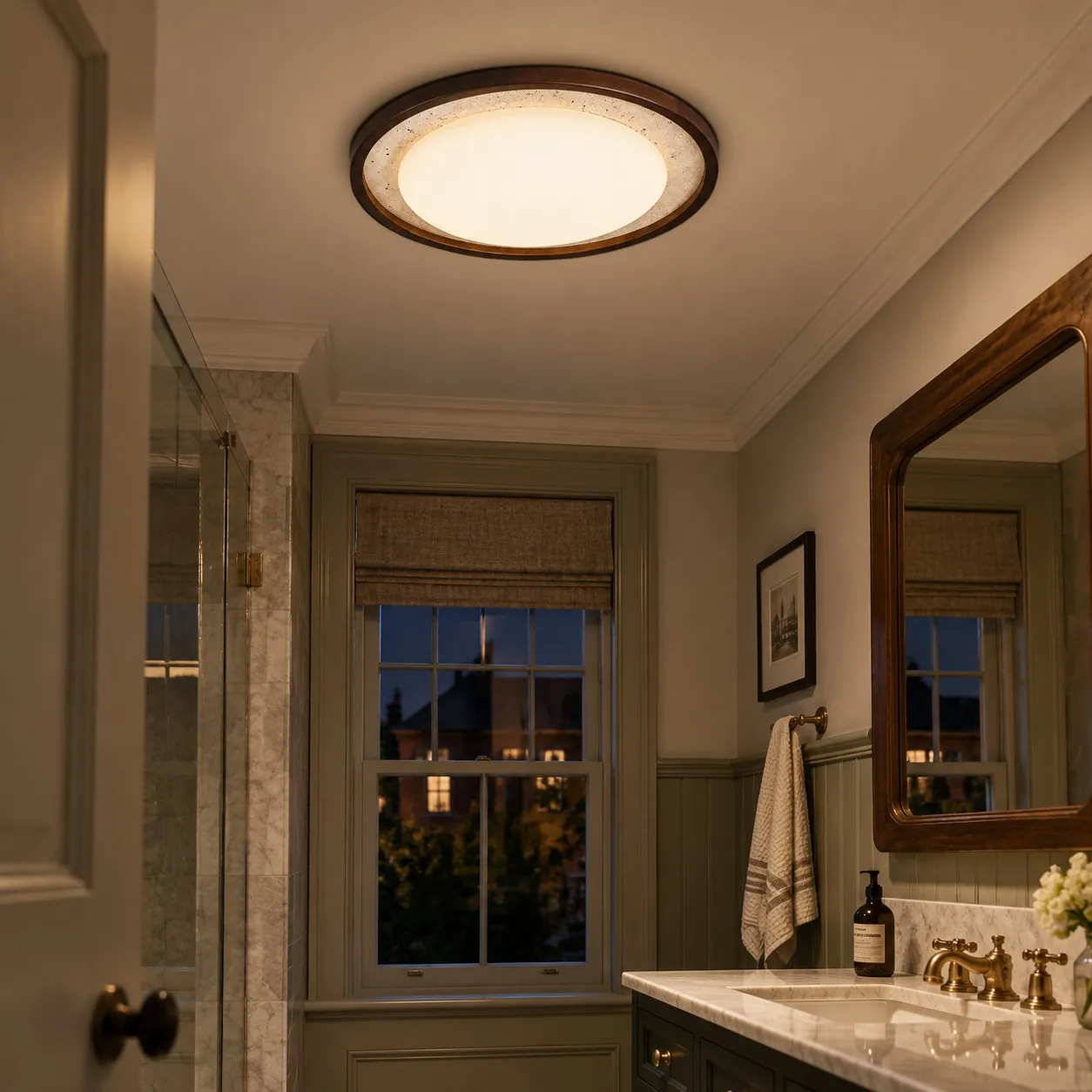
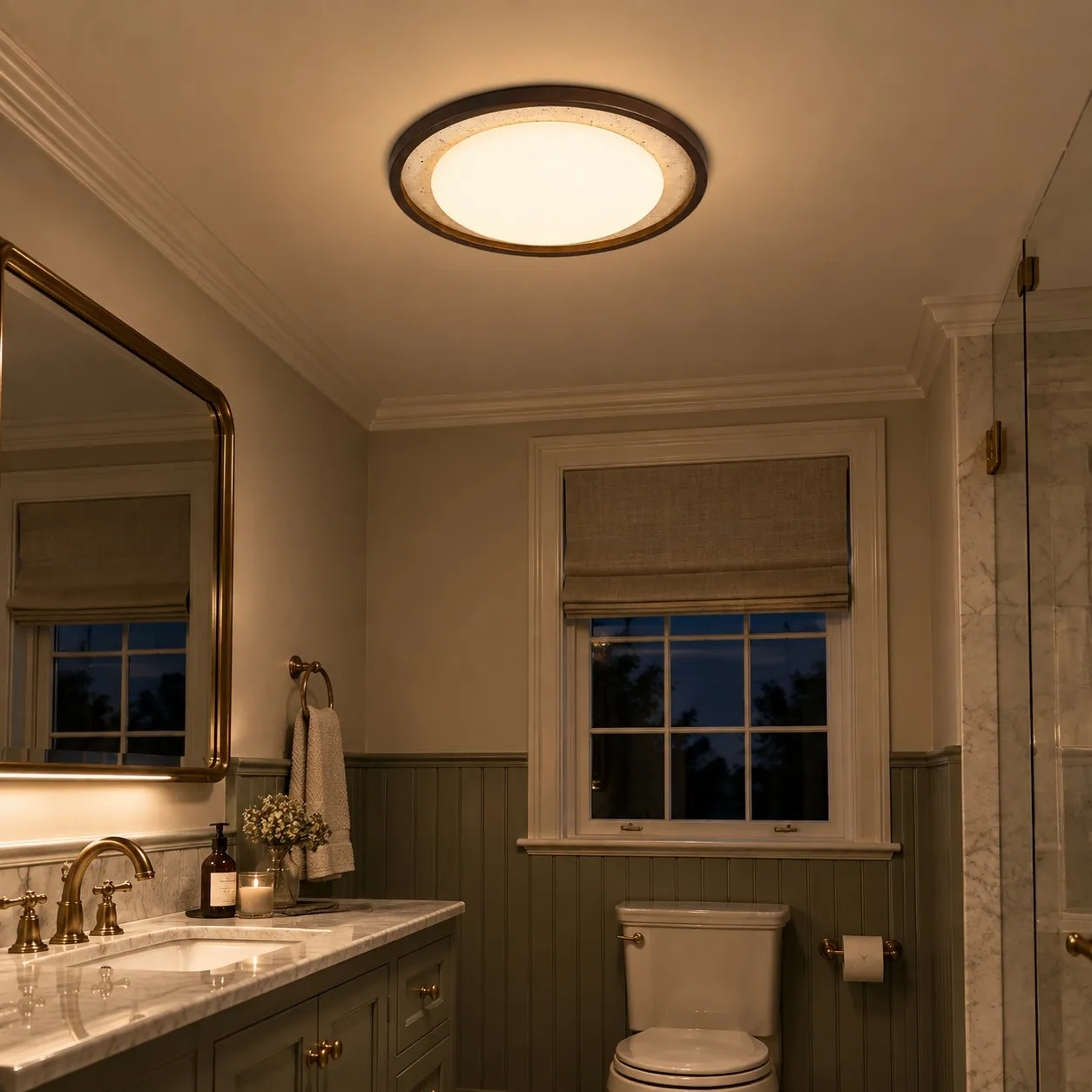
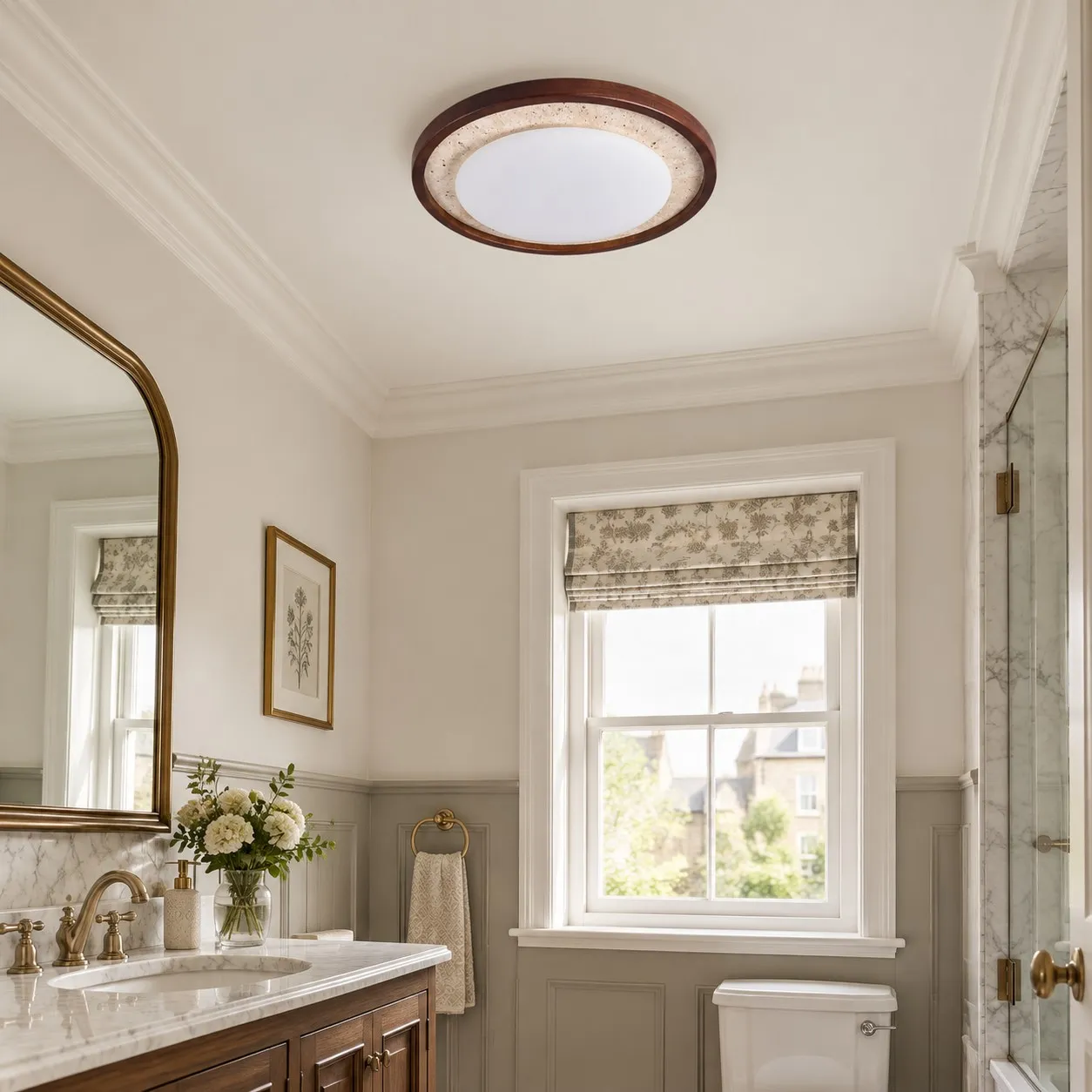
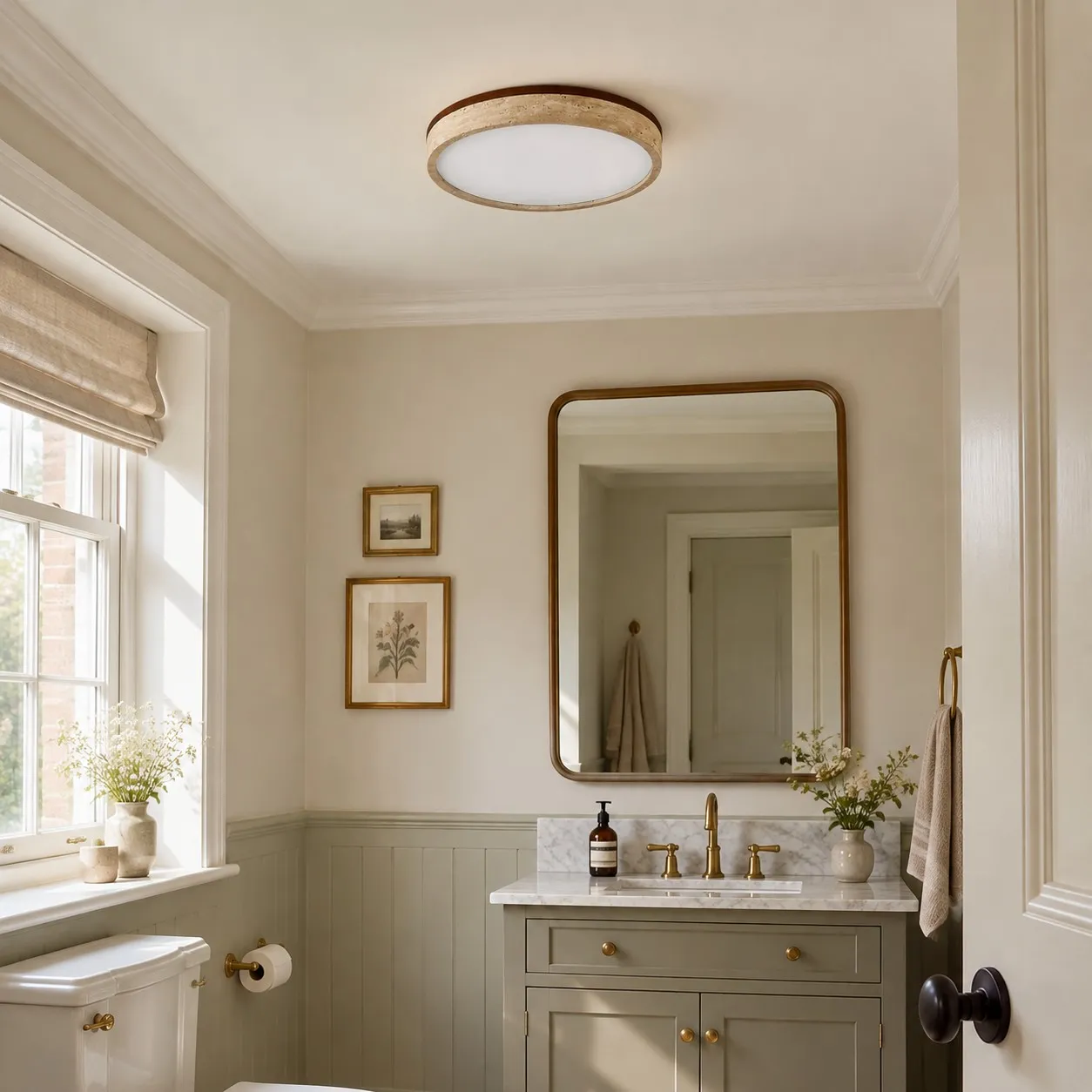
Bathrooms require a separate suitability check. Product styling or a general room suggestion does not establish an IP rating or bathroom-zone approval. Confirm the exact specification and proposed location before purchasing.
Step 5 Expect natural variation
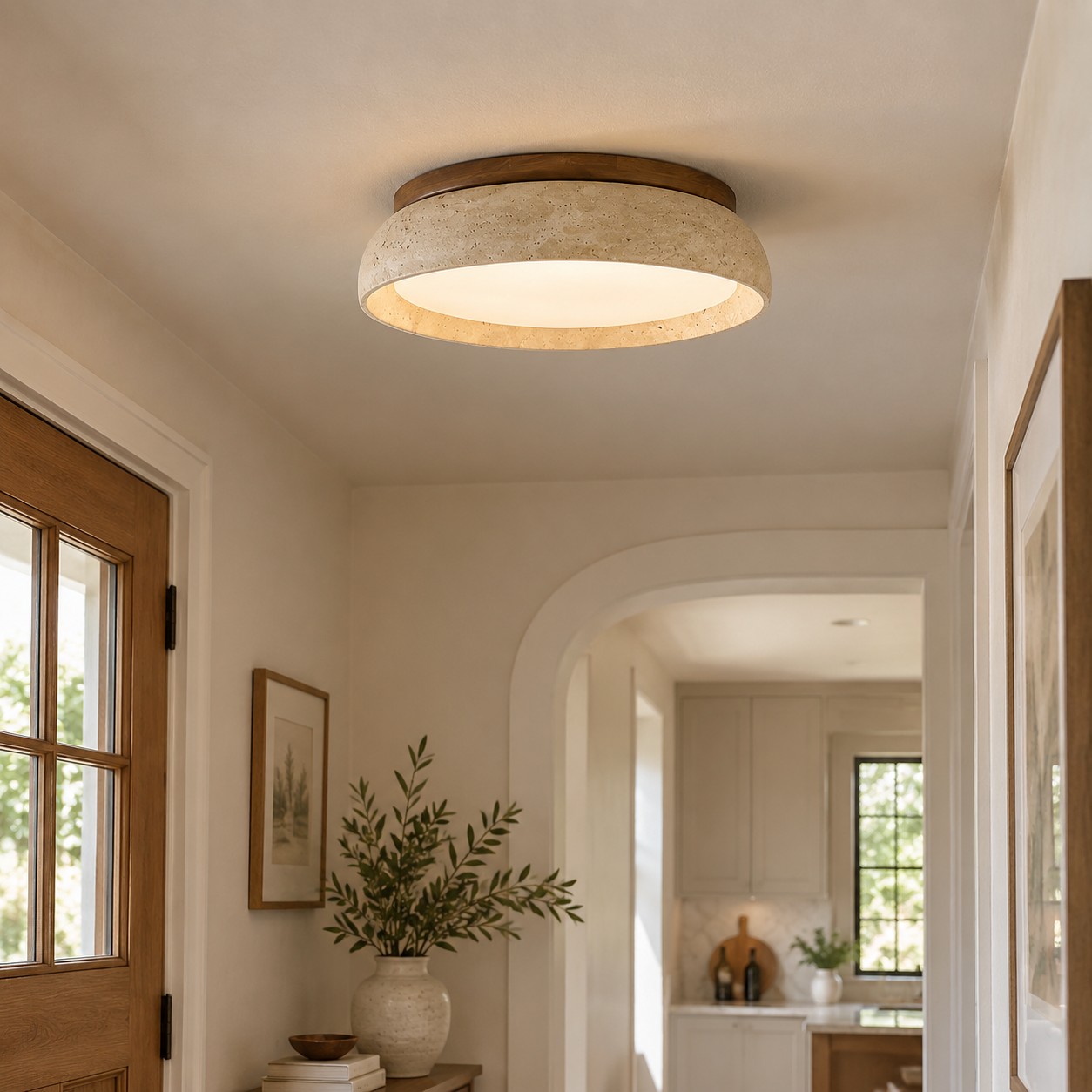
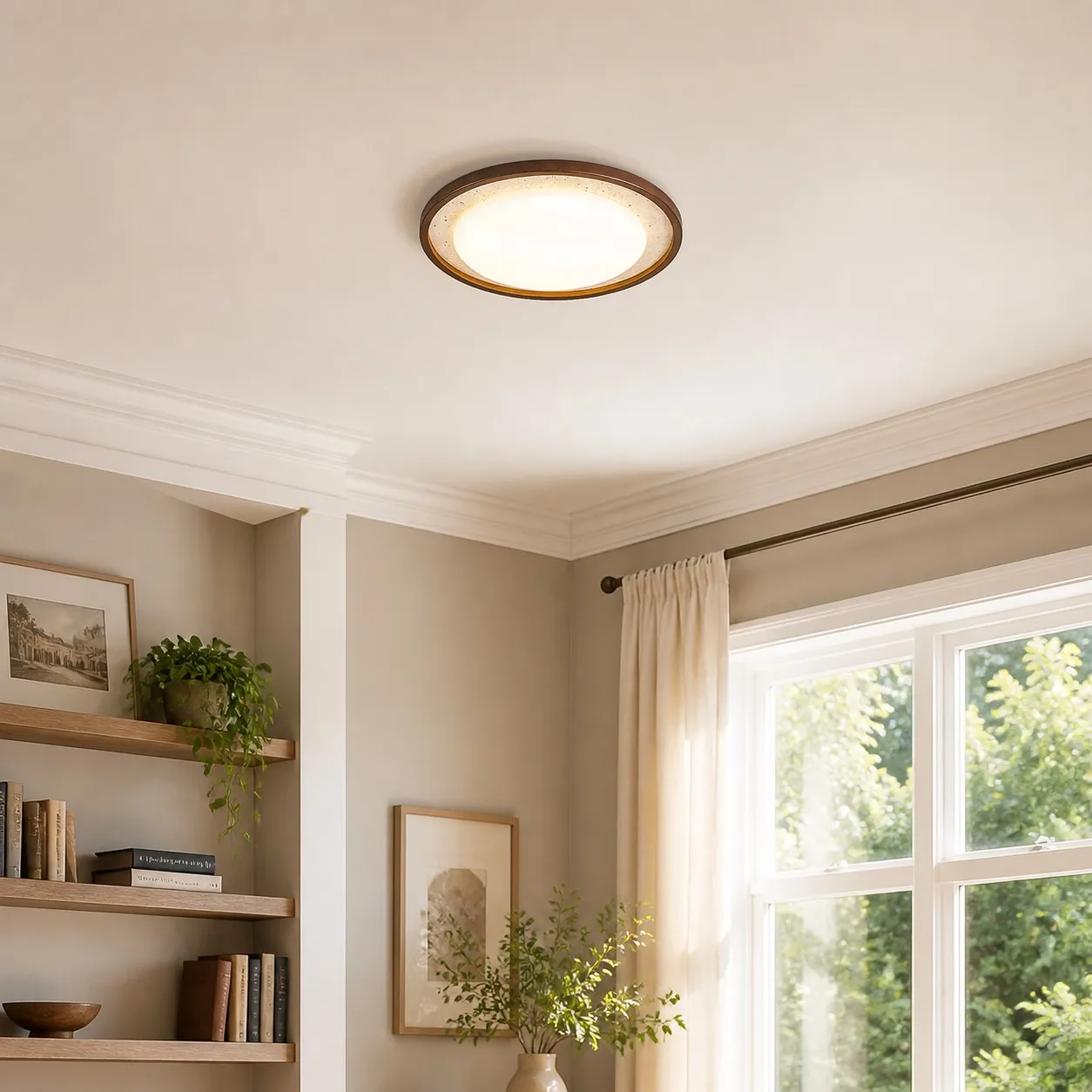
Travertine is a natural material, so colour, pores and markings vary. Treat those differences as part of the design rather than expecting every piece to match a screen image exactly. Compare the stone against permanent finishes such as flooring and joinery, but allow for a reasonable range of warm beige and mineral tones.
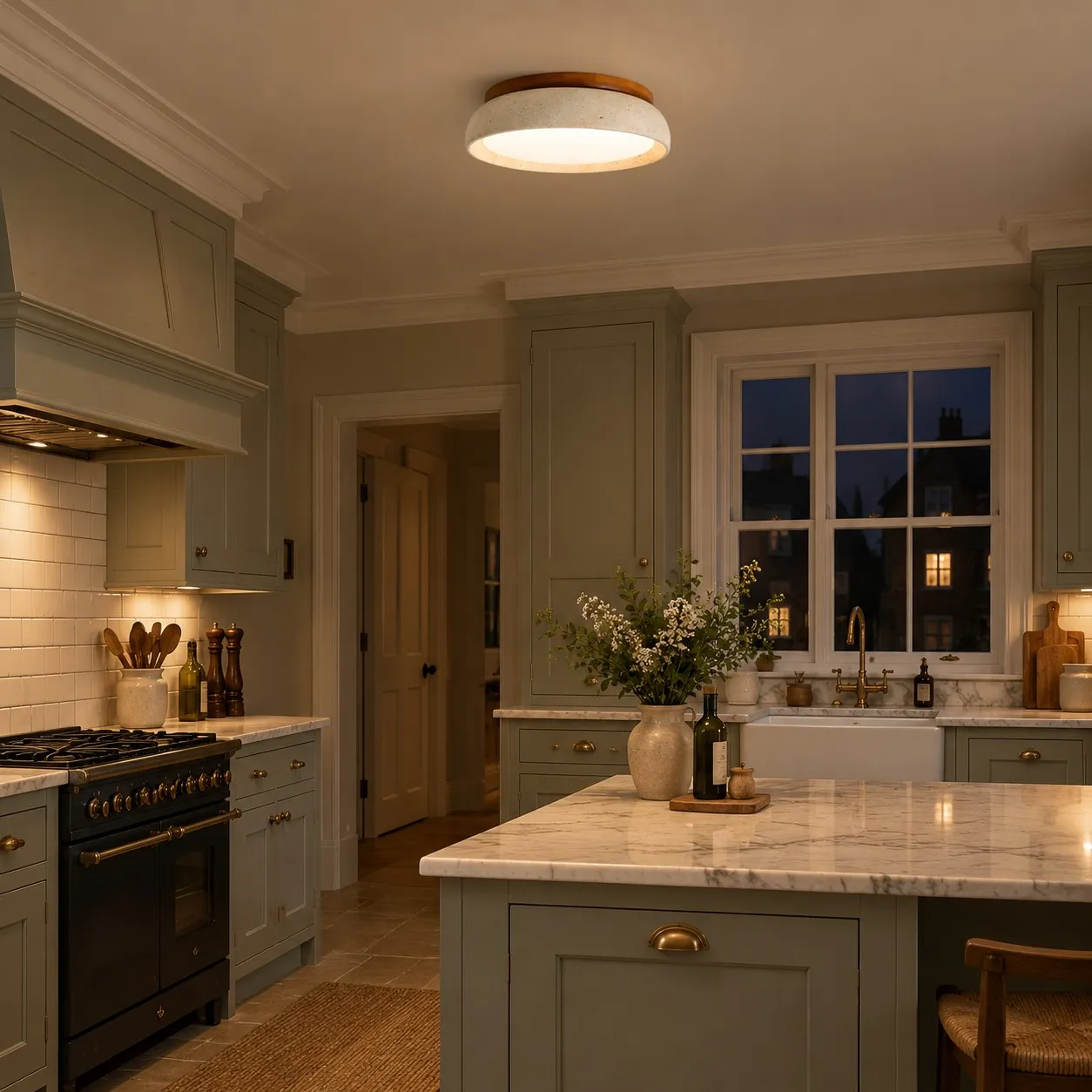
The fixture also includes acrylic and wood, with beige and walnut listed as the colours. That mix works naturally with warm whites, oak, walnut, muted green and soft grey. For a complete room scheme, read how to style a travertine ceiling light in a Wabi-Sabi home.
Step 6 Plan for cleaning and long-term use
Choose a fixture you can reach safely for dusting and inspection. Switch off the power and let the light cool before cleaning. A soft dry cloth is the cautious default unless the product instructions state otherwise. Travertine is a calcareous stone, so acids and harsh abrasives can damage the surface. The Natural Stone Institute provides general care guidance for natural stone.
Final buying checklist
- The fixture supports the room's main activity.
- The diameter looks balanced when marked on the ceiling.
- The 7 cm depth leaves comfortable clearance.
- The verified light output and warm colour suit the lighting plan.
- The ceiling can support the fixture and the wiring is suitable.
- Any bathroom location has been checked against the exact product specification.
- You are comfortable with natural stone variation and gentle cleaning.
If the stone material is no longer essential to the scheme, use the broader ceiling-light ranges to compare other finishes and profiles that meet the same room requirements.
The ceiling lights collection covers a wider choice of fixture types.
Compare profiles as well as finishes so the alternative still suits the available ceiling height and the room's main activity.
The flush ceiling lights collection narrows that choice to shallow fittings where headroom is important.
Frequently asked questions
Is a travertine ceiling light suitable for a low ceiling?
A flush design can preserve more headroom than a pendant. Check the stated depth, the ceiling height and any nearby doors or cupboards before choosing.
How do I know which diameter to buy?
Mark each diameter on the ceiling and view it from the doorway and main seating position. Consider the furniture grouping below, not only the total floor area.
Is every travertine light identical?
No. Natural stone varies in colour, pores and veining. Product photographs show the general character rather than an exact duplicate of every piece.
Can an integrated LED ceiling light be dimmed?
Only when the specific fixture, driver and control are compatible. Confirm the selected variant instead of assuming that all integrated LEDs are dimmable.
Can I install a travertine ceiling light myself?
Hardwired installation must comply with applicable electrical rules and the ceiling must support the fixture. Use a qualified electrician when the work or location requires one.