The Lamp That Turns a Forgotten Landing into a Visual Pause
A stair landing can carry a pendant beautifully when there is a genuine patch of ceiling outside the walking line. The lamp should be visible from the approach, clear of doors and handrails, and supported by separate light on the stairs. If any of those conditions fail, the landing needs a flush fitting or wall light instead.
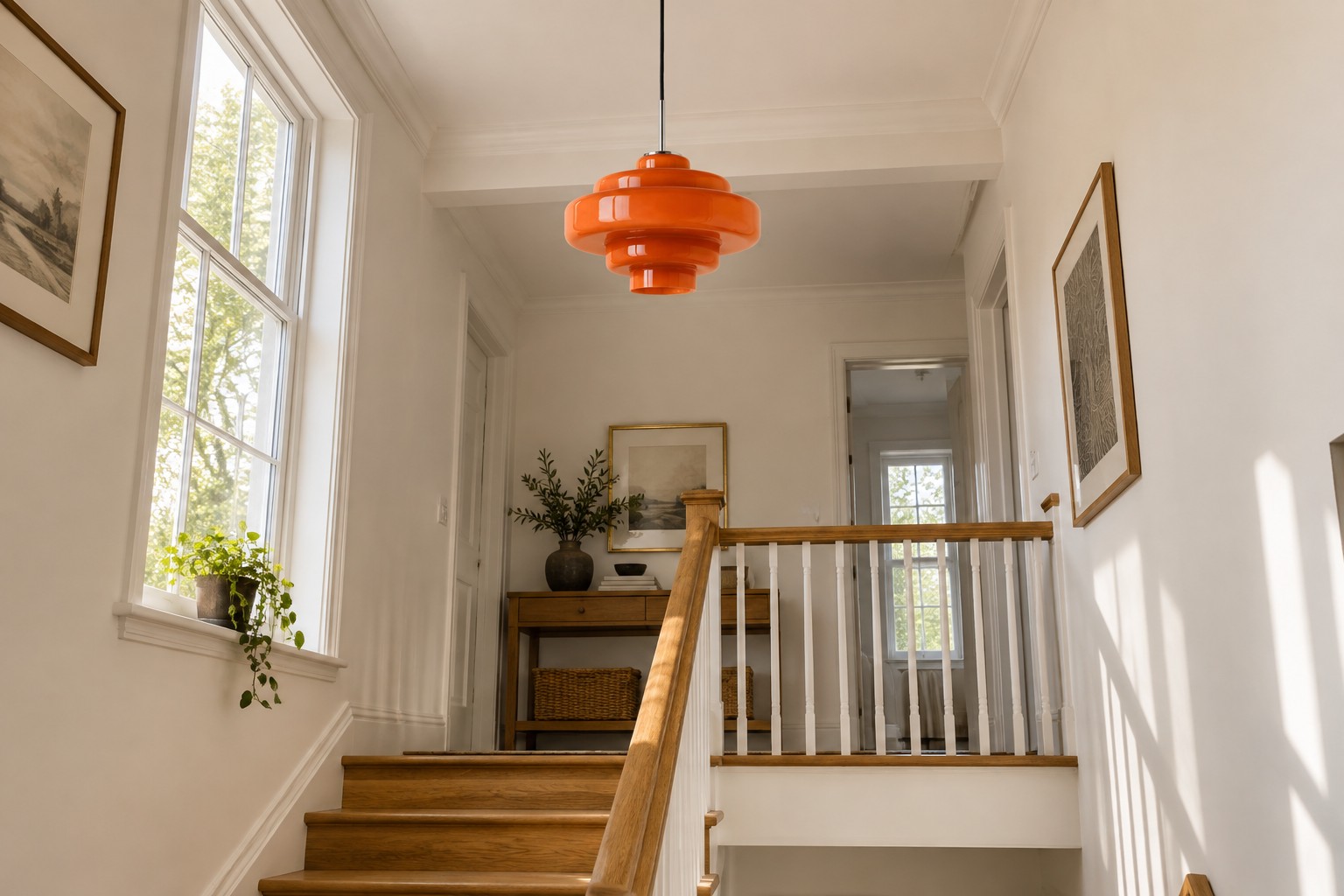
The appeal is easy to understand. Most landings contain plenty of architecture but very little intention: a turn, a short wall, perhaps a window that nobody quite knows how to dress. A compact orange glass pendant gives the eye a reason to slow down. It turns a piece of circulation into a small composition without filling the floor with furniture.
First, Find the Patch of Ceiling Nobody Walks Under
Ignore the geometric centre of the landing for a moment. Trace the route from the lowest tread to the next flight, then open every nearby door and cupboard. The useful hanging point is the quiet zone left over: often beside a half-landing window, above a shallow console or just beyond the turn of the handrail.
Try a full-size rehearsal: make a 30 cm paper circle, suspend it at the proposed bottom height and walk the route from both directions. Carry a laundry basket or weekend bag. If the mock-up interrupts your shoulder, your upward view or a door swing, the real pendant will feel worse.
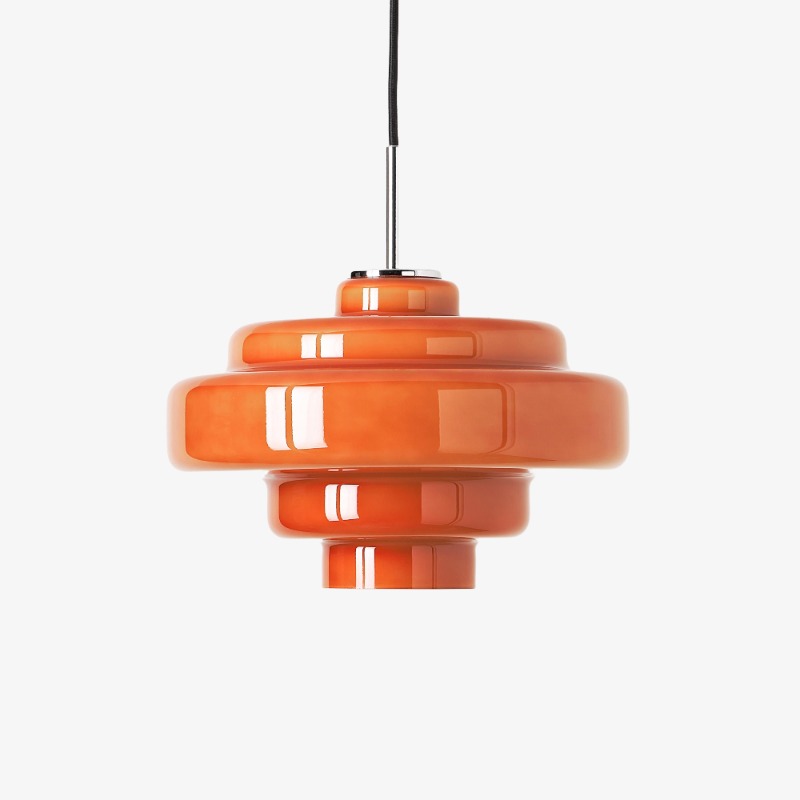
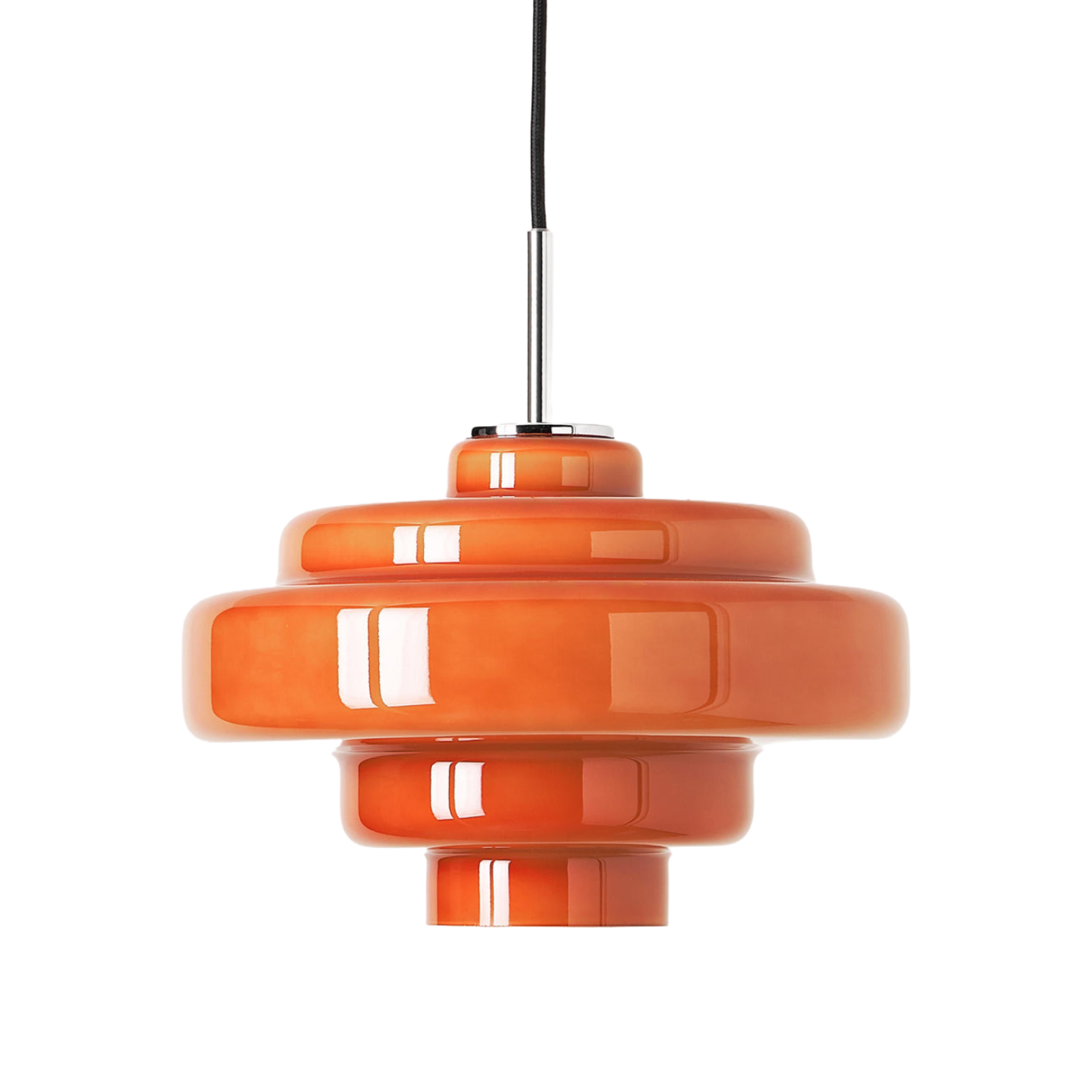
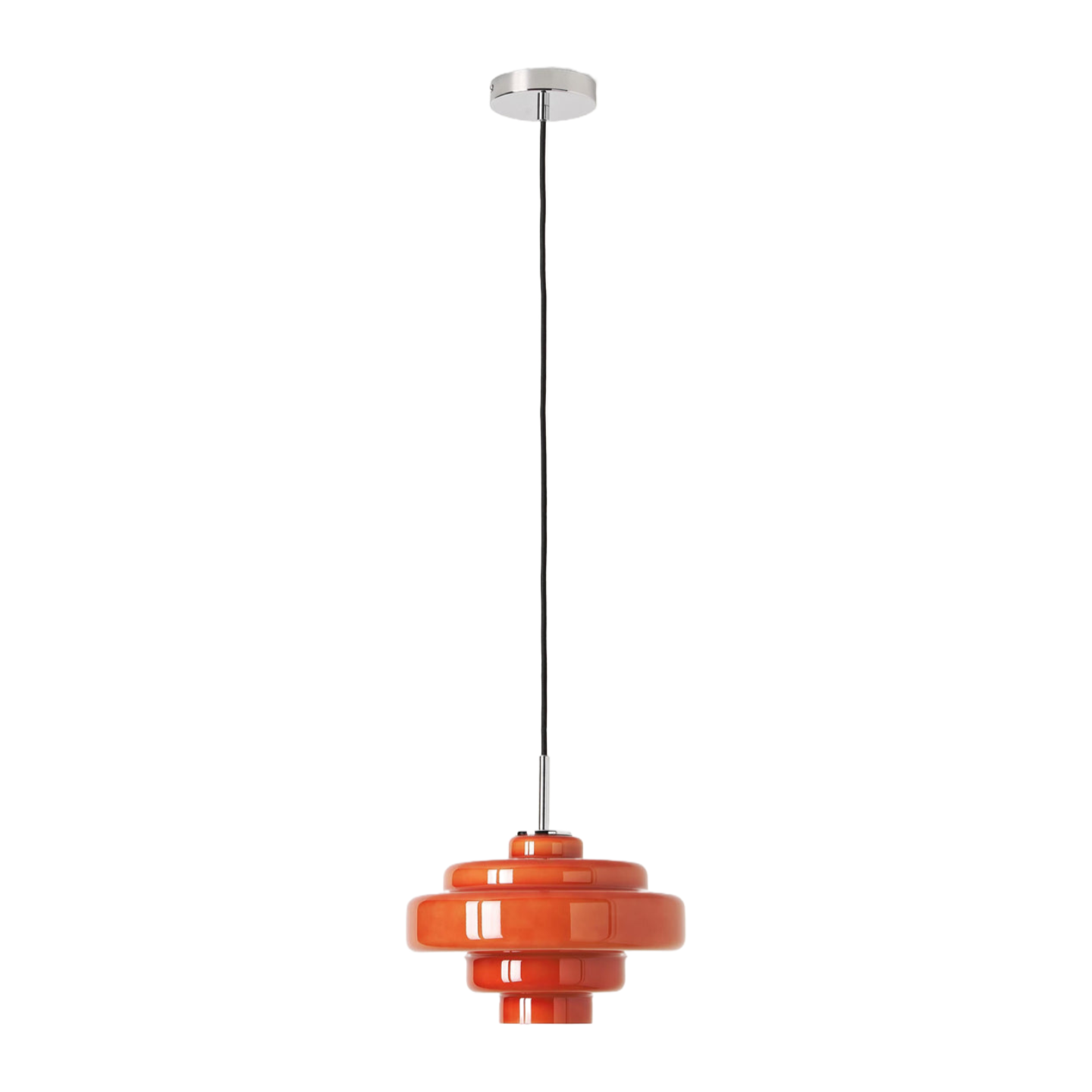
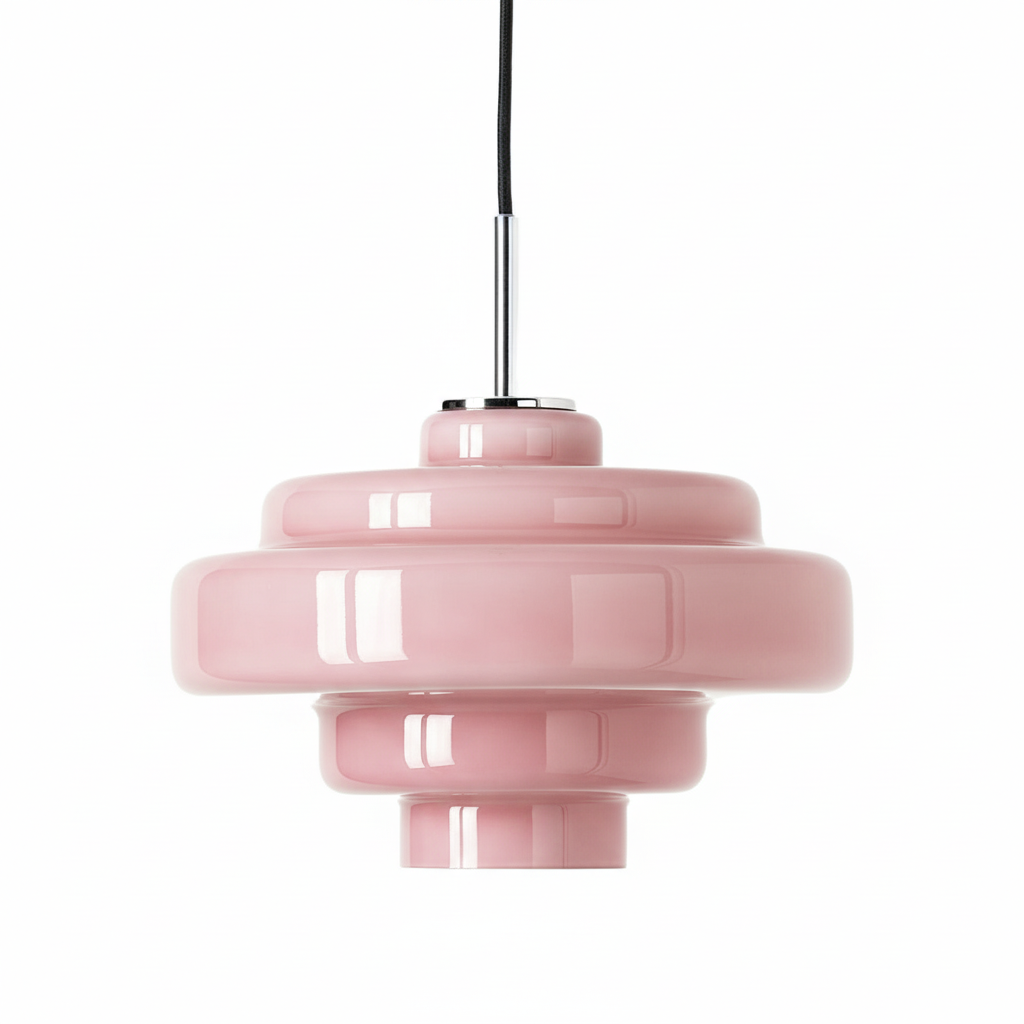
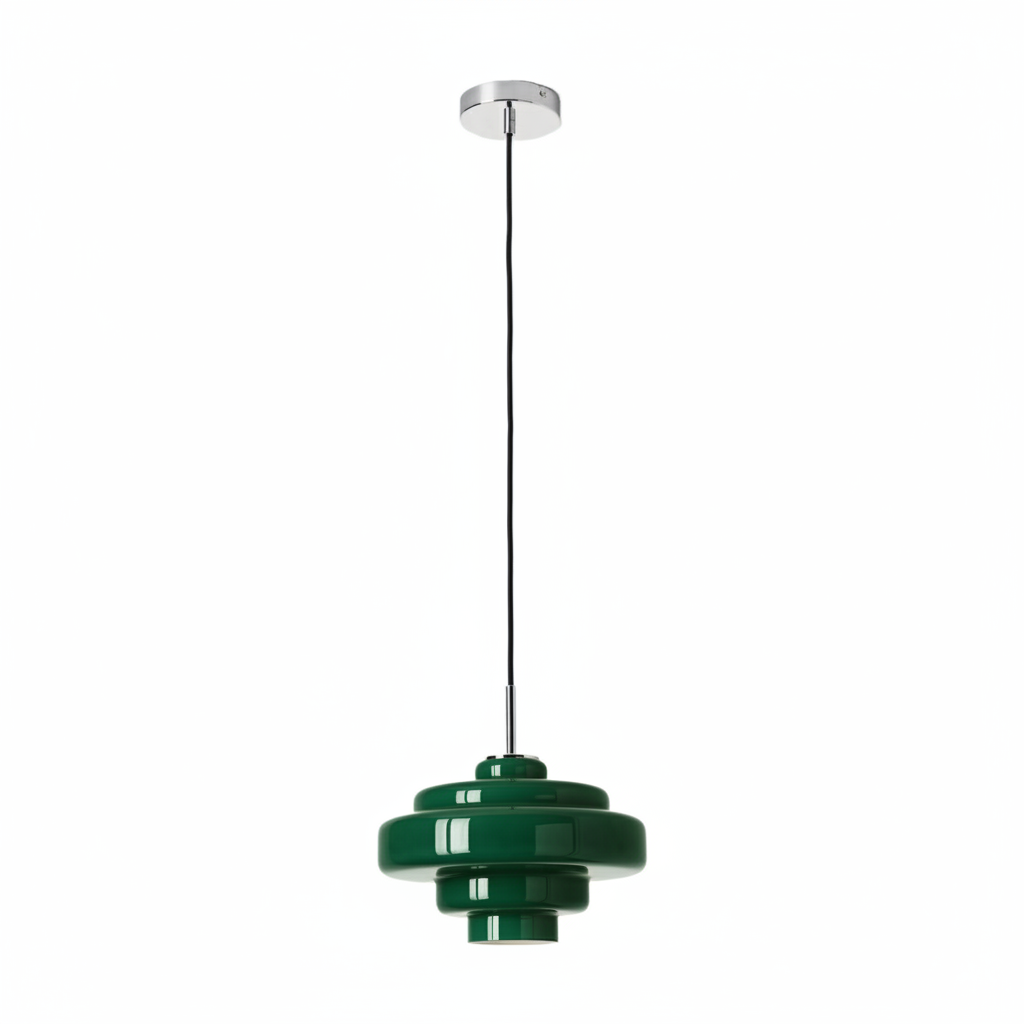
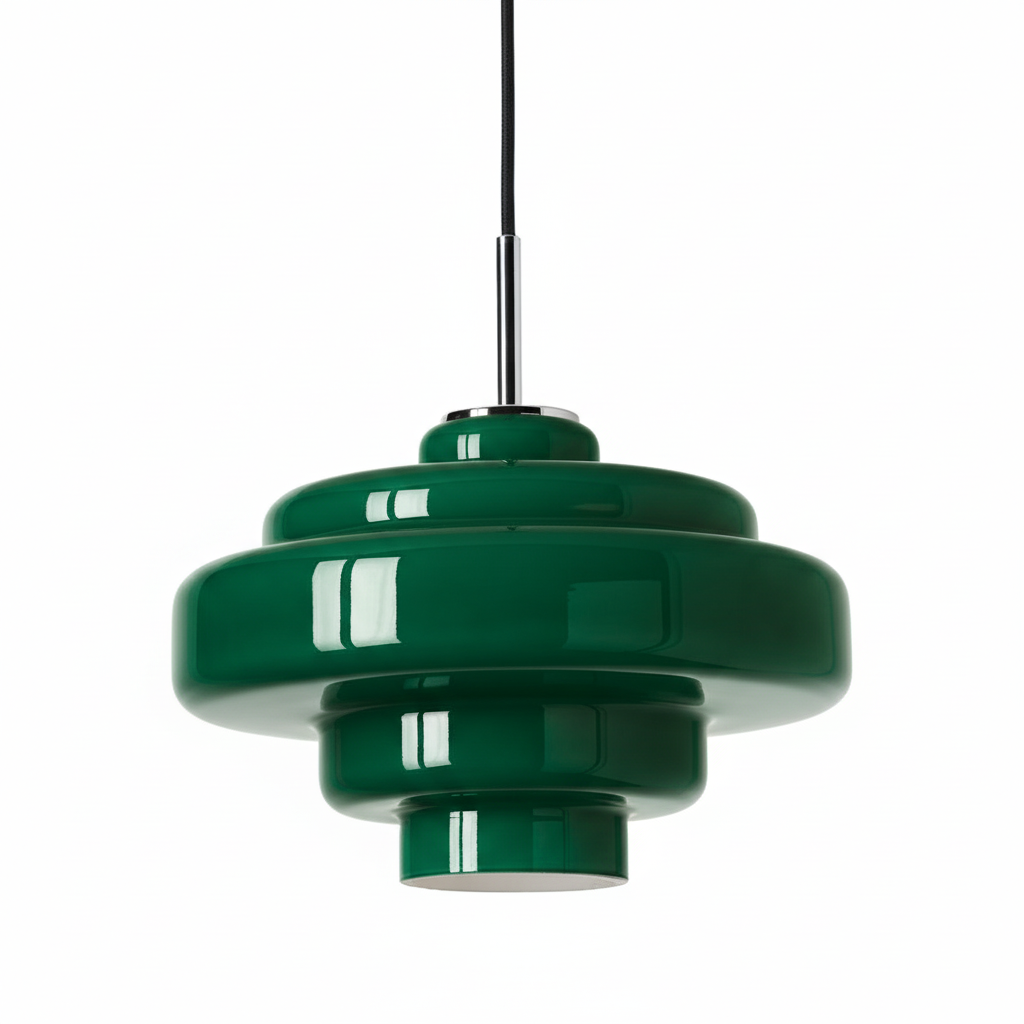
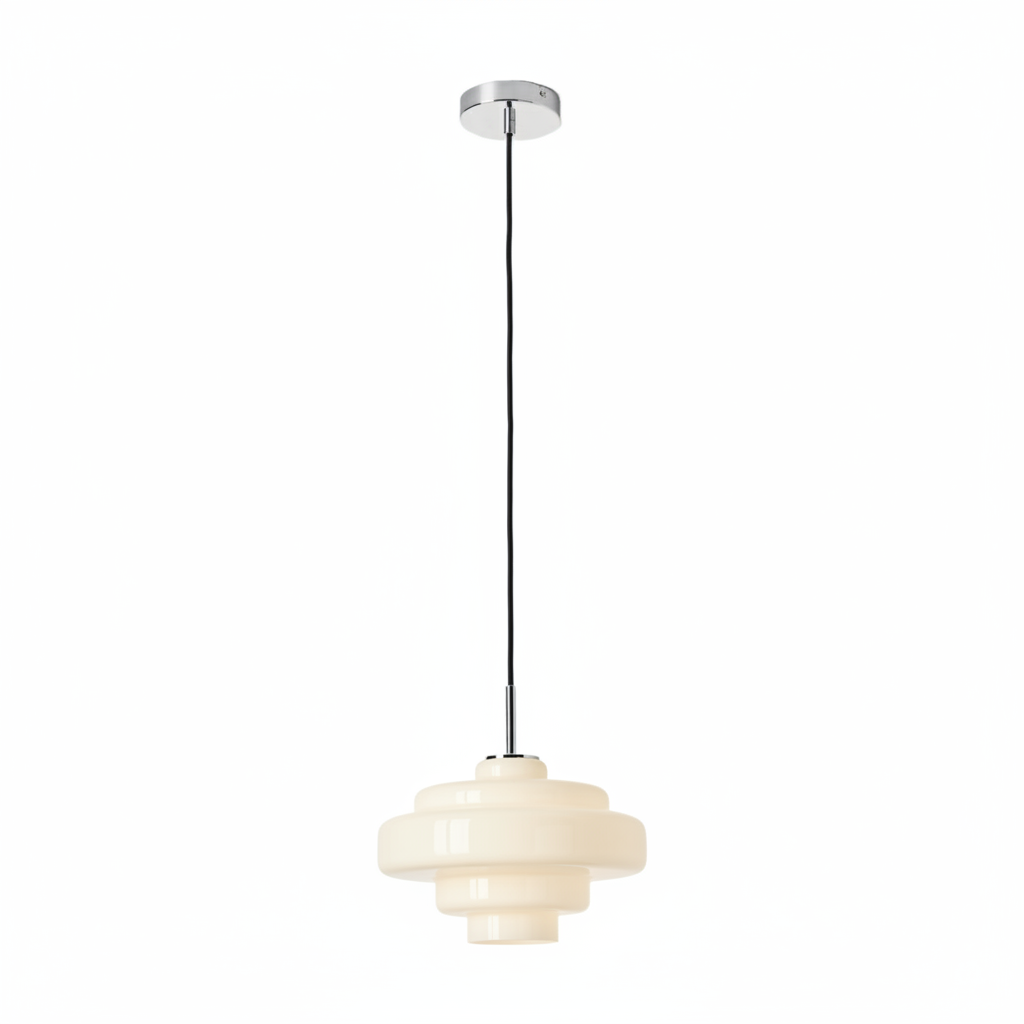
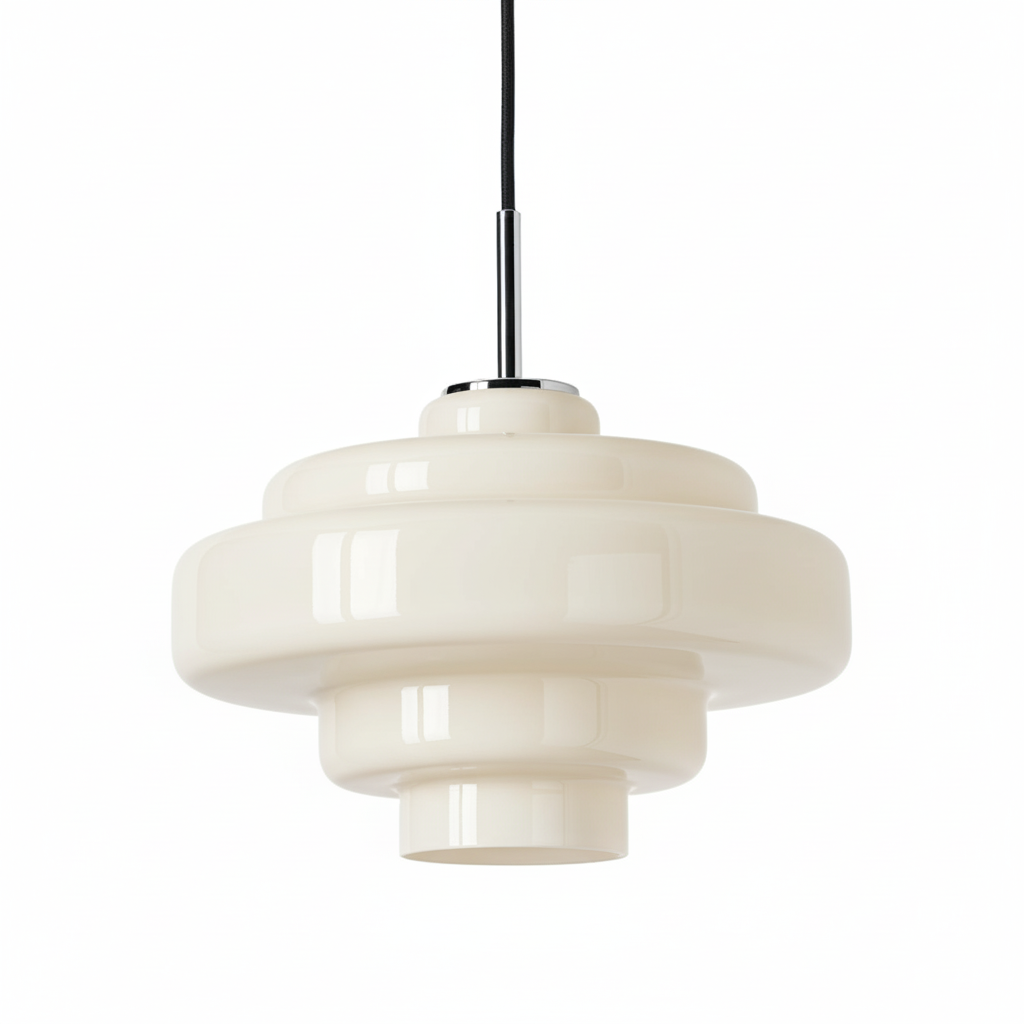
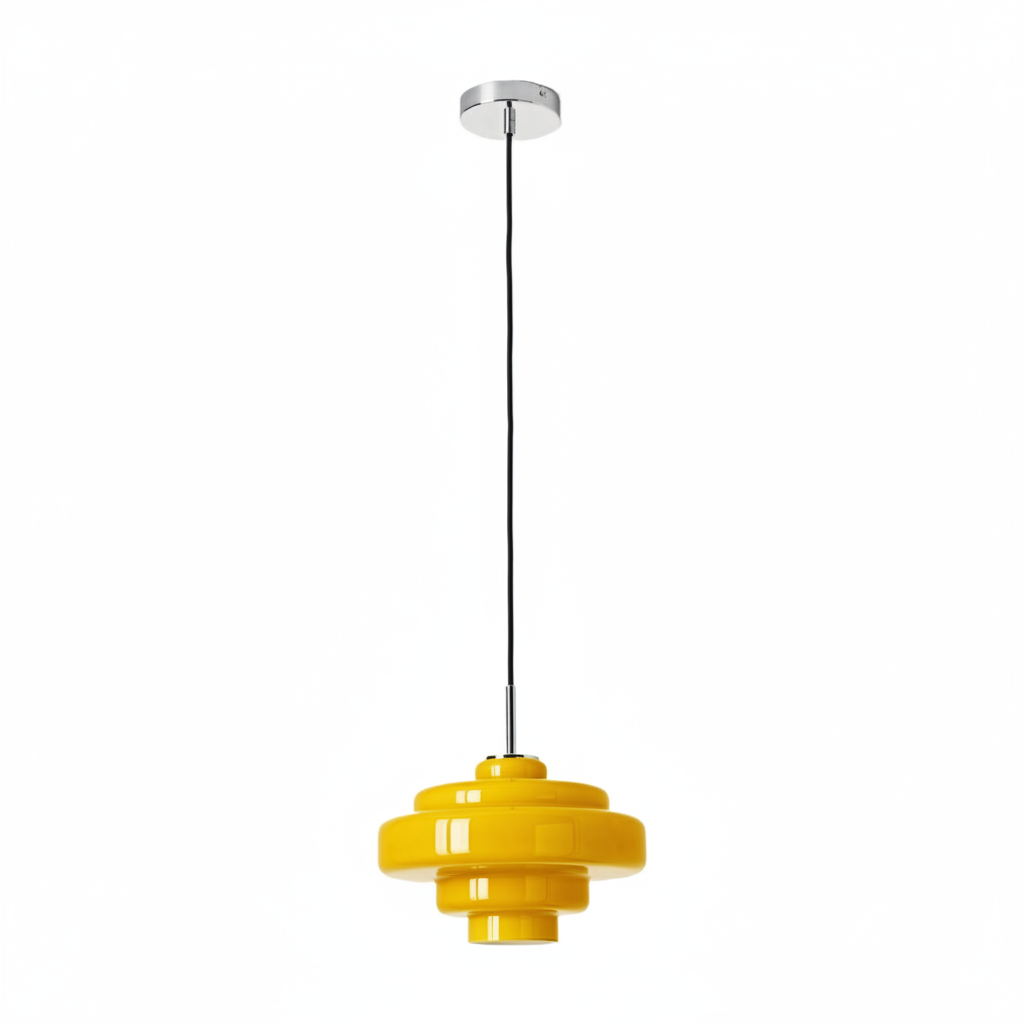
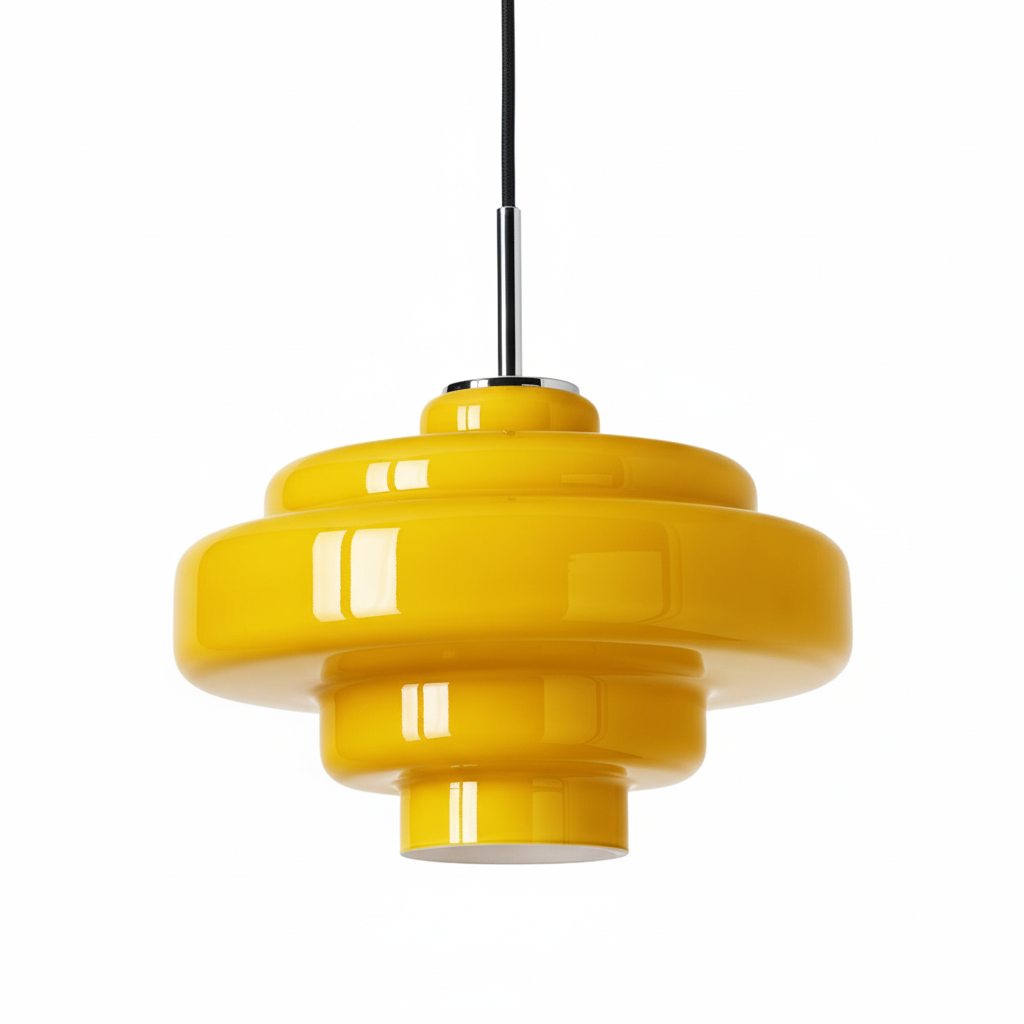
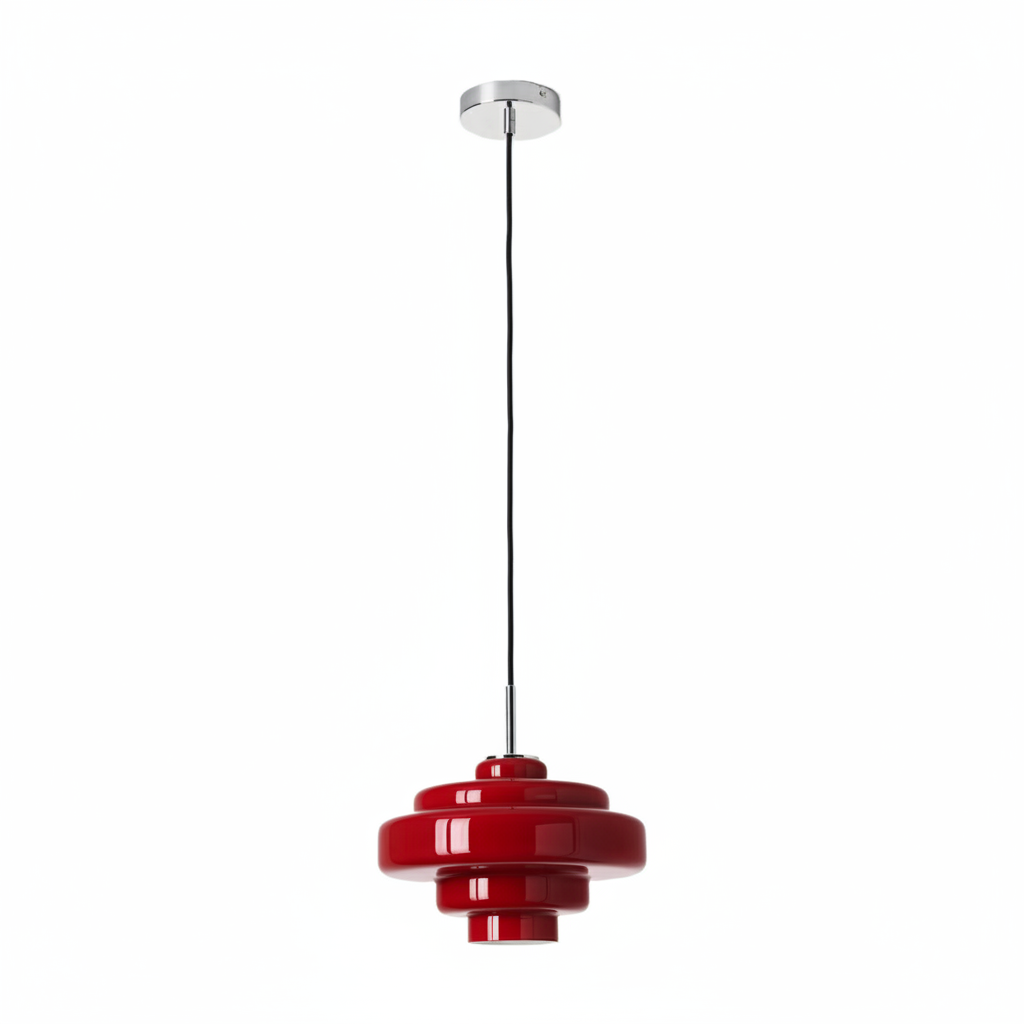
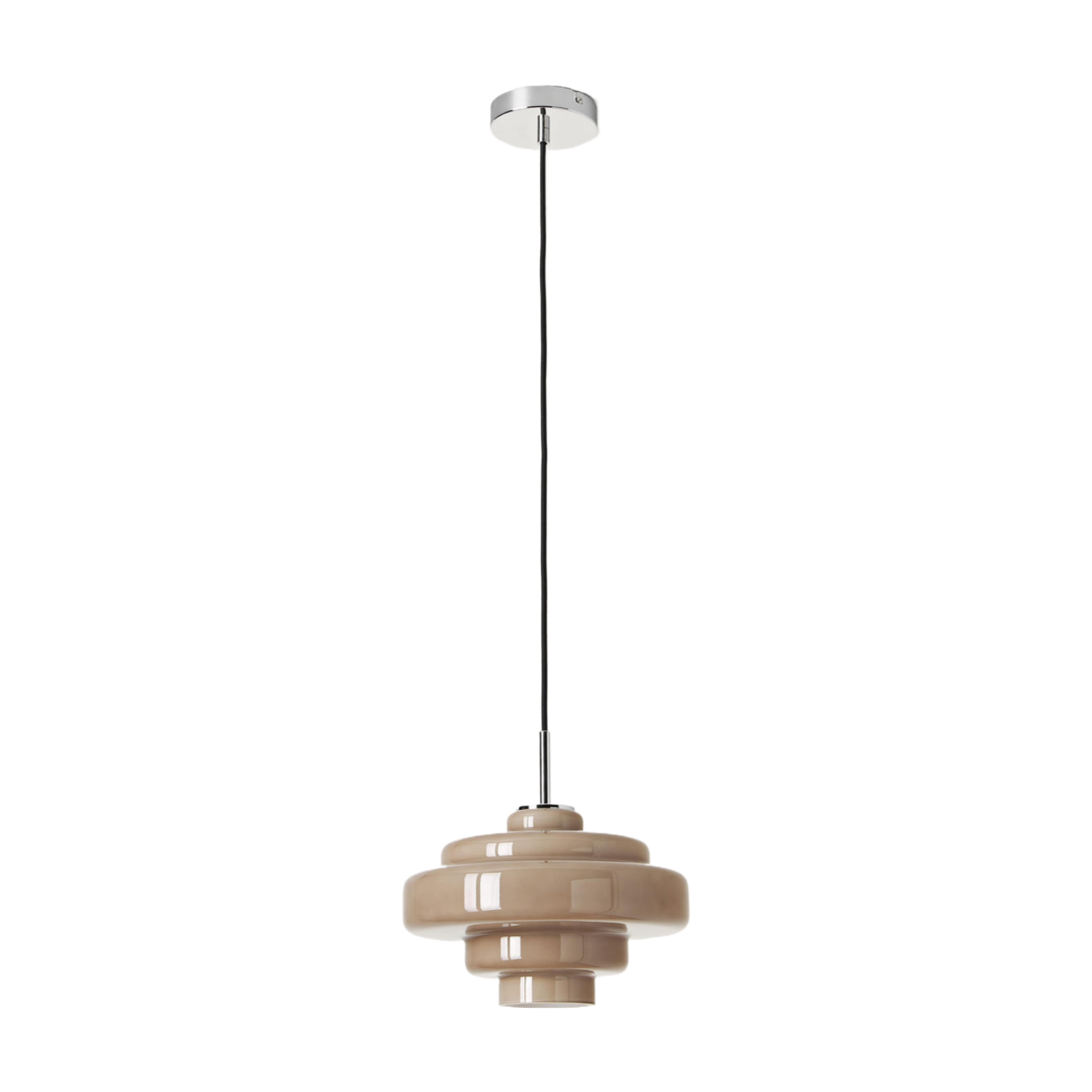
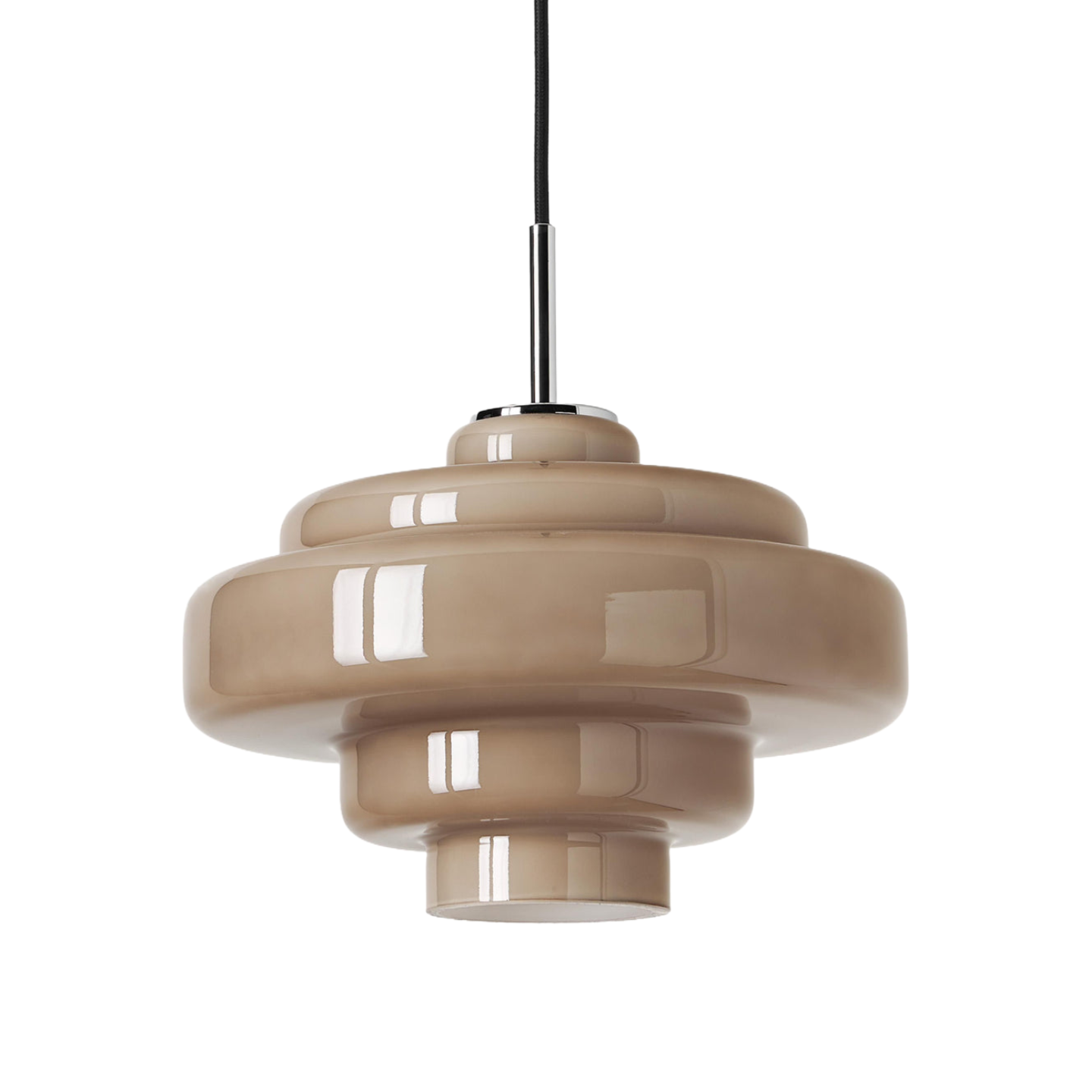
The Koloro Millie suits this test because its glass shade measures 30 cm in diameter and 21 cm high. That is compact enough to test in a modest landing, but the adjustable cord does not guarantee a safe fit. The room and route determine the final drop.
Check the Koloro dimensions before marking the ceiling point
Four Ways to Give the Landing a Reason to Pause
1. Let a Half-Landing Window Do Half the Work
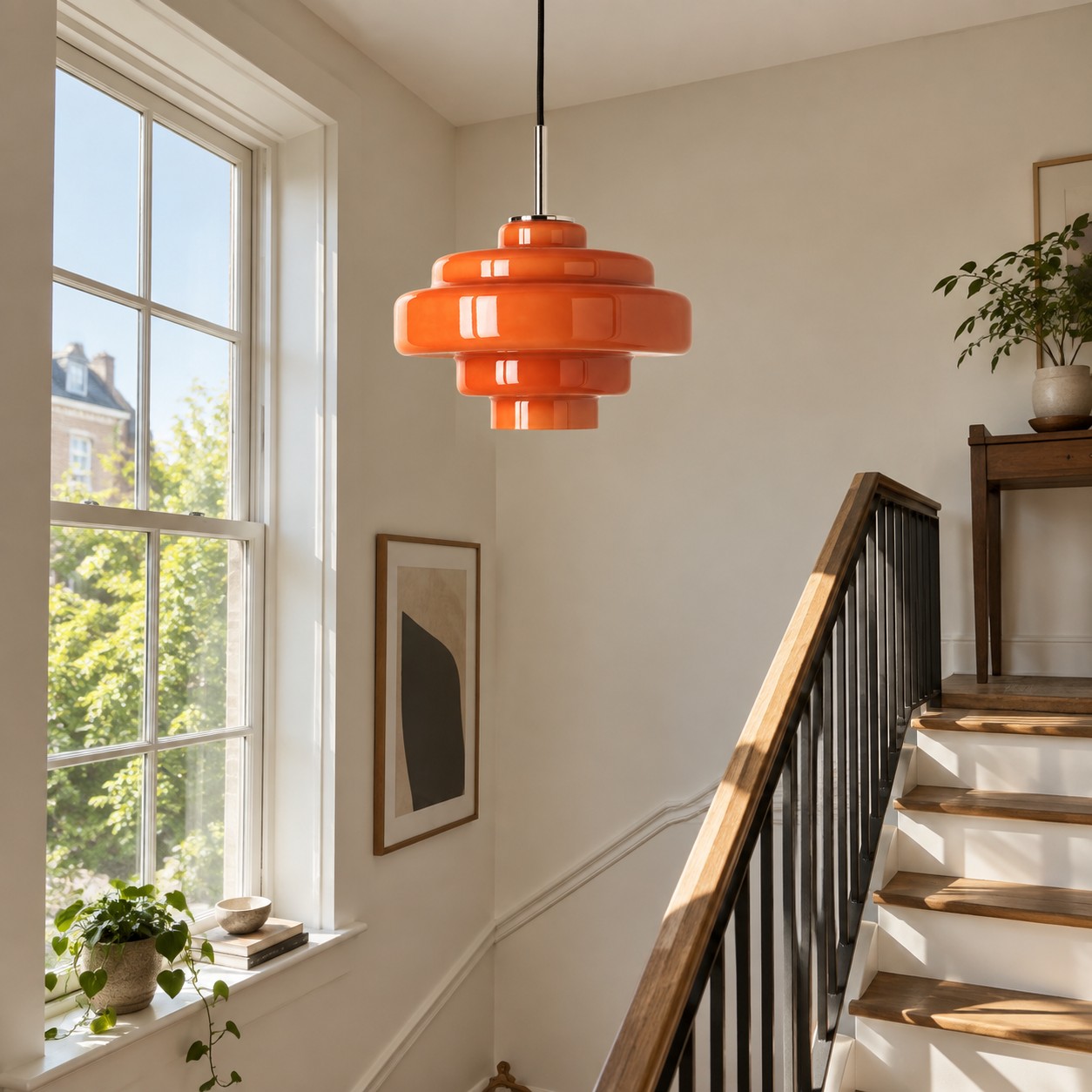
Best for: a turning staircase with daylight but little floor space.
Place the pendant towards the window side, outside the head path. During the day, the orange glass reads as a warm object rather than a bright lamp; after dusk, it becomes a marker between the two flights. Keep the sill simple so the lamp, window and handrail form one clear view.
2. Give a Shallow Console a Ceiling
Best for: a wider landing that already holds keys, books or a small bowl.
Centre the pendant on the console rather than on the whole landing. This gives the fixture a visual address and protects the walking route behind it. A rounded shade is particularly useful where the architecture is all door frames, straight rails and rectangular art.
This is where the same fixture can feel surprisingly different when switched off. A Pendant That Looks Better Switched Off: Is That a Design Problem? explores the daylight test in more detail; on a landing, the short version is to check silhouette, glass colour and reflections before thinking about bulb brightness.
3. Give the End of a Corridor a Destination
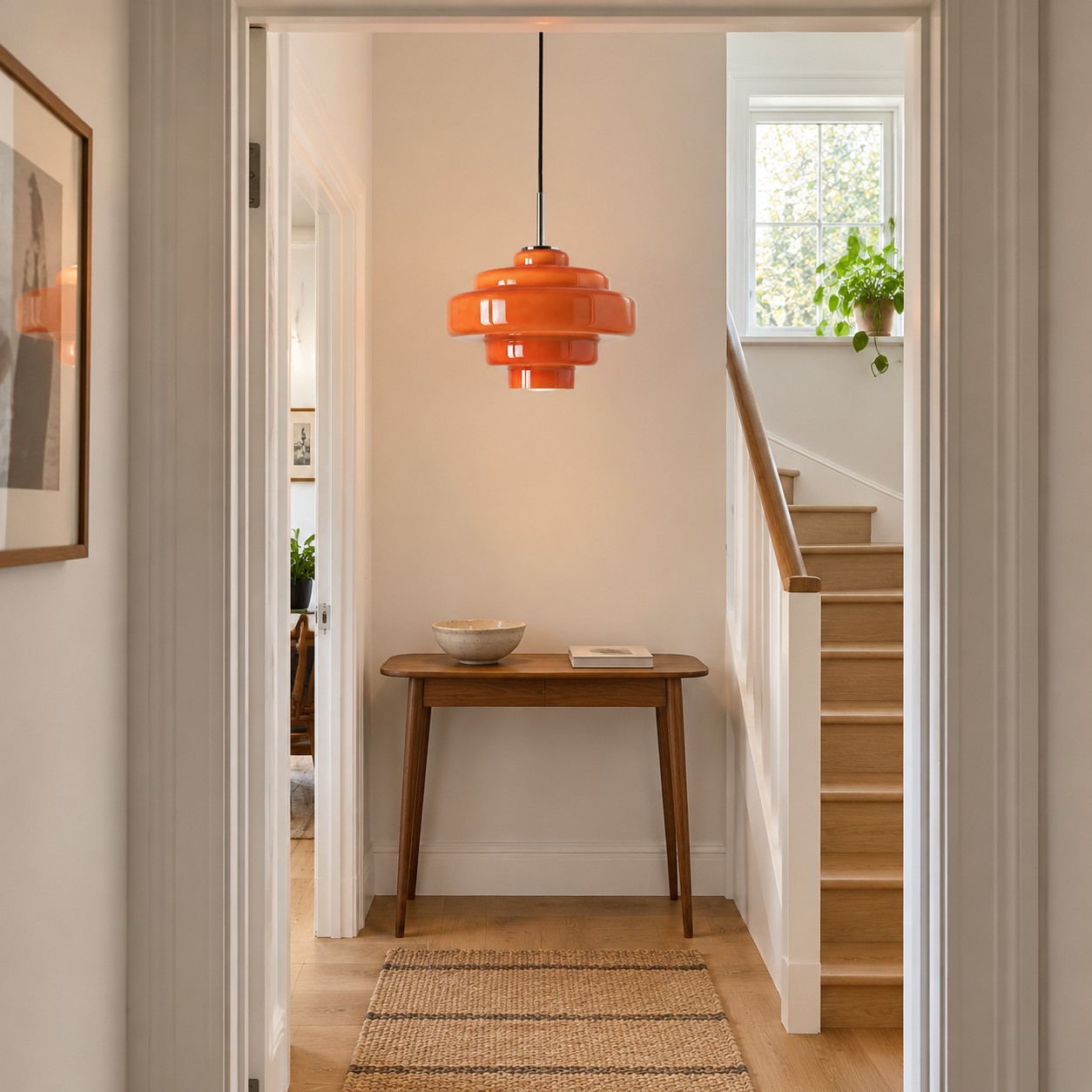
Best for: a long hall that terminates at a stair turn or small platform.
Use the doorway as a frame and hang the pendant where the eye naturally lands. It need not sit directly above the centre of the corridor. In fact, a slight offset towards the platform often feels calmer because the light belongs to the destination rather than the route.
4. Use a Taller Void Without Filling It
Best for: a double-height stairwell where a large chandelier would dominate.
A single 30 cm shade can create a modest point of colour inside a tall volume. Drop it far enough to connect with the landing, but keep the lower edge away from the handrail and views across the void. The effect should be a comma, not an exclamation mark.
Let the Pendant Warm the View, Not Carry the Stairs
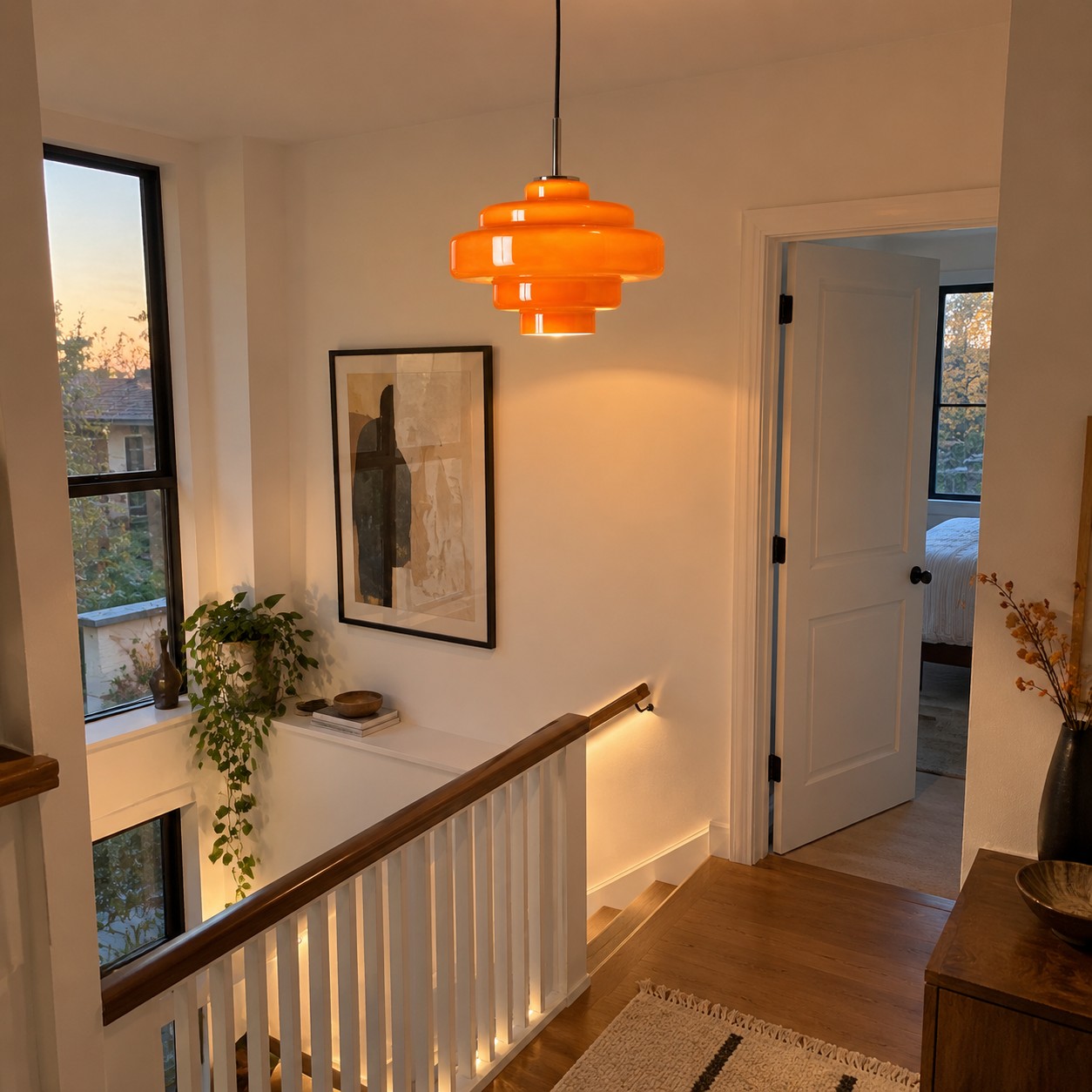
Stair lighting has a practical job that decorative glass cannot perform alone. Homes & Gardens emphasises visibility, glare control and the need to support safe passage while using light to reveal the staircase as an architectural feature. That distinction matters here: the pendant provides atmosphere; discreet light on treads, walls or the underside of the stair provides clarity.
In a dark landing, illuminate at least one vertical surface. A softly lit wall makes the space feel wider and prevents the orange pendant from floating like a bright bead in a black tunnel. If artwork is present, aim the supporting light so the picture and the stair remain legible without competing with the shade.
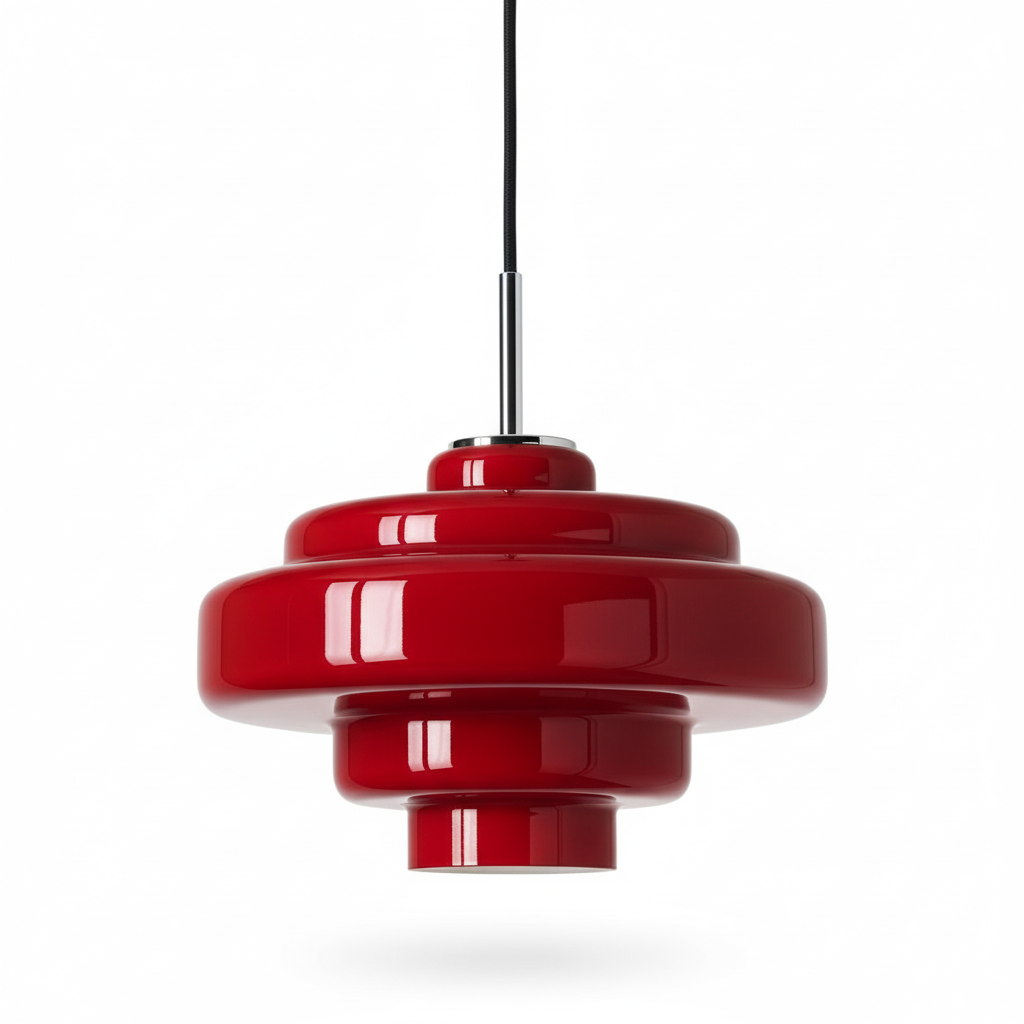
Compare the orange glass and chrome details in the Koloro pendant
Borrow the View; Do Not Block It
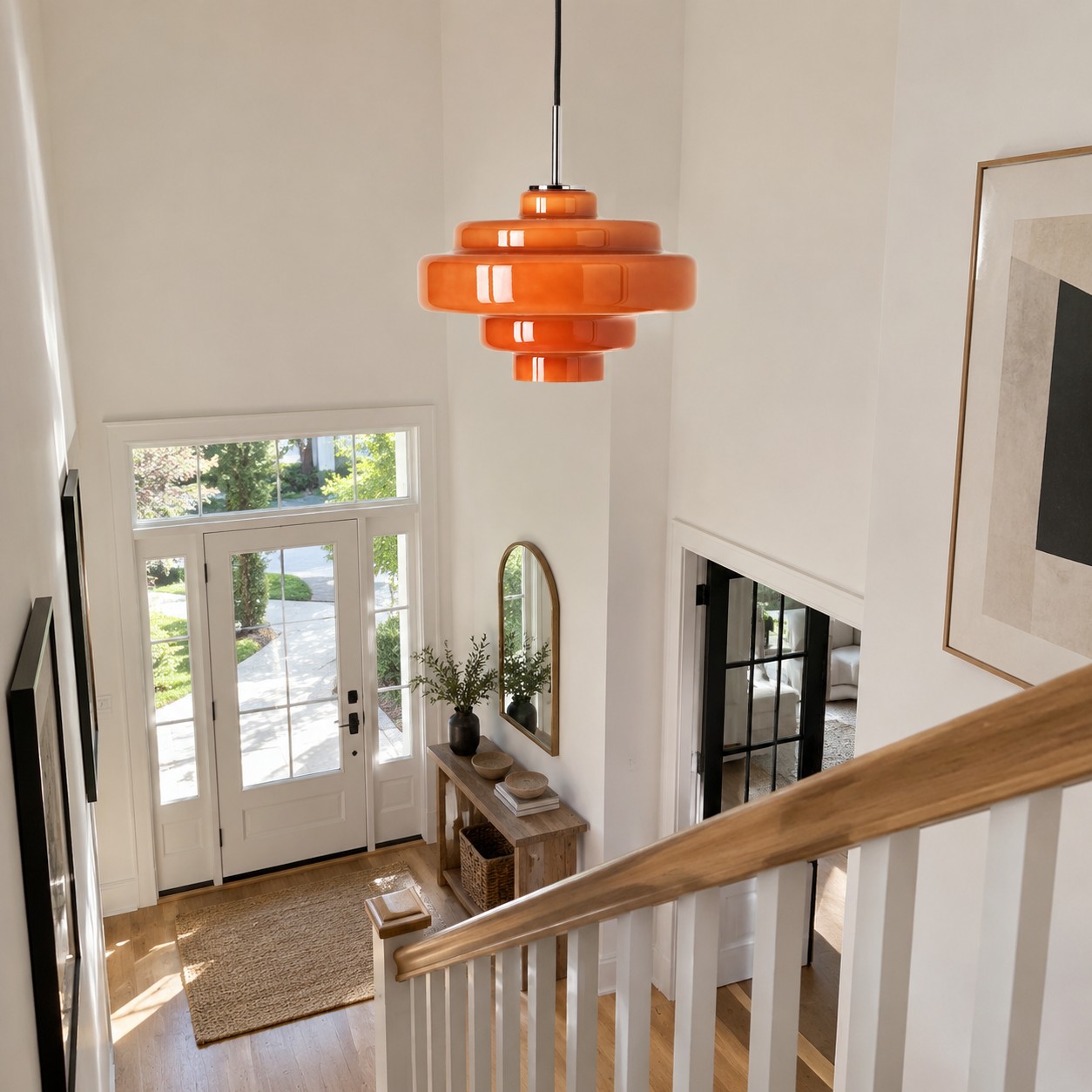
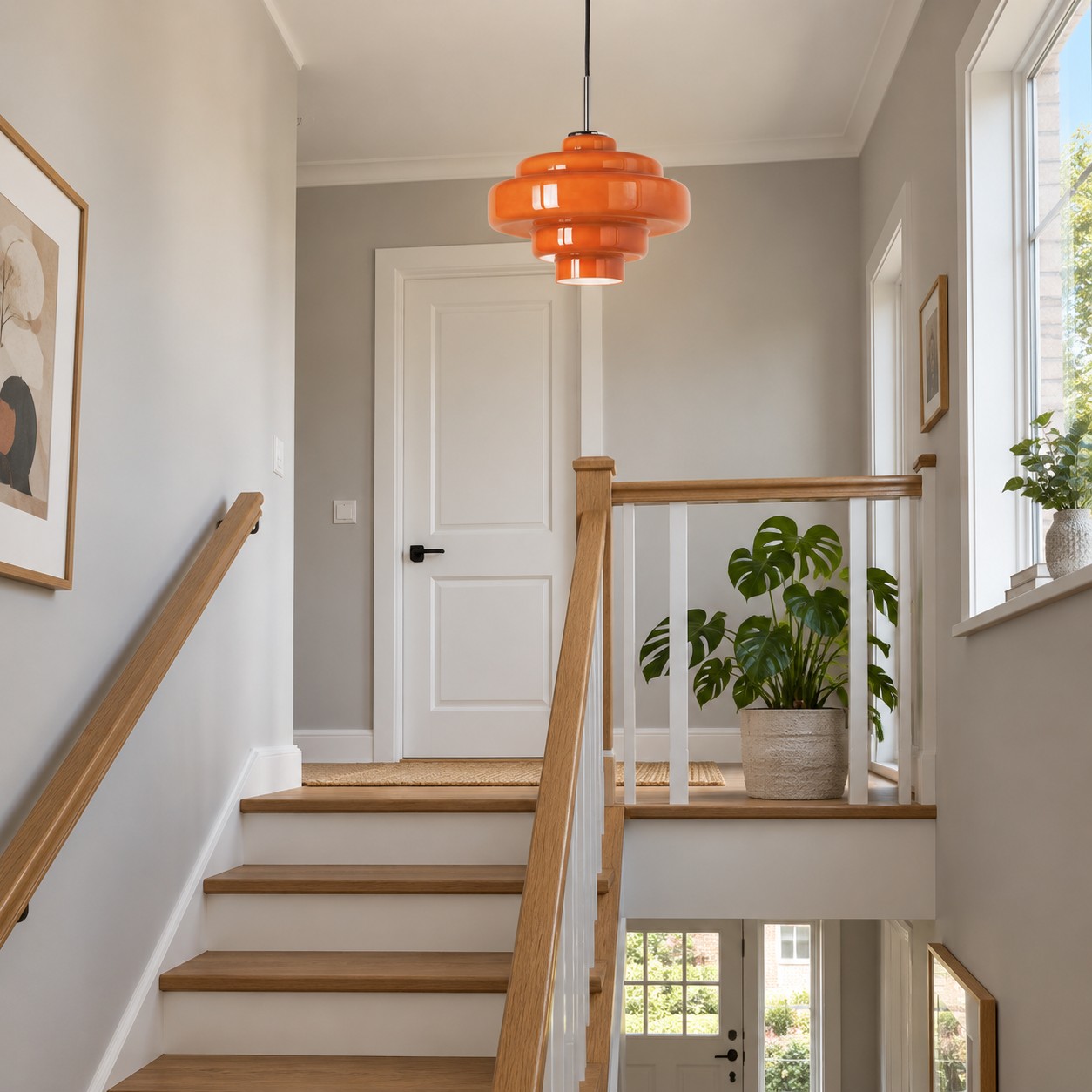
Look at the landing from below, from above and from the nearest doorway. A good position lets the shade appear in all three views without cutting across a painting, window or face-to-face sightline. The landing is successful when the fixture seems to belong to the architecture rather than hanging in front of it.
Livingetc's hallway lighting guidance notes that ceiling height, architecture and nearby doors should determine fixture type. It also suggests curved forms as a counterpoint to a long linear corridor and glass where reflected light can add dimension. Those ideas suit the Millie's rounded layers, provided the landing has enough height.
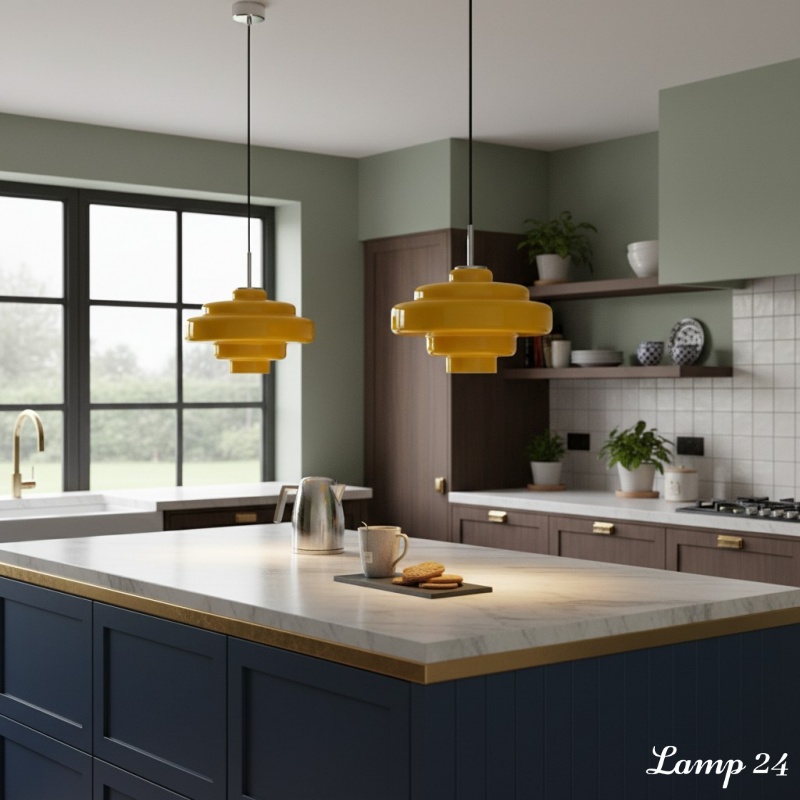
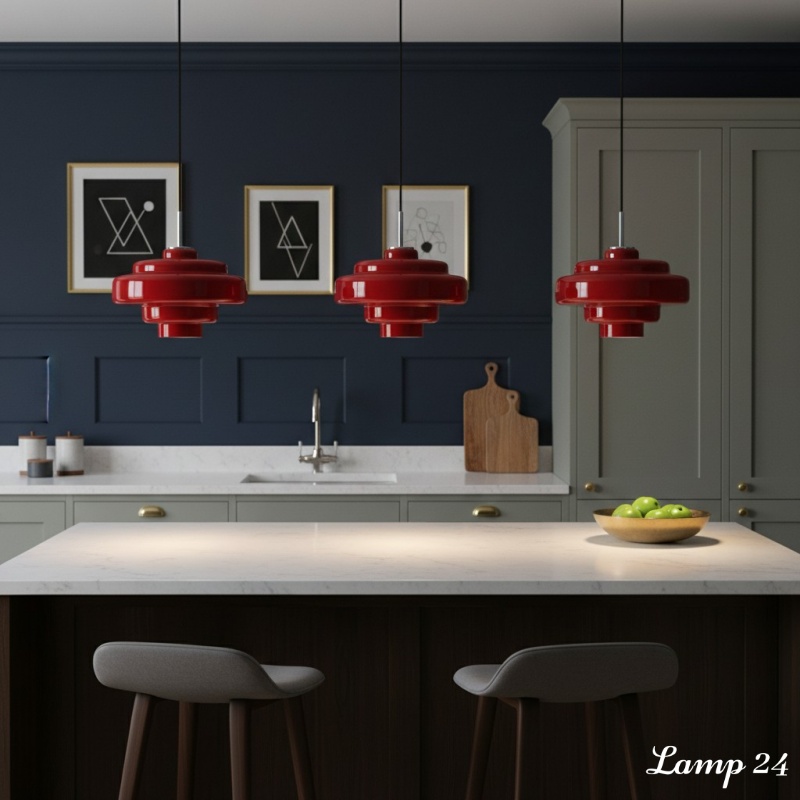
The kitchen version of this visual pause is more playful but follows the same rule: put the lamp over the moment where people stop, not simply where the ceiling is empty. I Hung a Mille-Feuille Above the Counter. Suddenly Everyone Wanted a Snack moves that thought to a breakfast counter.
Where the Orange Koloro Fits - and Where It Does Not
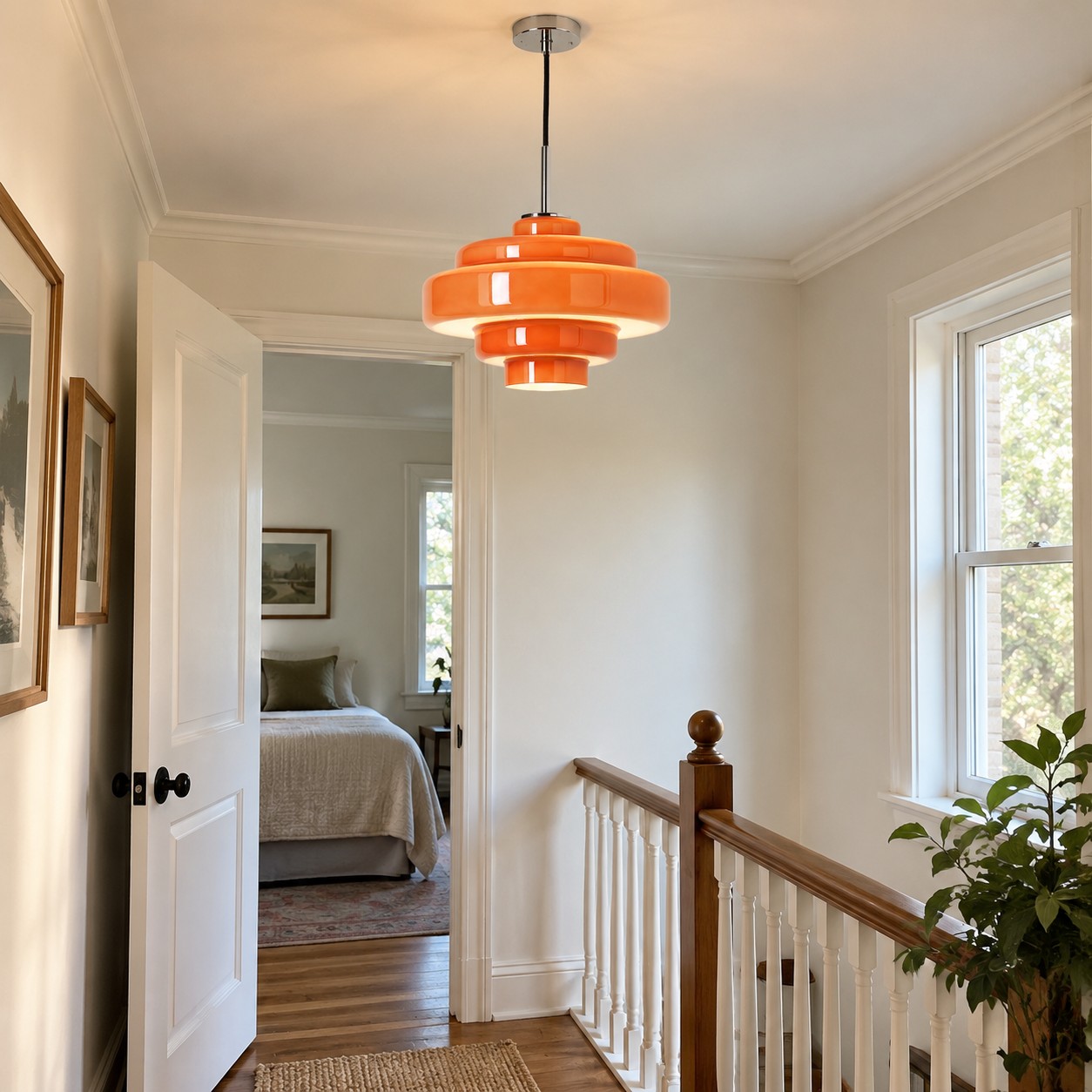
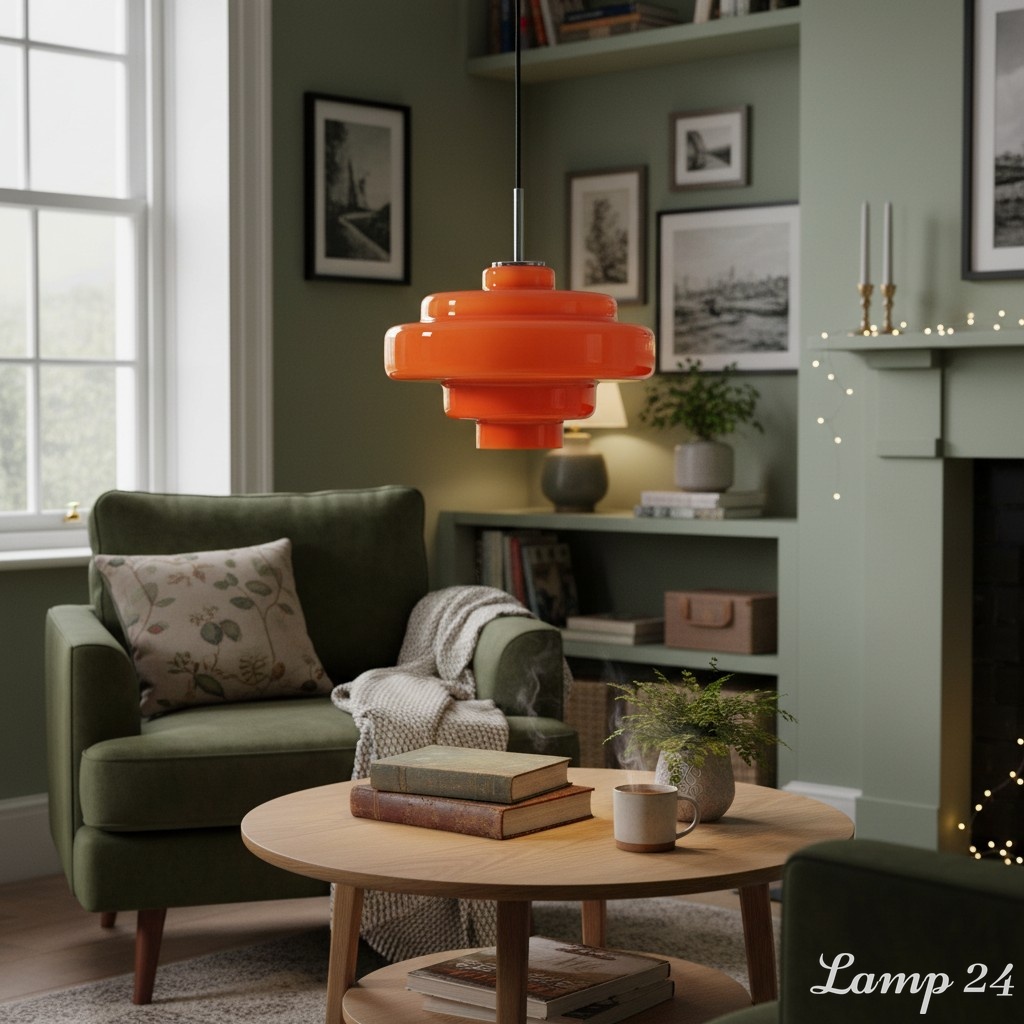
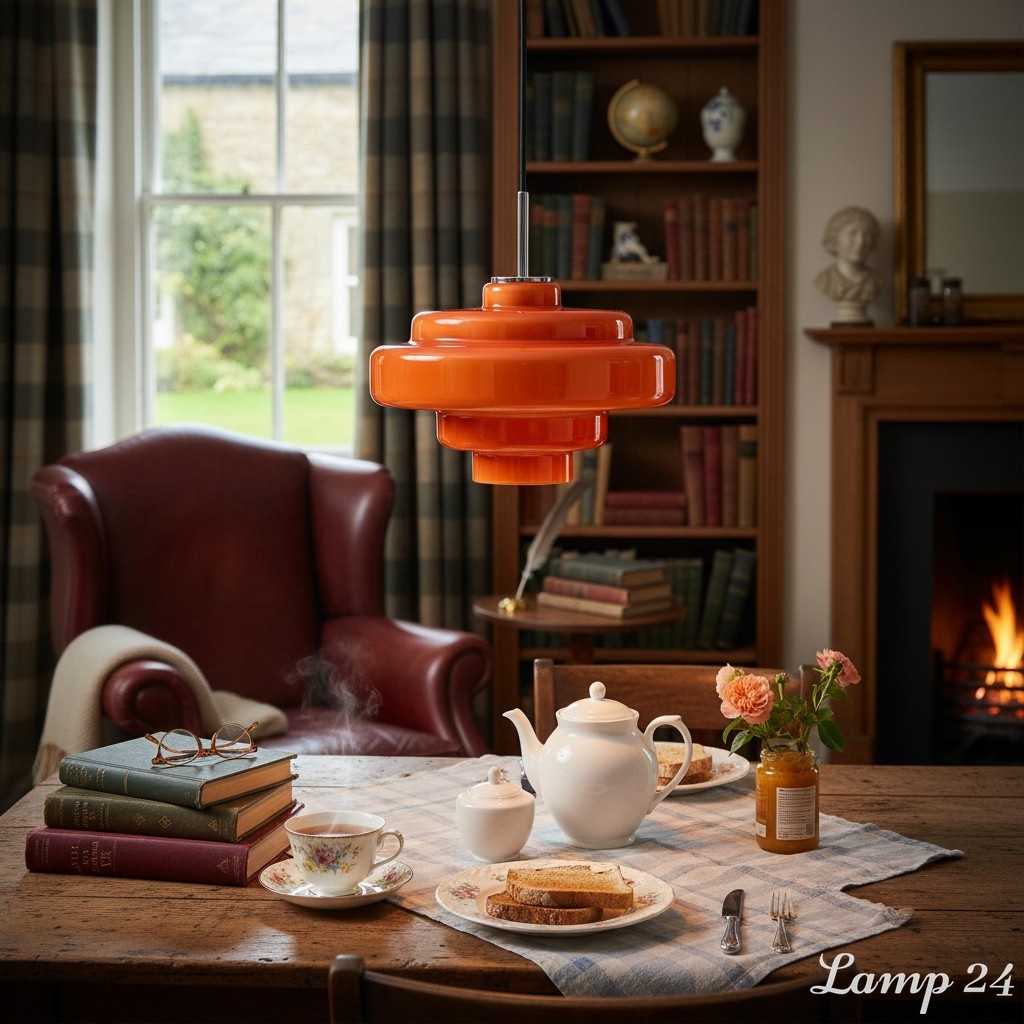
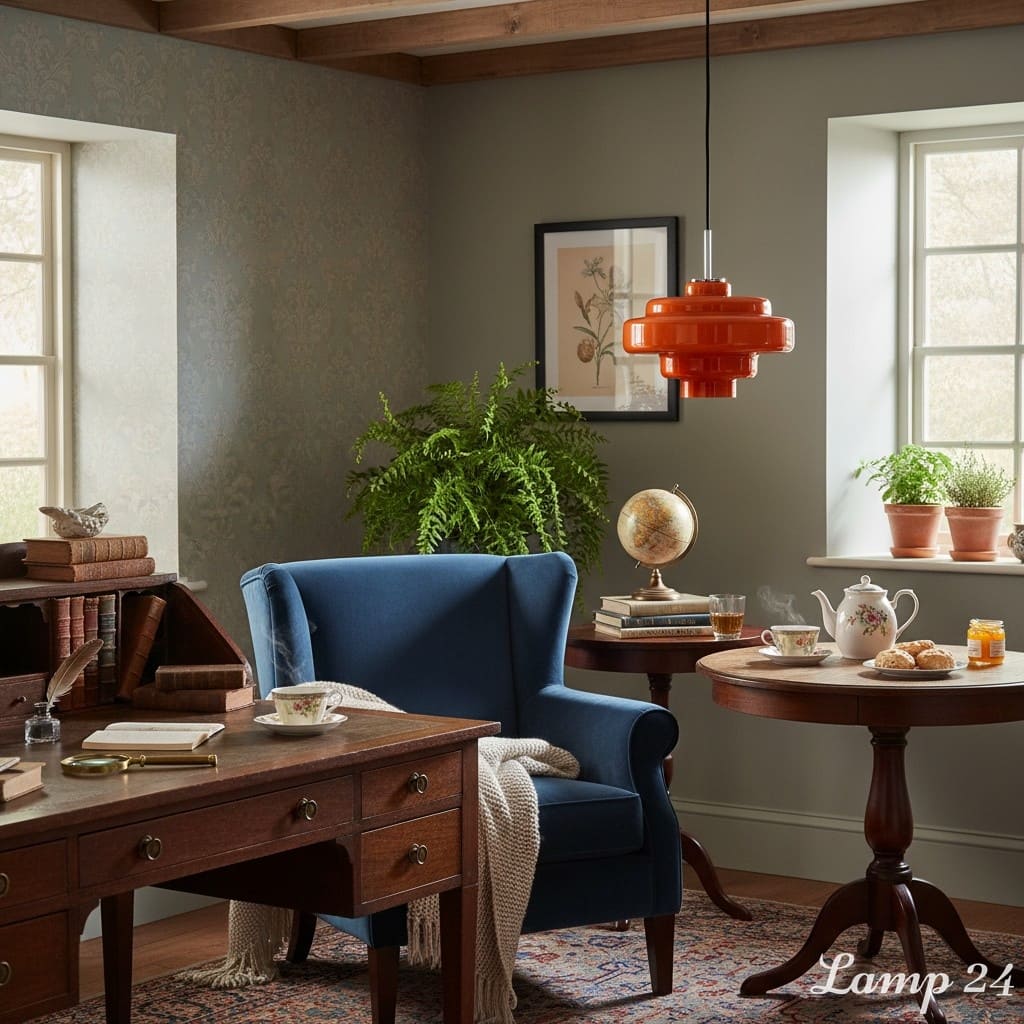
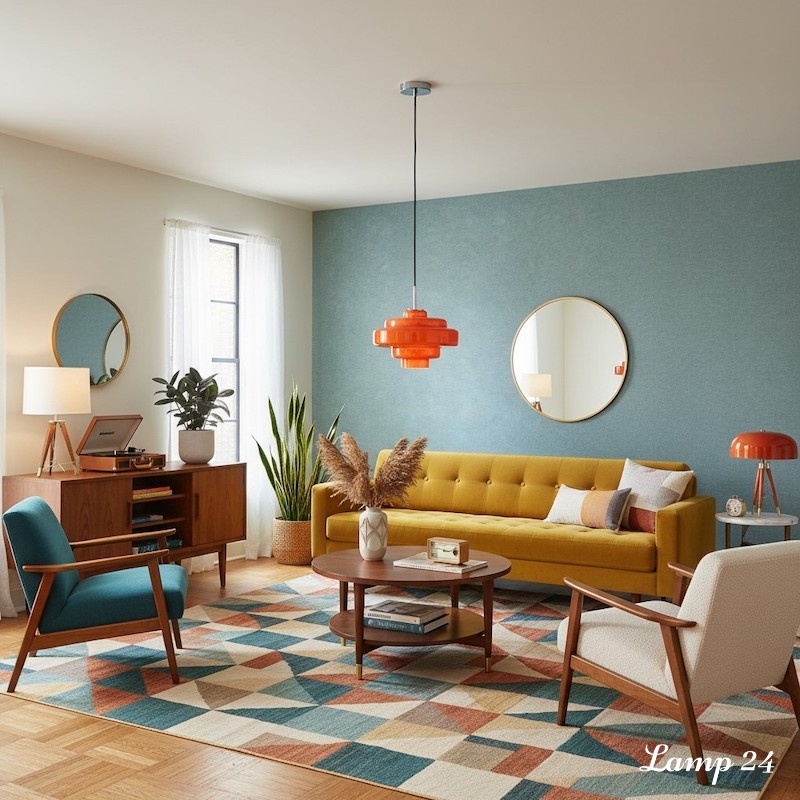
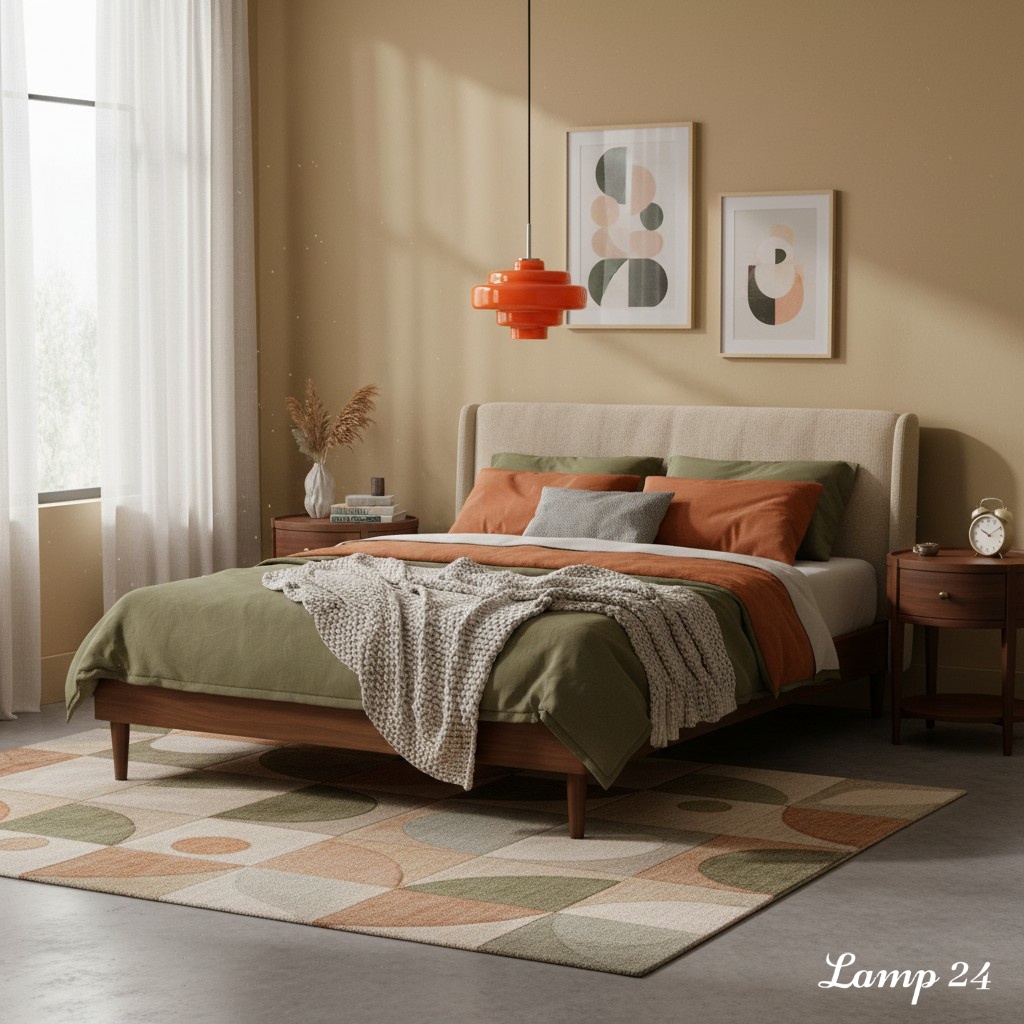
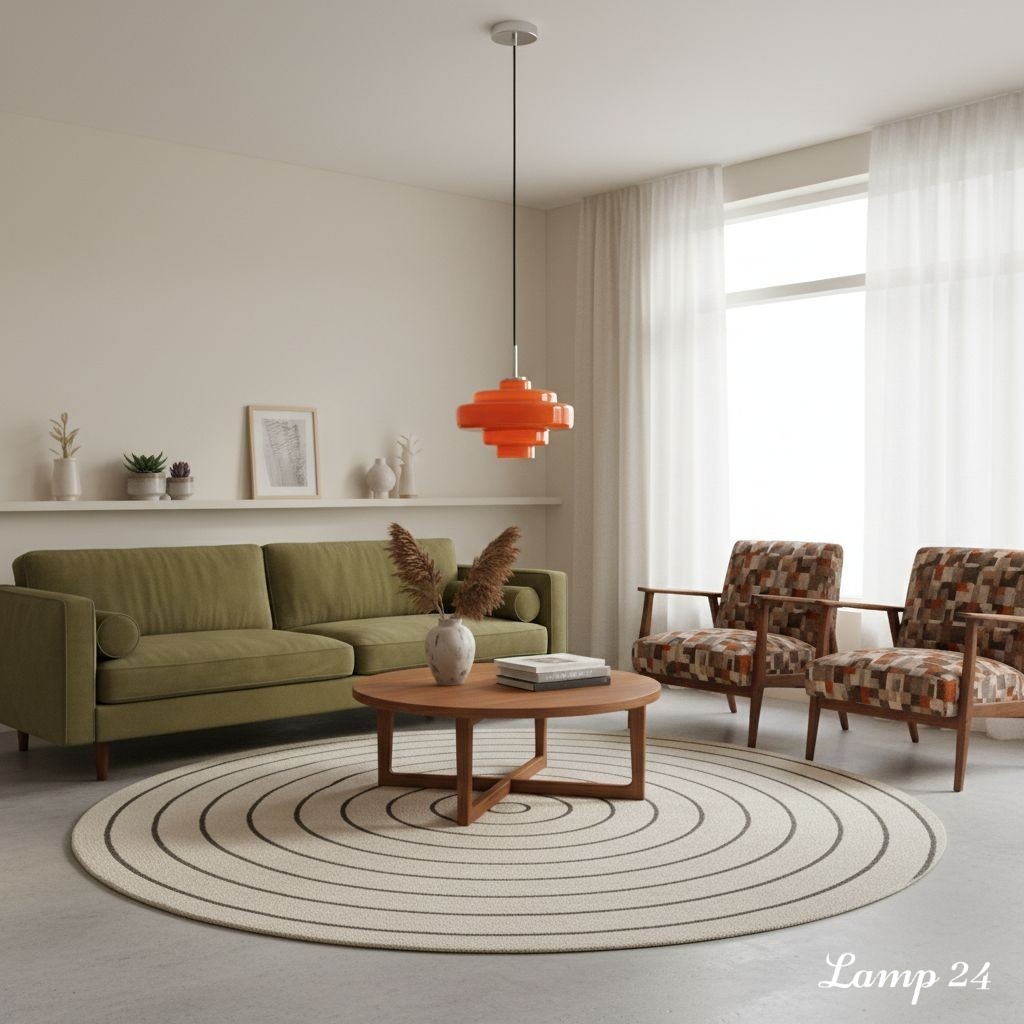
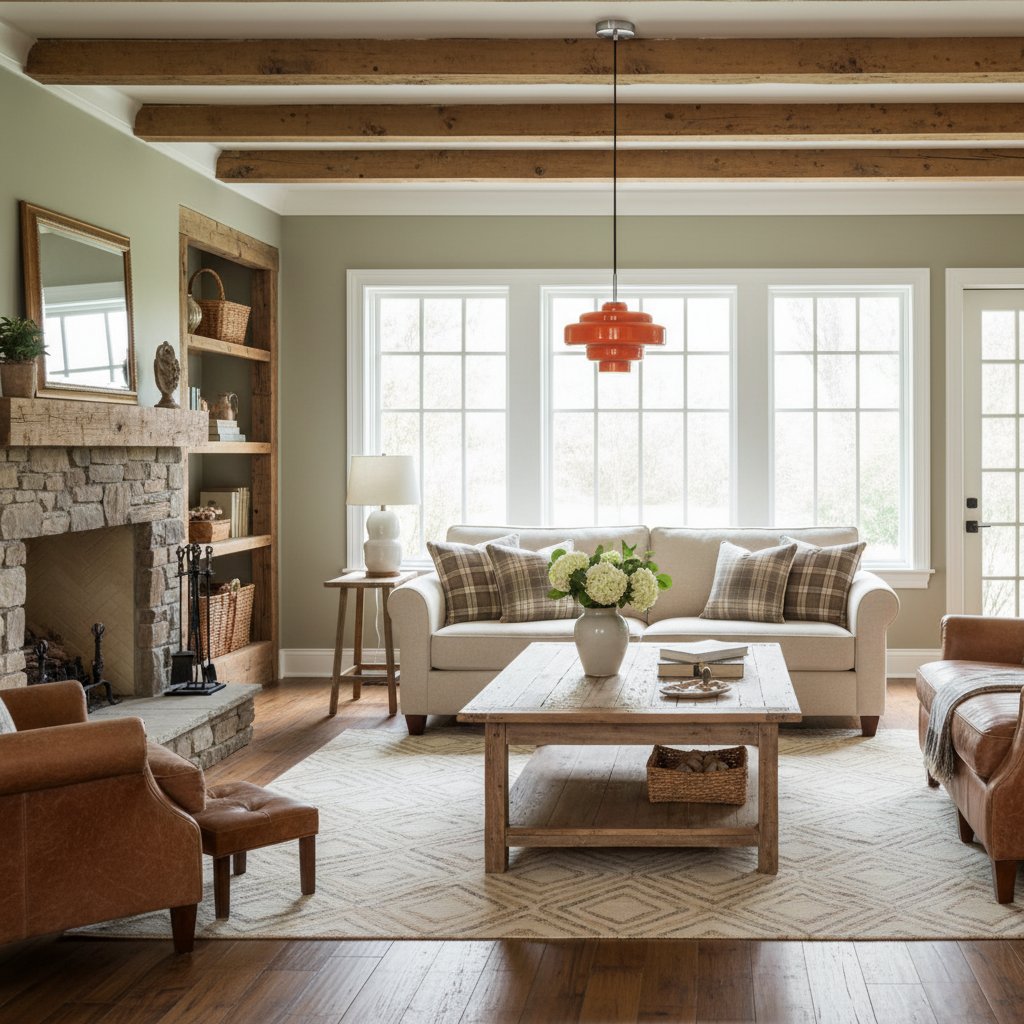
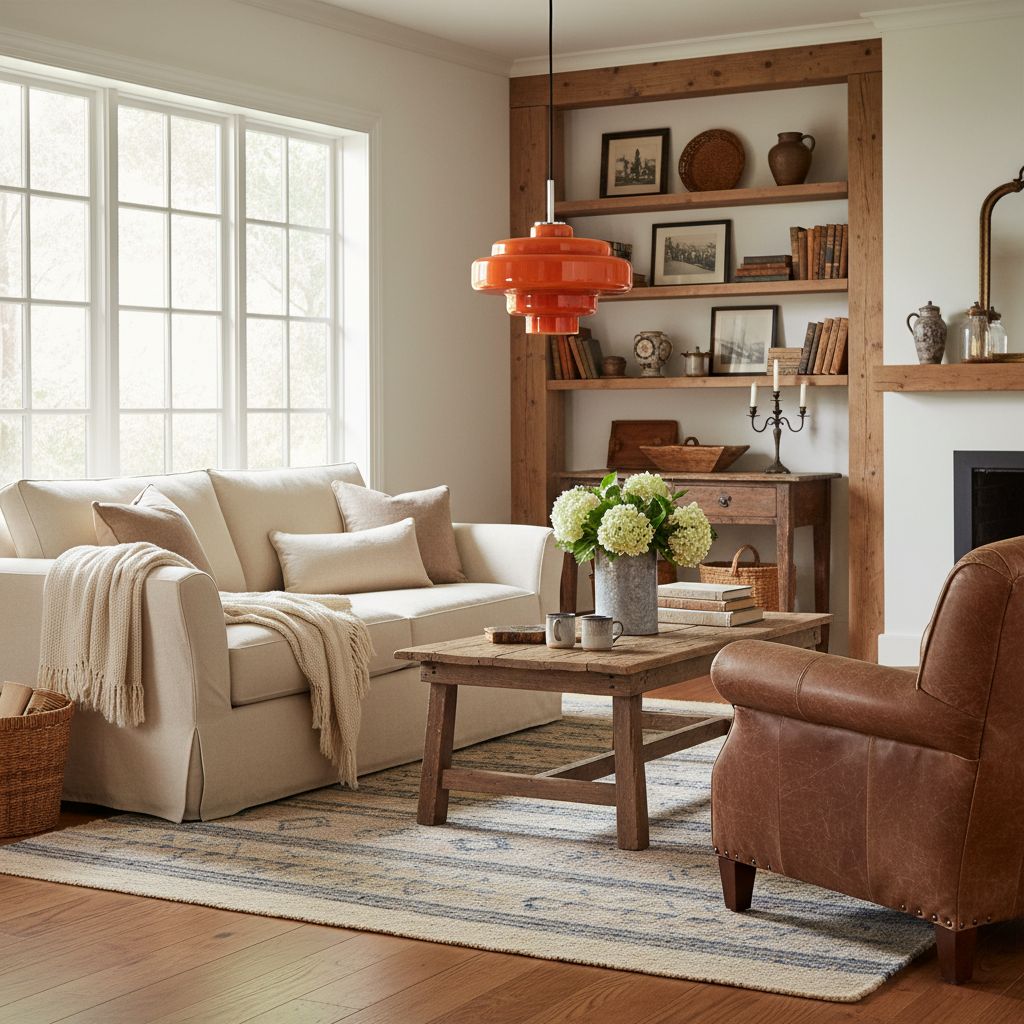
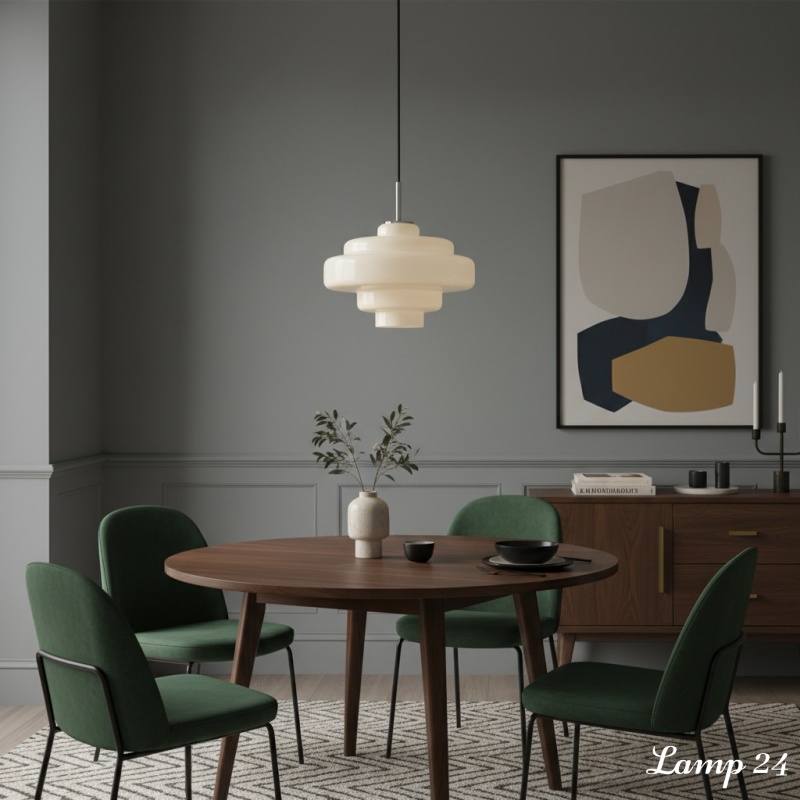
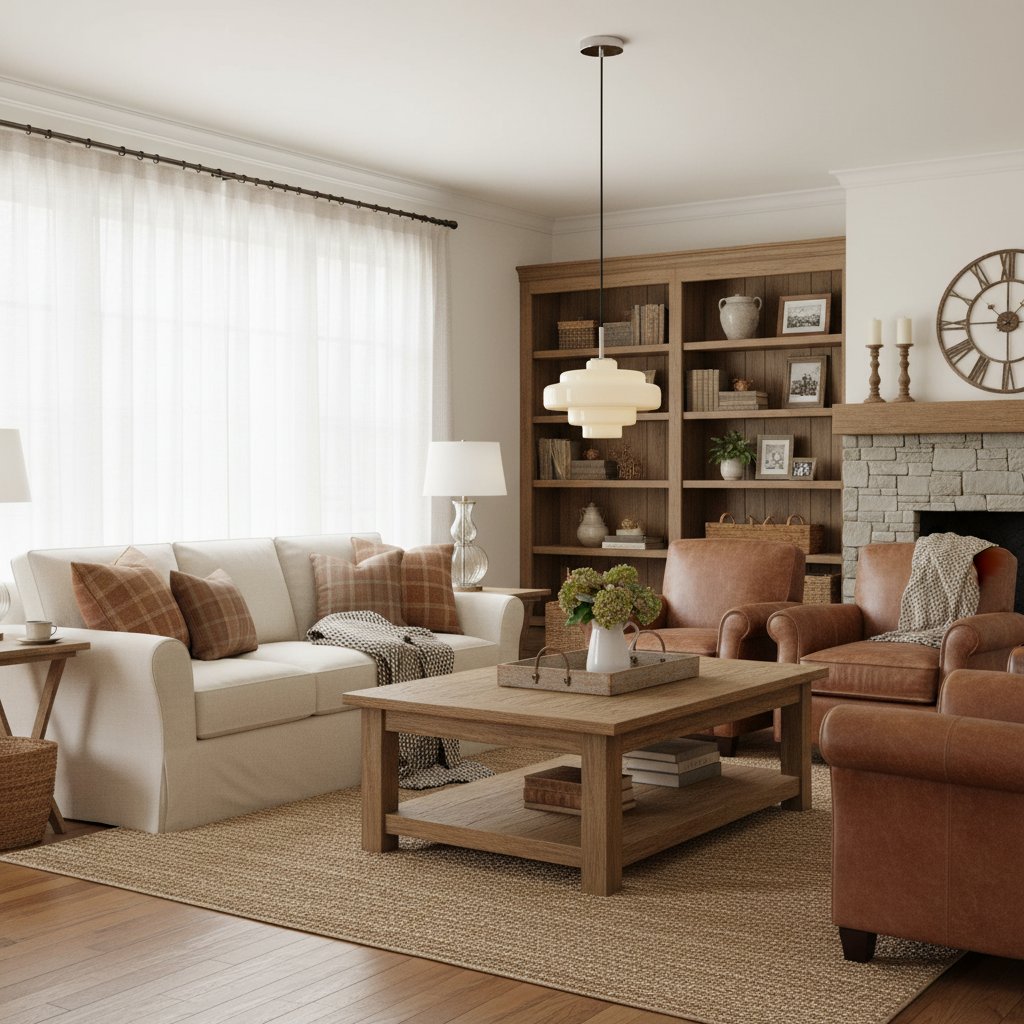
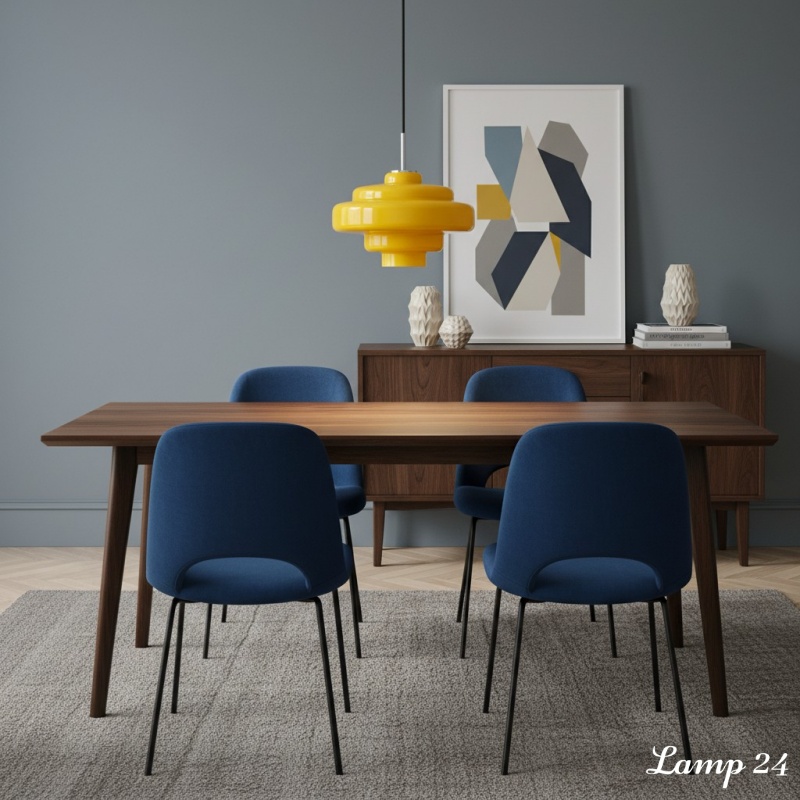
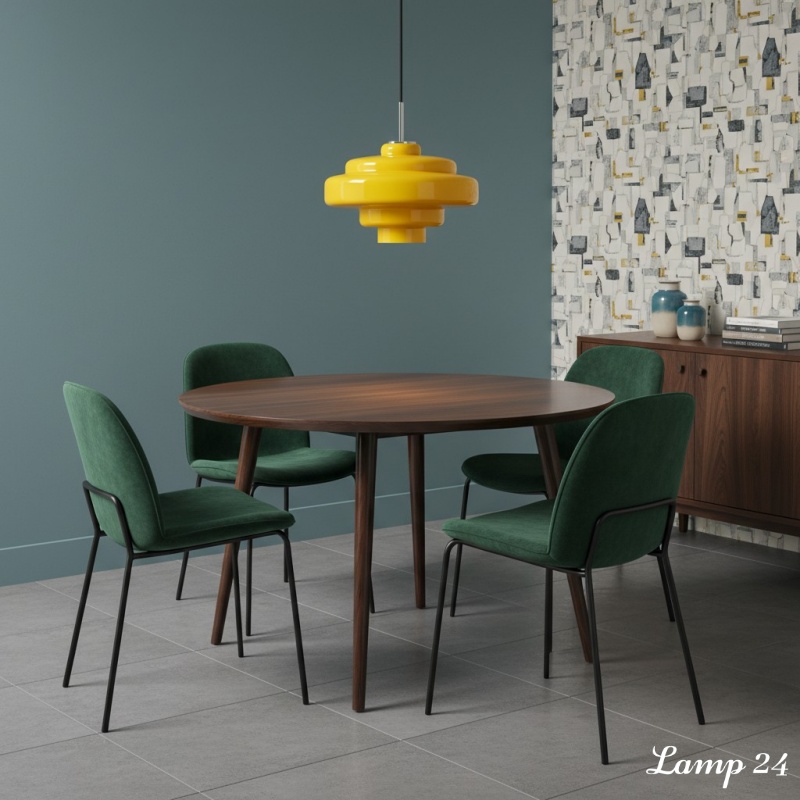
The Koloro Millie is most convincing on a landing with clear headroom, a visible approach and enough ambient or stair lighting elsewhere. Its orange glass works well against chalky white, soft grey, oak, walnut and restrained stone. Chrome details can answer a handrail bracket, door handle or slim picture frame without forcing every metal finish to match.
Skip it where the ceiling is low, a door opens beneath the fitting, the only cable point sits over a tread, or the staircase depends on one ceiling light for visibility. A semi-flush fixture, wall light or concealed stair light will be more comfortable. The product is hardwired, so the electrical point and final height should be confirmed before purchase.
Review the Koloro installation details and selected 30 cm orange finish
Five Mistakes That Turn a Pause into an Obstacle
- Centred on the ceiling, not the route: reposition towards the quiet edge of the landing.
- Asked to light every tread: add a separate low-glare layer for the stairs.
- Dropped for drama: test clearance from both directions before installation.
- Matched to every orange accessory: let the glass be the only obvious colour note.
- Chosen from one photograph: check the shade from below, above and the adjoining room.
Questions That Usually Come Up Before Installation
Can a pendant work on a small landing?
Yes, if it sits outside the walking line and clears doors, rails and sightlines.
Can the pendant be the only stair light?
No. Use separate lighting to make treads and changes of level easy to see.
Is a glass shade suitable for a dark hallway?
Yes, but illuminate a wall or the stairs as well so the space does not feel tunnel-like.
How should the final hanging height be chosen?
Test a full-size mock-up, then set the drop around the actual route and architecture.
What if the ceiling is too low?
Choose a flush or semi-flush fitting and keep the coloured-glass idea for another room.